
Introduction
Many business owners view pest control as a reactive service—something you call only after seeing rodents, cockroaches, ants, or other pests.
Unfortunately, by the time pests become visible, the damage may already be underway.
What many businesses discover is that regular commercial pest inspections are not simply about finding pests. They’re about identifying risks before they become expensive problems.
In Long Beach, Seal Beach, Huntington Beach, Torrance or Newport Beach? Dr. Pest works these cities every week. Call (562) 488-7455 for a free inspection and a written quote before any work starts, or see the city we cover nearest you.
A proactive inspection program can help prevent property damage, inventory loss, customer complaints, health concerns, and costly emergency treatments.
Whether you manage a restaurant, warehouse, office building, retail center, apartment community, medical facility, or industrial property, routine pest inspections can provide significant long-term value.
In this guide, we’ll explore how regular commercial pest inspections help businesses save money and reduce risk.
Why Waiting for a Pest Problem Can Be Expensive
Many infestations develop quietly.
Rodents may be living inside wall cavities.
Cockroaches may be hiding behind equipment.
Ant colonies may be growing beneath landscaping.
By the time visible activity appears, pests may have already:
- Damaged property
- Contaminated products
- Created health concerns
- Expanded throughout the facility
The cost of addressing a major infestation is often far greater than the cost of identifying and correcting a problem early.
What Is a Commercial Pest Inspection?
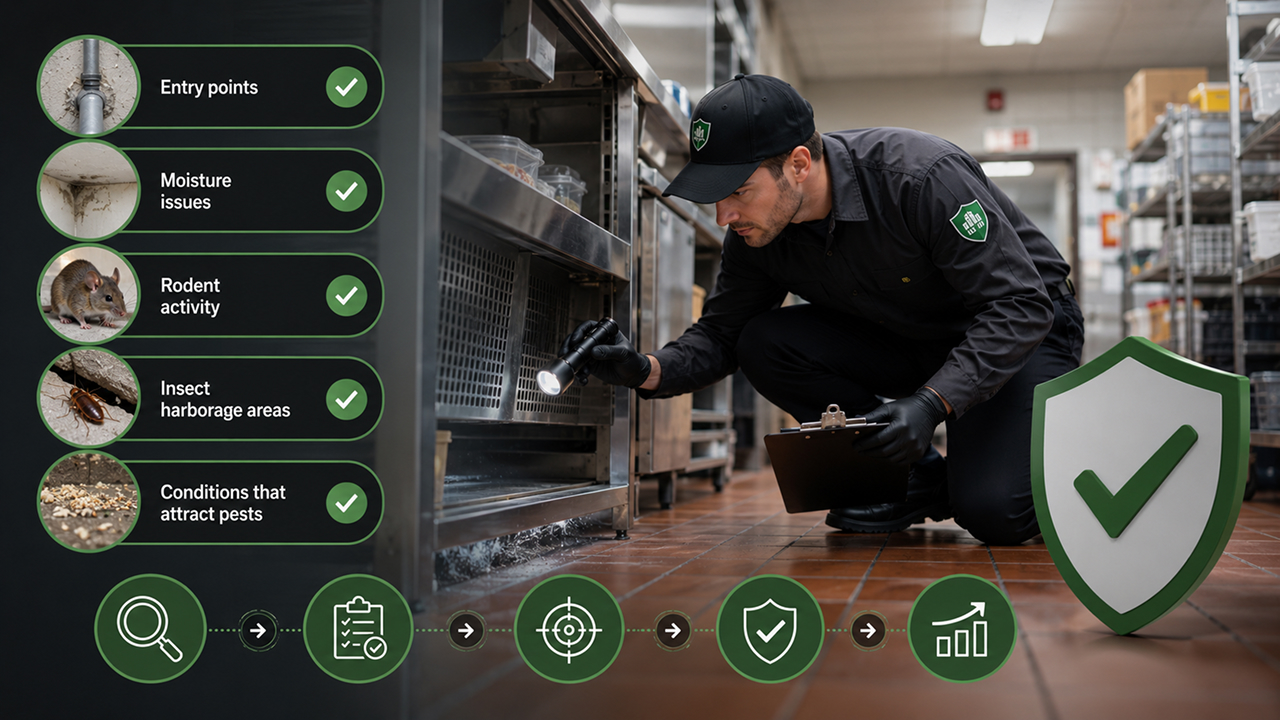
A commercial pest inspection is a professional evaluation of a property designed to identify:
- Active pest activity
- Conditions that attract pests
- Structural vulnerabilities
- Entry points
- Sanitation concerns
- Moisture issues
Rather than simply treating visible pests, inspections focus on understanding why pests may be present and how future infestations can be prevented.

1. Early Detection Helps Prevent Major Infestations
One of the biggest financial advantages of routine inspections is early detection.
Pests reproduce quickly.
For example:
- Rodents can rapidly increase in population.
- Cockroaches can multiply significantly in a short period.
- Ant colonies can expand and establish multiple nesting locations.
Detecting activity early often allows treatment before infestations become widespread and more costly to manage.

2. Protecting Inventory and Products
For many businesses, inventory represents a significant investment.
Pests can damage:
- Food products
- Packaging
- Retail merchandise
- Stored materials
- Manufacturing supplies
Warehouses, restaurants, grocery stores, and distribution centers are particularly vulnerable.
A regular inspection program can help identify threats before inventory losses occur.

3. Reducing Property Damage
Many pests damage buildings over time.
Common examples include:
Rodents
Rodents may chew:
- Electrical wiring
- Insulation
- Building materials
This can create fire hazards and costly repair needs.
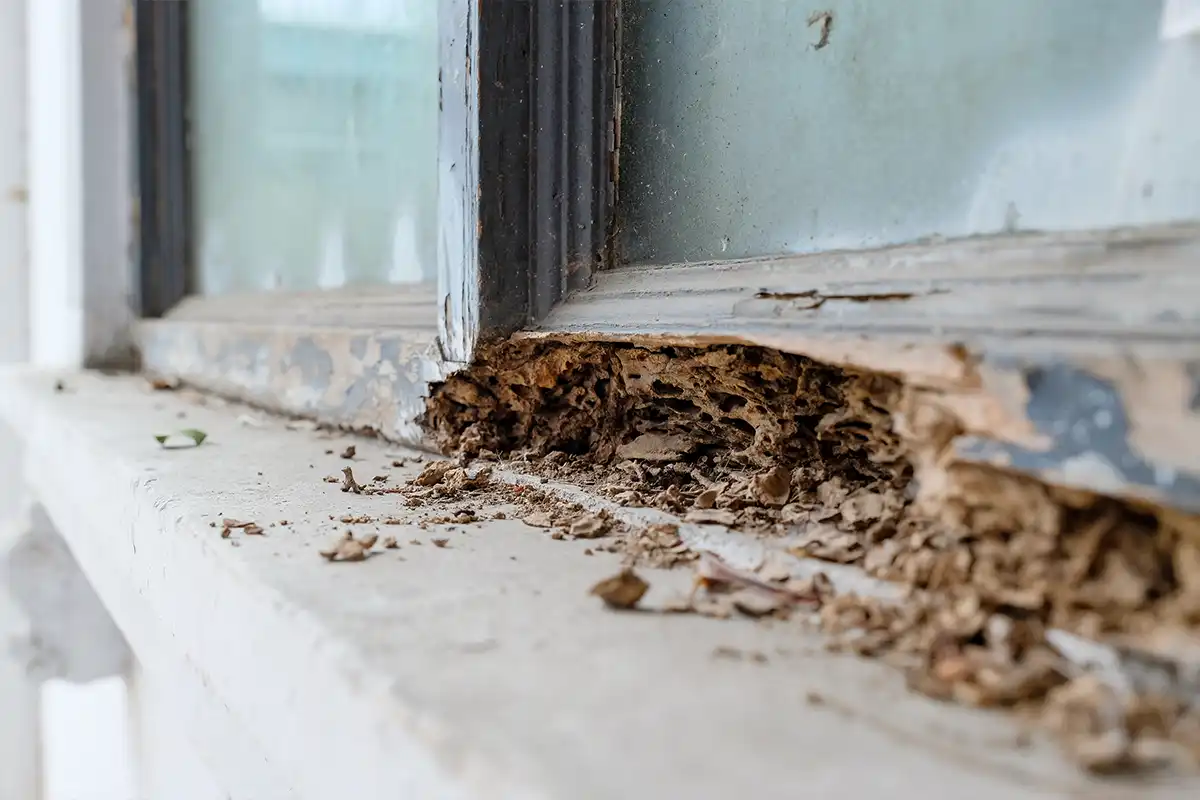
Termites
Termites can cause extensive structural damage before they are discovered.
Moisture-Related Pest Activity
Conditions that attract pests often contribute to other building maintenance issues as well.
Regular inspections help identify these risks before they escalate.

4. Avoiding Emergency Service Costs
Emergency pest problems often require:
- Immediate response
- More extensive treatment
- Increased labor
- Business disruption
Emergency situations are frequently more expensive than routine preventative programs.
By identifying issues early, businesses can often address concerns on their own schedule rather than reacting during a crisis.

5. Supporting Health and Safety Standards
Many businesses operate in environments where sanitation and safety are critical.
Examples include:
- Restaurants
- Healthcare facilities
- Schools
- Food processing facilities
- Senior living communities
Pests can compromise:
- Food safety
- Cleanliness standards
- Workplace health
Routine inspections help identify concerns that could affect compliance or operational standards.

6. Preventing Customer and Tenant Complaints
Visible pest activity can quickly generate complaints.
Customers may report:
- Cockroaches
- Flies
- Rodents
- Ant infestations
Property managers may hear concerns from:
- Tenants
- Residents
- Building occupants
Addressing issues proactively helps reduce complaints and maintain confidence in the property.

7. Helping Protect Business Reputation
Reputation is difficult to build and easy to damage.
A pest sighting can result in:
- Negative reviews
- Social media posts
- Lost customers
- Reduced trust
Regular inspections help reduce the likelihood of highly visible pest incidents that can impact public perception.

8. Identifying Structural Vulnerabilities
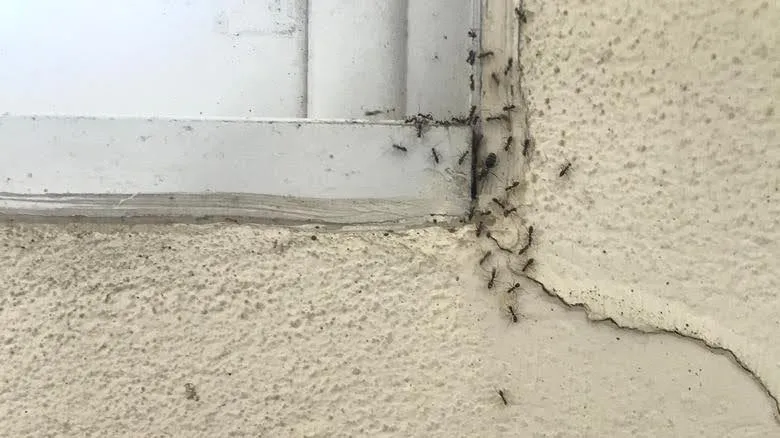
Many infestations occur because pests have easy access to the building.
Common entry points include:
- Utility penetrations
- Door gaps
- Roof openings
- Foundation cracks
- Loading docks
Inspections often identify vulnerabilities before they become pathways for future infestations.
9. Creating Predictable Maintenance Costs
Unexpected infestations often lead to unexpected expenses.
Routine inspection programs help businesses:
- Budget more effectively
- Reduce surprise costs
- Plan preventative maintenance
Predictable expenses are generally easier to manage than emergency repairs and treatment programs.

10. Supporting Long-Term Pest Prevention
The goal of a commercial inspection program isn’t simply to find pests.
It’s to create an environment where pests are less likely to thrive.
Long-term prevention often includes:
- Monitoring
- Exclusion recommendations
- Sanitation improvements
- Moisture control
- Ongoing inspections
This proactive approach helps reduce future risks and costs.
Businesses That Benefit Most from Routine Pest Inspections
While every commercial property can benefit, certain industries often see the greatest value.
These include:
- Restaurants
- Warehouses
- Apartment communities
- Office buildings
- Healthcare facilities
- Schools
- Hotels
- Manufacturing facilities
- Retail centers
Each environment presents unique challenges that may require ongoing monitoring.

How Often Should Commercial Properties Be Inspected?
Inspection frequency depends on:
- Industry type
- Facility size
- Regulatory requirements
- Previous pest history
- Property conditions
Properties with higher risk factors often benefit from more frequent inspections and monitoring.
A professional assessment can help determine an appropriate schedule.

Commercial Pest Control Services
The most effective pest management programs focus on prevention, monitoring, and early intervention.
Whether you manage a single commercial property or multiple facilities, regular inspections can help reduce risk, protect assets, and avoid costly surprises.
Learn more about commercial pest control services at:

Conclusion
Pest inspections are not simply about finding bugs or rodents.
They’re about protecting your business.
By identifying vulnerabilities early, reducing the likelihood of infestations, and supporting long-term prevention, routine inspections can help businesses avoid costly repairs, inventory losses, customer complaints, and operational disruptions.
For many companies, regular commercial pest inspections are one of the most cost-effective investments they can make in protecting their property and reputation.
FAQ: Commercial Pest Inspections
1. What is a commercial pest inspection?
A commercial pest inspection evaluates a property for pest activity, risk factors, and conditions that may attract pests.
2. Why are regular inspections important?
Regular inspections help identify problems before they become costly infestations.
3. How can inspections save businesses money?
They help prevent property damage, inventory loss, emergency treatments, and business disruptions.
4. What pests are commonly found during inspections?
Rodents, cockroaches, ants, flies, termites, and other common commercial pests.
5. How often should commercial properties be inspected?
The appropriate schedule depends on the property type and risk factors.
6. Are inspections only for businesses with pest problems?
No. Preventative inspections are often most valuable before problems develop.
7. Can inspections help prevent health code issues?
Yes. Early detection can help reduce sanitation and compliance concerns.
8. Do inspections help protect inventory?
Absolutely. Inspections can identify risks before products are damaged or contaminated.
9. Can rodents cause expensive damage?
Yes. Rodents may damage wiring, insulation, packaging, and building materials.
10. Are warehouses good candidates for inspections?
Yes. Warehouses often contain food sources, shelter, and storage materials that attract pests.
11. What happens during a commercial pest inspection?
The property is evaluated for pest activity, vulnerabilities, sanitation concerns, and risk factors.
12. Can inspections identify entry points?
Yes. Inspectors often locate gaps, cracks, and other access points used by pests.
13. Are emergency pest treatments more expensive?
In many cases, emergency treatments require more extensive work than preventative programs.
14. Do inspections help protect a business’s reputation?
Yes. Preventing visible infestations reduces the risk of customer complaints and negative reviews.
15. Can inspections improve workplace conditions?
Yes. A pest-free environment helps support employee comfort and safety.
16. Are inspections useful for apartment communities?
Absolutely. They can help identify problems before they affect multiple units.
17. Do pest inspections include recommendations?
Yes. Inspectors often provide recommendations for prevention and exclusion.
18. What industries benefit most from inspections?
Restaurants, healthcare facilities, warehouses, retail stores, and multi-family properties are common examples.
19. Is preventative pest control worth the investment?
For many businesses, preventing problems is far less expensive than correcting them later.
20. When should a business schedule a commercial pest inspection?
Ideally before signs of infestation appear, or immediately if concerns are identified.
Leave a Reply