
Introduction
If you’ve suddenly noticed ants in your home, you’re not alone—and it’s not random.
Ant infestations often seem to appear overnight, but in reality, there’s always a reason behind it. Whether it’s food, moisture, or changes in the environment, ants are highly efficient at finding what they need—and bringing the rest of the colony with them.
The good news is that once you understand what’s attracting them, you can take the right steps to eliminate the problem and prevent it from coming back.
In Long Beach, Seal Beach, Huntington Beach, Torrance or Newport Beach? Dr. Pest works these cities every week. Call (562) 488-7455 for a free inspection and a written quote before any work starts, or see the city we cover nearest you.
In this guide, we’ll break down the most common reasons ants suddenly show up in your house and what you can do about it.
Why Do Ants Suddenly Appear in Your Home?
Ants don’t just wander in by accident. When you see a trail of ants, it usually means they’ve already identified your home as a reliable food or water source.
Ants send out scouts to search for resources. Once one finds something, it leaves a scent trail that leads the rest of the colony directly to it. That’s why a few ants can quickly turn into dozens or even hundreds.
Understanding what triggered their arrival is the first step to solving the problem.
7 Common Reasons You Suddenly Have Ants
1. Food Sources Left Out
One of the most common reasons ants enter a home is easy access to food. Even small crumbs or spills can attract them.
Common attractants include:
- Sugary foods and drinks
- Greasy or oily residues
- Pet food left out
- Open trash containers
Even if your home appears clean, ants can detect tiny amounts of food that are easy to miss.
What to do:
- Wipe down surfaces regularly
- Store food in sealed containers
- Clean floors and high-traffic areas

2. Moisture or Water Sources
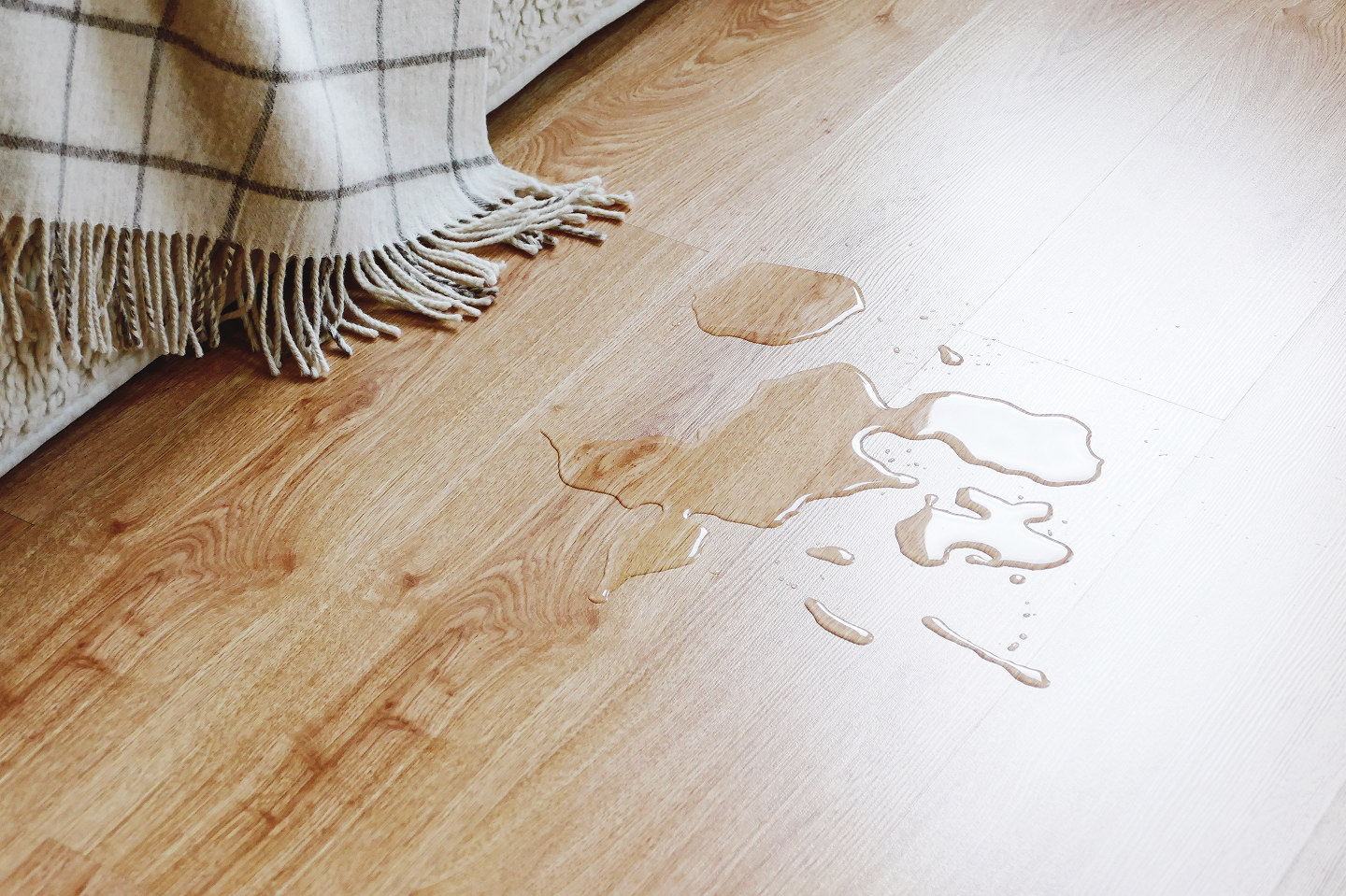
Ants are just as attracted to water as they are to food. Leaks and damp areas create ideal conditions for them.
Common problem areas:
- Under sinks
- Around pipes
- Bathrooms and laundry rooms
- Areas with poor ventilation
Moisture not only attracts ants but can also support larger infestations over time.
What to do:
- Fix leaks promptly
- Keep areas dry and ventilated
- Check for hidden moisture buildup
3. Seasonal Changes
Ant activity often increases during certain times of the year, especially in warmer months.
As temperatures rise:
- Ants become more active
- Colonies expand
- Food demand increases
Rain can also drive ants indoors as they search for dry shelter.
What to do:
- Be proactive during spring and summer
- Seal entry points before peak seasons
- Maintain regular pest control treatments
4. Entry Points Around Your Home
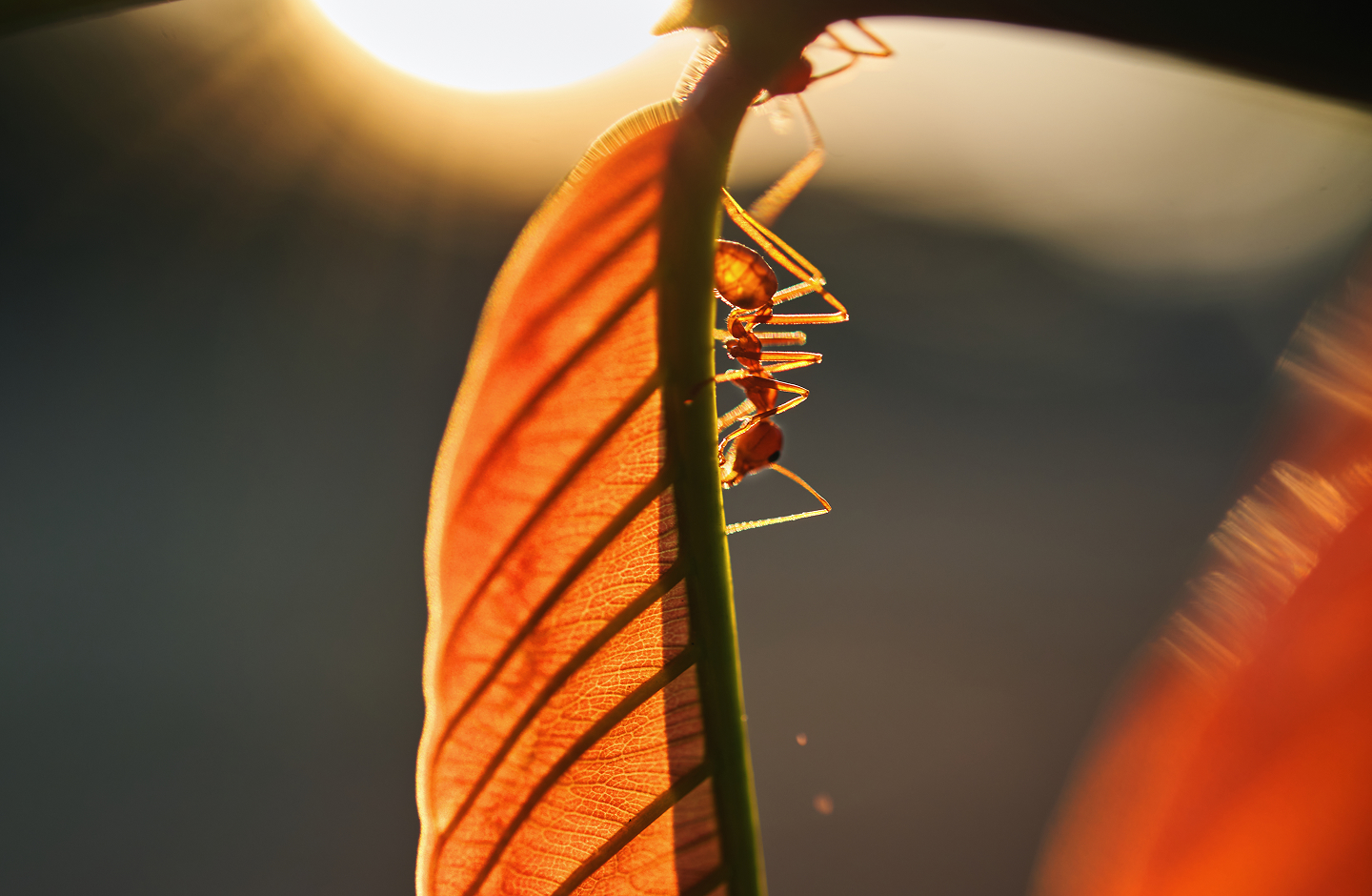
Ants can enter through extremely small openings. Cracks, gaps, and unsealed areas provide easy access.
Common entry points include:
- Windows and doors
- Foundation cracks
- Gaps around plumbing or wiring
- Baseboards and vents
Once ants find a way in, they will continue to use the same path repeatedly.
What to do:
- Seal cracks and gaps
- Install weather stripping
- Inspect your home’s exterior regularly

5. Nearby Colonies Expanding
Ant colonies are constantly growing and expanding their territory. If a colony is located near your home, it may eventually move indoors in search of resources.
This can happen even if your home hasn’t changed.
What to do:
- Identify outdoor nesting areas
- Keep landscaping trimmed away from the home
- Reduce debris and standing water

6. Previous Scent Trails
Once ants have found food in your home, they leave behind scent trails that guide other ants back to the same location.
Even after you clean the area, these invisible trails can continue to attract ants.
What to do:
- Use proper cleaning solutions (not just water)
- Disrupt scent trails with vinegar or disinfectants
- Monitor areas where ants were previously active

7. Changes in the Environment
Construction, landscaping changes, or weather shifts can disrupt outdoor ant habitats, forcing them to relocate.
This often leads them directly into nearby homes.
Examples include:
- Heavy rain
- Drought conditions
- Construction activity
- Yard disturbances
What to do:
- Monitor for increased activity after environmental changes
- Take preventative measures early
- Schedule inspections if activity increases suddenly

How to Get Rid of Ants Quickly
Once ants have entered your home, it’s important to address both the visible ants and the source of the problem.
Effective steps include:
- Eliminating food and water sources
- Cleaning and disinfecting affected areas
- Using targeted ant treatments or baits
- Sealing entry points
Surface-level fixes may remove the ants you see, but long-term control requires addressing the colony itself.
When Should You Call a Pest Control Professional?
While small infestations can sometimes be managed on your own, recurring or large infestations usually require professional treatment.
You should consider professional help if:
- Ants keep coming back
- You notice multiple trails or entry points
- The infestation is spreading
- DIY methods aren’t working
A professional pest control service can identify the species, locate the colony, and apply targeted treatments that eliminate the problem at its source.
How to Prevent Ants from Coming Back
Preventing future infestations is just as important as removing the current one.
Best practices include:
- Keeping your home clean and dry
- Sealing entry points
- Managing outdoor landscaping
- Scheduling regular pest control inspections
Consistent prevention is the most effective way to keep ants out long-term.
Conclusion (CTA)
If you’re suddenly seeing ants in your home, there’s always a reason—and the sooner you identify it, the easier it is to fix.
While small issues can sometimes be handled with cleaning and prevention, persistent infestations often require professional attention to fully eliminate the problem.
If ants keep coming back or you want a long-term solution, a professional inspection can help identify the source and stop the infestation at its root.
Leave a Reply