
Main Takeaways
- Septic tank bugs appear when moisture, leaks, sludge buildup, or odors create an environment that attracts insects and pests.
- Common septic pests include drain flies, cockroaches, ants, mosquitoes, water bugs, beetles, and termites.
- These pests can enter through drains, soil, or cracks and may indicate septic issues like leaks, clogs, poor ventilation, or a failing drain field.
- Bugs around the septic system can pose health risks, spread bacteria, and cause structural damage if ignored.
- Safe DIY fixes include draining standing water, cleaning drains with enzymes, sealing cracks, and fixing plumbing leaks.
- Never use harsh chemicals or pesticides inside drains — they kill beneficial septic bacteria and worsen system problems.
- Prevent pests by avoiding flushing wipes or grease, managing water usage, maintaining yard drainage, and keeping drains clean.
- Call a professional if bugs come from drains regularly, if odors appear, or if soil near the tank becomes soggy.
- Regular septic maintenance — pumping, inspections, and lid/vent checks — helps prevent both pest issues and system failure.
- Dr. Pest offers safe, septic-friendly pest control solutions designed to eliminate bugs without harming your septic system.
A septic system is one of the most important parts of a home that is not connected to city sewer lines. It collects wastewater from sinks, showers, and toilets, then uses natural bacteria and organisms to break down solids. When everything works the way it should, most people never think about what is going on inside their septic tank. But sometimes something strange happens. You might see bugs around your yard, near your drains, or in the bathroom. These can be septic tank bugs, and they are often a sign of a problem.
This guide explains what these bugs are, why they show up, how they affect your home, and what you can do to stop them. Keeping your septic system healthy protects your home, your yard, and your family’s comfort.
In Long Beach, Seal Beach, Huntington Beach, Torrance or Newport Beach? Dr. Pest works these cities every week. Call (562) 488-7455 for a free inspection and a written quote before any work starts, or see the city we cover nearest you.
What Are Septic Tank Bugs?
Septic tank bugs are insects and pests that live in, on, or around septic systems. Some of these bugs naturally feed on waste and bacteria inside the tank. Others come from outside and are attracted to moisture, odors, or sewage leaks.
These pests are not usually wanted in or near your tank. While some small microorganisms help digest waste, the visible insects we call “septic bugs” usually signal a problem. They can enter homes through drains, tiny cracks, or from the yard. Once inside, they may spread germs, cause smells, and create stress for homeowners.
Types of Septic Tank Bugs You May See
There are several kinds of pests that show up around septic systems. Knowing which ones you have can help you figure out the best solution.
Drain Flies
Drain flies are small, fuzzy, moth-like insects with slow flight. They often appear around sinks, bathtubs, or floor drains. They breed in the sludge and moisture inside pipes and around septic tanks.
Signs of drain flies:
- Tiny flies resting on bathroom walls
- Slow movement
- Clusters near drains or shower floors
Cockroaches
Roaches are common around septic tanks because they love dark, damp spaces. They may crawl into sewer lines and enter the home through pipes.
Signs of roaches:
- Fast-moving bugs near drains
- Droppings that look like black pepper flakes
- Musty smell in cabinets or bathrooms
Ants
Some ants nest in moist soil near septic systems. If the ground is damp from a leak, ants may build colonies there and eventually travel indoors.
Beetles and Water Bugs
Water beetles sometimes move into septic tanks by accident. These insects live in wet areas outside and may fall into open lids or access ports.
Mosquitoes
Mosquitoes breed in standing water. If your septic tank or drain field has trapped water, mosquitoes can multiply quickly.
Signs of mosquito breeding:
- High mosquito activity near the tank lid
- Standing or pooling water nearby
- Biting insects in the yard even without rain
Termites
This surprises some people, but termites can be drawn to wood near septic areas if the soil stays damp from leaks. The tank itself does not attract termites, but wet ground can.
Why Septic Tank Bugs Appear
Bugs do not randomly choose septic tanks. They are drawn by certain conditions that make it easy to live and breed. Understanding the cause helps prevent them from returning.
Common reasons bugs show up:
Moisture and Leaks
Leaking pipes or a cracked tank can create wet soil that attracts insects.
Waste Buildup
Sludge buildup inside pipes or drains gives drain flies and roaches a place to breed.
Poor Ventilation
Septic vents allow gases to release. If a vent is blocked or damaged, gases may push insects into the house instead of out.
Overloaded System
Too much water use or flushing the wrong items can overwhelm the tank and create pest-friendly conditions.
Open or Damaged Tank Lids
A loose or broken lid gives bugs easy access to the tank.
Drain Field Problems
Failing drain fields can cause water pooling and soft soil, which attracts mosquitoes and ants.
Signs You Have Septic Bug Problems
You may notice:
- Flies or insects near drains
- Bugs crawling out of sinks or bathtubs
- Sewage smell indoors or outside
- Wet spots in the yard
- Drain clogs or slow drainage
- Gurgling pipes when running water
These are not normal. They can mean your septic system needs help.
Are Septic Tank Bugs Dangerous?
Some bugs are mostly a nuisance. Others can bring health risks.
Possible problems include:
- Bacteria spread from insects landing on surfaces
- Allergies from insect droppings or wings
- Bites or stings from certain bugs
- Secondary pests like spiders that come to feed on the bugs
- Property damage from termites or ants if soil stays moist
If bugs find a way into your home, they may move beyond the bathroom and into living spaces. Keeping the septic system working right protects both the home and your family.
How To Get Rid of Septic Tank Bugs
The best solution depends on the pest type and where you see them. Here are safe steps homeowners can take.
Flush and Clean Drains
Use boiling water and enzyme-based drain cleaners to remove sludge where flies and roaches breed. Avoid strong chemical drain cleaners, which can damage septic systems.
Fix Plumbing Leaks
Look for dripping pipes, wet soil, or damp concrete around the tank or drain field. Repairs prevent pest activity.
Remove Standing Water
Clear puddles around your drain field or near the tank. Keep the ground dry and level.
Seal Cracks Around Pipes
Use caulk or sealant around bathroom fixtures and entry points to block pests.
Clean Garbage and Food Sources
Do not leave food out, especially in kitchens and bathrooms near drains.
Check Tank Lid and Vent
Make sure the tank cover fits securely and the vent pipe is clear.
Pump the Septic Tank on Schedule
Septic systems need pumping every two to five years depending on household size and tank size. Pumping prevents sludge buildup.
Install Mesh Screens
Screens over floor drains, vents, and pipe openings help block pests.
Don’t Use Harsh Chemicals Inside a Septic System
Some people try bleach, pesticides, or chemical flush products to kill insects. This can harm the helpful bacteria that break down waste in the tank.
Avoid flushing:
- Bleach in large amounts
- Pesticide liquids
- Drain acid cleaners
- Grease-cutting chemicals
- Oil or gasoline
- Paint or cleaning solvents
Healthy bacteria in the tank are needed to keep the system working. Killing them leads to clogs, odors, and worse pest problems.
Home Habits That Help Prevent Septic Tank Bugs
Good habits make it harder for pests to survive around your septic system.
Never Flush These Items
To keep pipes clear and avoid bug breeding spots, never flush:
- Paper towels or napkins
- Wipes labeled flushable
- Sanitary pads and tampons
- Dental floss
- Food scraps or grease
- Cotton balls or swabs
Only flush toilet paper and waste.
Use Water Wisely
Too much water at once overwhelms the system. Spread out loads of laundry and avoid long showers back-to-back.
Keep Bathroom Drains Clean
Use baking soda and vinegar flushes once a month to keep drains fresh and clear.
Maintain Yard Drainage
Keep the yard graded so water flows away from the drain field.

When To Call a Professional
Sometimes the problem is too big for DIY fixes. Call a pest control or septic expert if you see:
- Frequent bugs coming from drains
- Large numbers of drain flies
- Sewage smell indoors or outdoors
- Backed up drains
- Soggy soil near the septic tank
- Mosquito swarms near the drain field
A professional can inspect your tank, pipes, and soil. They can also provide safe treatments that do not harm the system.
Natural vs Chemical Pest Treatments Near Septic Systems
Homeowners often wonder which treatments are safe. Natural options are usually better near septic systems.
Safer Natural Options
- Enzyme drain cleaners
- Boiling water
- White vinegar and baking soda
- Essential oils like peppermint for roach control (use lightly)
Avoid These Near Septic Areas
- Pesticide bombs
- Bleach in large amounts
- Strong pipe acids
- Sprays that go directly into drains
If you must use pesticide treatments, hire a licensed specialist. They know how to treat pests without harming septic bacteria or contaminating soil.
How Septic Maintenance Prevents Pest Issues
Keeping your septic system healthy is one of the best pest prevention methods.
A good maintenance routine includes:
- Pumping every two to five years
- Annual septic inspections
- Checking the lid and vent for damage
- Keeping heavy vehicles off the drain field
- Making sure gutters do not flood the septic area
Healthy systems do not leak, smell, or attract insects. When the waste breaks down correctly, there is no food source for pests.
Eco-Friendly Products for Septic Health
Today many homeowners prefer safe products that protect the environment and their system. Enzyme-based cleaners, biodegradable soaps, and septic-safe toilet paper support good bacteria and reduce pest risk.
Look for labels like:
- Septic safe
- Biodegradable
- Microbe-friendly
- Natural formula
Avoid antibacterial soaps and harsh disinfectants that wipe out good bacteria.
How Weather Affects Septic Bugs
Weather plays a role in pest problems around septic tanks.
Rainy Seasons
Long wet periods can lead to muddy soil and mosquito breeding. Heavy rain can overload drain fields too.
Hot Summers
Heat speeds up insect breeding and increases odor leaks, which attract flies.
Cold Weather
Insects move indoors when it gets cold outside, sometimes coming through drains or cracks.
Being aware of seasonal changes helps you stay ahead of pest issues.
Call Dr. Pest For Septic Tank Pest Control
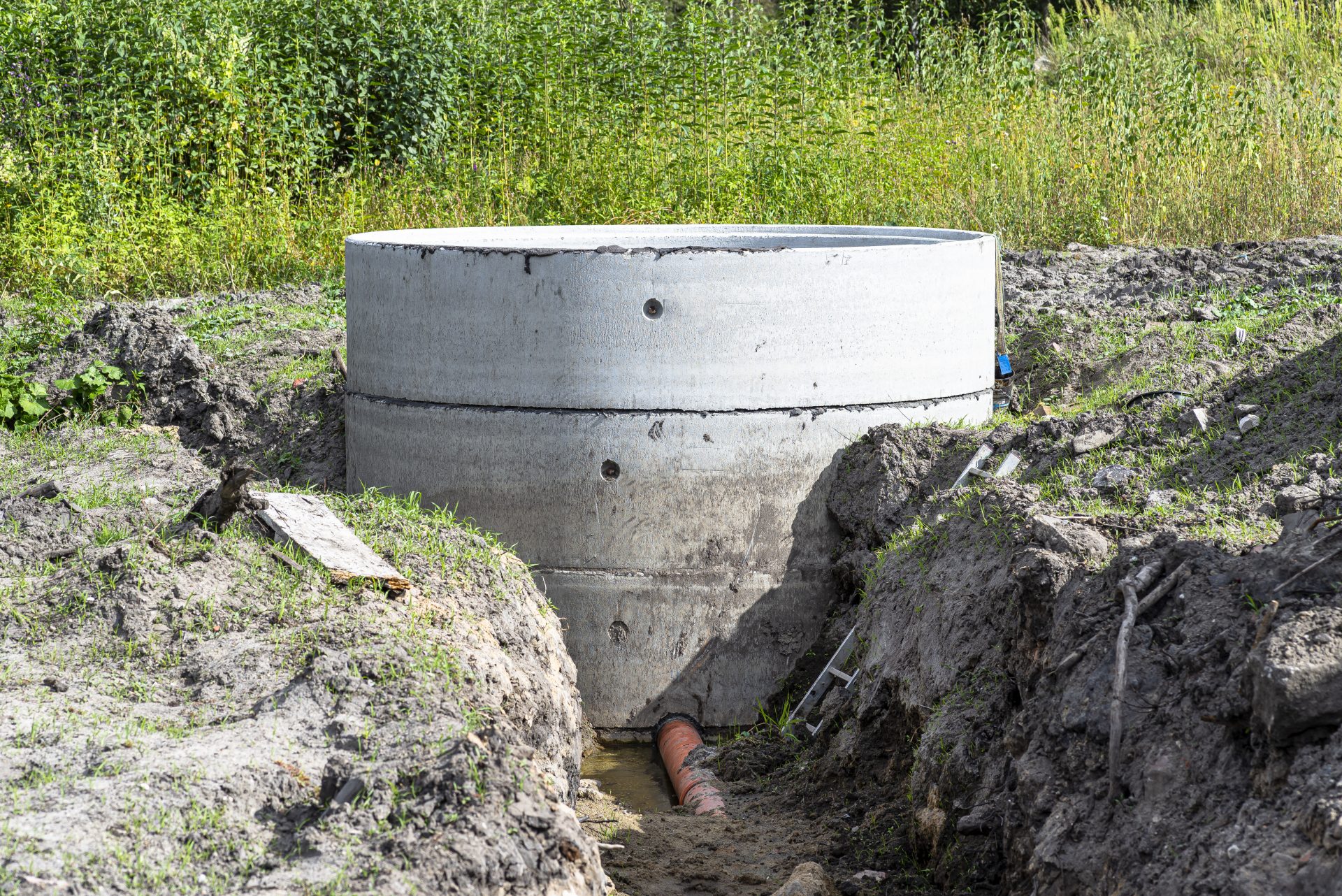
Seeing insects around drains or near your yard can make you uncomfortable, especially when they seem to come from your plumbing system. While some microscopic organisms belong inside a septic tank, visible pests like flies, roaches, and ants are signs of a problem. Good maintenance, clean habits, and safe treatment methods help stop pests and keep your tank healthy.
If bugs are showing up in your bathroom, kitchen, or yard, do not wait for the situation to get worse. The issue may be a pest infestation or a septic warning sign. Dr. Pest can inspect the problem, identify the source, and provide safe, effective solutions that protect your septic system and your home. Contact Dr. Pest today to schedule a professional pest inspection and say goodbye to septic tank bugs before they spread.
Leave a Reply