
Main Takeaways
- Why scorpions enter homes: They seek water, food (insects), and cool shelter, especially in hot, dry seasons.
- Common species in the U.S.: Arizona Bark Scorpion (most dangerous), Striped Bark Scorpion, and Desert Hairy Scorpion.
- Signs of infestation: Night sightings, increased insect activity, droppings, or glowing under UV light.
- DIY challenges: Scorpions are hardy, hide in tiny cracks, and often survive store-bought sprays.
- Professional treatment: Experts inspect, target hiding spots, use specialized products, and provide follow-up visits.
- Prevention methods: Seal entry points, maintain your yard, reduce insect populations, and use traps or UV checks.
- Sting risks: Most stings cause pain and swelling, but dangerous species like the Arizona Bark Scorpion may require urgent medical care.
Scorpions are among the most feared pests, especially in desert and dry regions like the American Southwest. Their sting can be painful, and in some cases, dangerous. If you live in an area where scorpions are common, understanding how to prevent them and when to call for professional help is essential. This guide explains everything you need to know about scorpion pest control, including why scorpions invade homes, how to spot signs of infestation, and what steps you can take to get rid of them safely.
What Attracts Scorpions to Your Home?
Scorpions are nocturnal hunters, meaning they come out at night to find food and shelter. They thrive in warm, dry environments but are drawn indoors when the outside becomes too hot or dry, especially during the summer months. Some common reasons scorpions enter your home include:
In Long Beach, Seal Beach, Huntington Beach, Torrance or Newport Beach? Dr. Pest works these cities every week. Call (562) 488-7455 for a free inspection and a written quote before any work starts, or see the city we cover nearest you.
- Moisture: Leaky pipes, clogged drains, and damp basements can attract scorpions looking for water.
- Shelter: They seek dark, cool hiding places like garages, attics, closets, and crawl spaces.
- Food Sources: Scorpions feed on other insects like crickets, spiders, cockroaches, and ants. If you have bugs, you might also attract scorpions.
Common Types of Scorpions Found in Homes
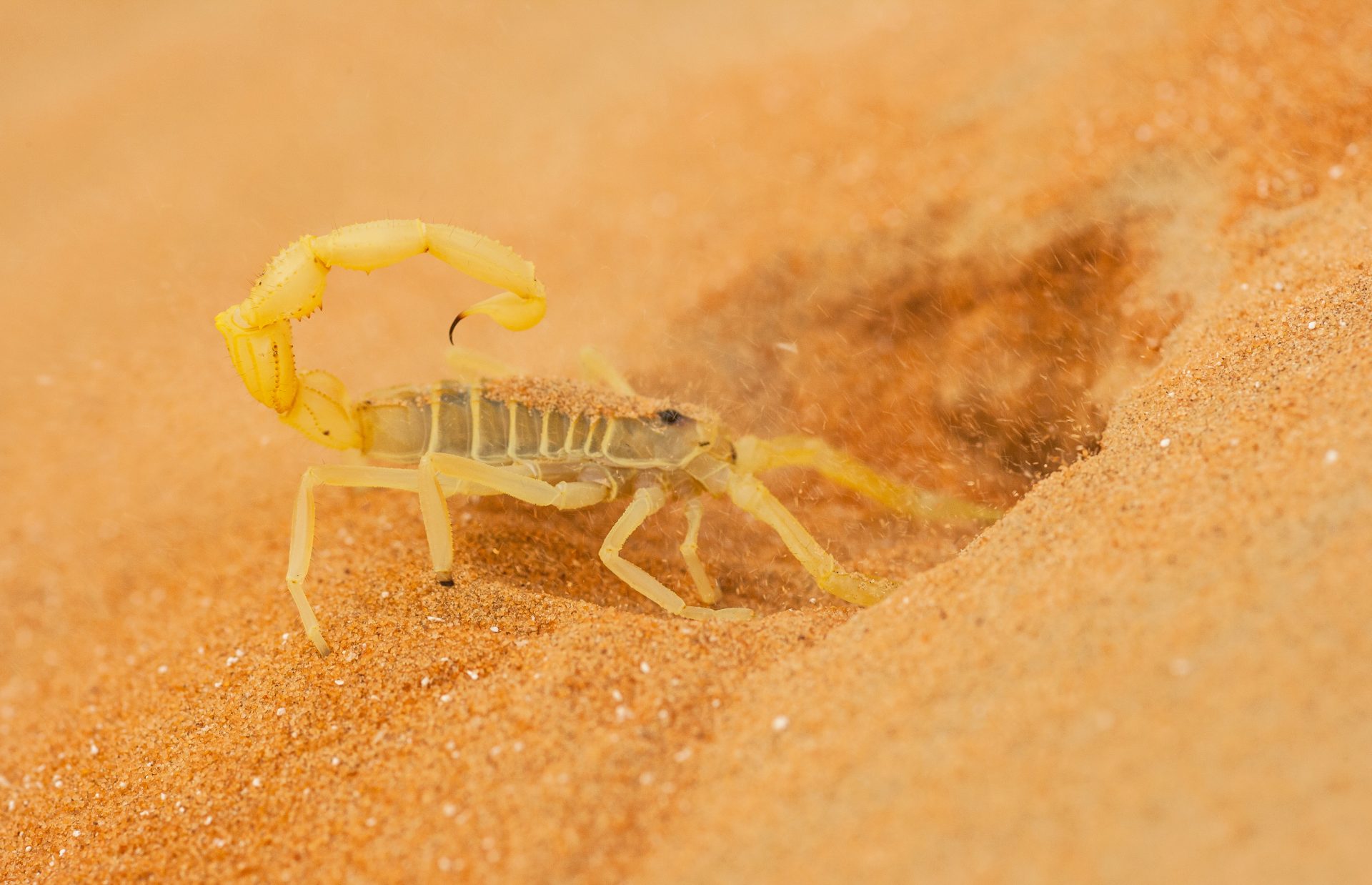
There are over 1,500 species of scorpions worldwide, but only a few commonly invade homes. In the U.S., particularly in states like Arizona, California, Nevada, and Texas, the following species are most likely to be found:
Arizona Bark Scorpion
This is the most dangerous species in North America. Its sting can cause severe pain, numbness, and in rare cases, serious medical complications. They are small, light brown, and can climb walls and ceilings.
Striped Bark Scorpion
Found in Texas and surrounding states, this species is slightly larger than the Arizona Bark Scorpion and has distinctive dark stripes on its back.
Desert Hairy Scorpion
The largest in the U.S., this scorpion is generally less aggressive. Its sting is painful but not usually dangerous to humans.
Identifying which type is in your home is crucial for effective scorpion pest control. Some require more urgent attention than others.
Signs You Have a Scorpion Problem
Scorpions are sneaky. They hide during the day and come out at night, making it easy to miss an infestation. However, there are some telltale signs:
- Sightings at Night: If you spot a scorpion inside or near your home at night, especially more than once, you may have an infestation.
- Insect Activity: A noticeable increase in bugs like crickets, roaches, or spiders might attract scorpions.
- Scorpion Droppings: These look like small, dark pellets and may be found in corners or near water sources.
- UV Detection: Scorpions glow under blacklight. You can use a UV flashlight to scan dark areas at night.
Why DIY Scorpion Control Often Fails
While you can try traps, sprays, or sealing cracks on your own, many homeowners find that scorpions keep coming back. That’s because:
- Scorpions Are Hardy: They can survive extreme conditions and go without food for weeks.
- They Hide Well: Scorpions can slip into tiny cracks as small as 1/16 of an inch.
- Over-the-Counter Products Are Limited: Many sprays and powders don’t kill scorpions on contact and don’t reach their hiding spots.
Because of these challenges, professional scorpion pest control is often the best option, especially in areas where these pests are common.
How Professionals Handle Scorpion Infestations
When you call in experts for scorpion control, they take a comprehensive approach. Here’s what to expect:
1. Thorough Inspection
Professionals inspect your home inside and out, looking for signs of scorpions and the insects they feed on. They check attics, crawl spaces, baseboards, and outdoor areas like stone walls or wood piles.
2. Targeted Treatment
Pest control specialists use safe, high-grade products to treat known hiding spots. They may apply insecticides to cracks, crevices, and along baseboards, and sometimes use dusts or granules outside to form a protective barrier.
3. Yard Maintenance Advice
Professionals often recommend changes to your landscaping to reduce scorpion hiding spots. This might include removing debris, trimming vegetation, or installing barriers around your foundation.
4. Follow-Up Visits
Because scorpion eggs can hatch weeks after treatment, follow-up visits ensure the problem is fully resolved. Professionals may adjust their strategy based on the scorpions’ activity.

Preventing Scorpions from Coming Back
Once the infestation is under control, the next step is prevention. Here are practical tips to keep your home scorpion-free:
Seal Entry Points
Check for gaps in doors, windows, vents, and utility lines. Use weather stripping and caulk to seal openings. Install door sweeps and repair torn window screens.
Reduce Outdoor Attractants
Scorpions love to hide under rocks, wood piles, and mulch. Keep your yard tidy, remove clutter, and trim shrubs away from your home.
Control Other Pests
Remember, scorpions follow food. Keep your home bug-free by cleaning regularly, sealing food containers, and fixing leaks. Consider routine pest control for insects.
Use Scorpion Traps
Sticky traps placed along baseboards or in dark corners can help you monitor for scorpions and reduce their numbers.
Blacklight Inspections
Periodically check your home and yard with a UV flashlight at night to spot scorpions early.
Are Scorpion Stings Dangerous?
Most scorpion stings cause localized pain, swelling, and numbness. However, for certain species like the Arizona Bark Scorpion, the venom can cause more serious symptoms, especially in children, the elderly, or those with allergies. Symptoms can include:
- Difficulty breathing
- Muscle twitching
- Dizziness or nausea
- Increased heart rate
In rare cases, hospitalization may be required. If someone is stung, wash the area with soap and water, apply a cold pack, and seek medical attention if symptoms worsen.
Scorpion-Proofing Your Home: Long-Term Solutions
Professional pest control companies may also offer home sealing services to make your home scorpion-proof. This involves:
- Closing gaps in foundation and walls
- Installing mesh over vents
- Repairing or replacing worn weather stripping
- Treating attic spaces
Combined with regular inspections and yard treatments, this provides long-term protection from scorpions and other pests.
When to Call a Scorpion Pest Control Expert
It’s time to contact a professional if:
- You’ve seen multiple scorpions indoors.
- You’ve tried DIY treatments without success.
- You have young children or pets at home.
- You live in an area known for dangerous scorpions.
Professional scorpion pest control not only eliminates the current problem but also helps prevent future infestations. It provides peace of mind, knowing that your home is protected.
Why Choose Dr. Pest for Scorpion Pest Control
At Dr. Pest, we understand how unsettling it can be to find scorpions in your home. Our experienced technicians know exactly where scorpions hide and how to get rid of them quickly and safely. We don’t just treat the problem—we help prevent it from coming back.
Using industry-leading tools and treatments, we offer thorough inspections, customized plans, and follow-up care to keep your home scorpion-free. Whether you’ve seen one scorpion or several, don’t wait until someone gets stung.
Call Dr. Pest today for reliable, affordable scorpion pest control that works. Your safety and comfort are our top priority.
Leave a Reply