Main Takeaways
- Outdoor areas like pools and lawns often attract pests that can spread disease, damage property, and create safety risks.
- Common lawn pests include grubs, chinch bugs, webworms, fire ants, moles, and voles, which harm turf and landscaping.
- Pools attract mosquitoes, ants, rodents, bees, cockroaches, and other pests drawn to water, food, and shelter.
- Pest activity outdoors can lead to indoor infestations if not managed early.
- Prevention strategies—such as proper lawn care, water circulation, debris removal, sealing gaps, and pool maintenance—are key.
- Eco-friendly and IPM-based solutions, including natural repellents, nematodes, and targeted treatments, offer safe pest control.
- Professional pest services ensure accurate diagnosis, effective treatments, and long-term protection for outdoor spaces.
Pools and lawns are meant to be places of relaxation, fun, and beauty. Whether you’re a homeowner enjoying your backyard or a business owner maintaining a welcoming property, pests can turn these spaces into a source of stress. Insects, rodents, and other unwanted guests not only cause damage but can also create serious health and safety risks. This is why pest pool and lawn management is essential for keeping outdoor spaces clean, functional, and enjoyable.
This article explores the common pests that invade lawns and pools, the risks they pose, prevention strategies, and professional solutions that ensure your property remains pest-free.
Why Outdoor Pest Control Matters
When most people think of pest control, they imagine bugs inside the home or rodents hiding in walls. But outdoor areas are often the starting point for infestations. Pools, lawns, and landscaped areas provide food, water, and shelter for many pests.
Without proper pest management outdoors, problems can escalate quickly. Our residential pest control services are designed to address both indoor and outdoor threats before they take hold:
- Mosquitoes can breed in standing water and spread diseases.
- Ants and termites may invade lawns before moving toward buildings.
- Rodents can damage pool equipment and chew through wiring.
- Cockroaches and beetles may find shelter in damp areas near pools.
By controlling pests in your pool and lawn, you reduce the risk of larger infestations inside your property.
Common Pests in Lawns
Healthy lawns are attractive not just to people but also to insects. The following are among the most common lawn pests:
1. Grubs
Grubs are beetle larvae that feed on grass roots, causing patches of brown, dying turf. They attract animals like raccoons and skunks, which dig up lawns in search of food.
2. Chinch Bugs
These small insects suck the sap out of grass blades, leaving behind yellow or brown patches. Their damage is often mistaken for drought stress.
3. Sod Webworms
These caterpillars chew grass blades and create small brown patches. At night, adult moths can often be seen hovering over lawns.
4. Fire Ants
Besides being a nuisance, fire ants build large mounds and deliver painful stings. Their colonies can spread quickly, making them hard to manage without professional help.
5. Moles and Voles
Though not insects, these small mammals can cause significant damage to lawns by tunneling underground and uprooting plants.
Common Pests Around Pools
Pools attract more than just swimmers—they also provide water and shelter for pests. Some of the most frequent offenders include:
1. Mosquitoes
Perhaps the most notorious pool pest, mosquitoes breed in standing water, including pool covers, clogged drains, and neglected pool areas. The CDC identifies mosquitoes as one of the most dangerous disease vectors in the world, responsible for spreading West Nile virus, Zika, and dengue fever.
2. Wasps and Bees
These stinging insects are drawn to water sources. While they play an important role in the ecosystem, they can become dangerous when they build nests near pools.
3. Ants
Sugar ants and carpenter ants often gather near pools where food and water are present. They can also damage poolside structures.
4. Cockroaches
The damp environment around pools makes an ideal hiding spot for cockroaches, which can spread bacteria and create unsanitary conditions.
5. Rodents
Mice and rats are sometimes found near pools, attracted by water and leftover food. They can damage pool equipment by gnawing wires and pipes.
Health and Safety Risks of Pool and Lawn Pests
The presence of pests outdoors isn’t just inconvenient—it can be dangerous.
- Mosquito-borne illnesses: Mosquitoes spread diseases like West Nile virus and Zika.
- Allergic reactions: Bee or wasp stings can cause severe allergic reactions in some individuals.
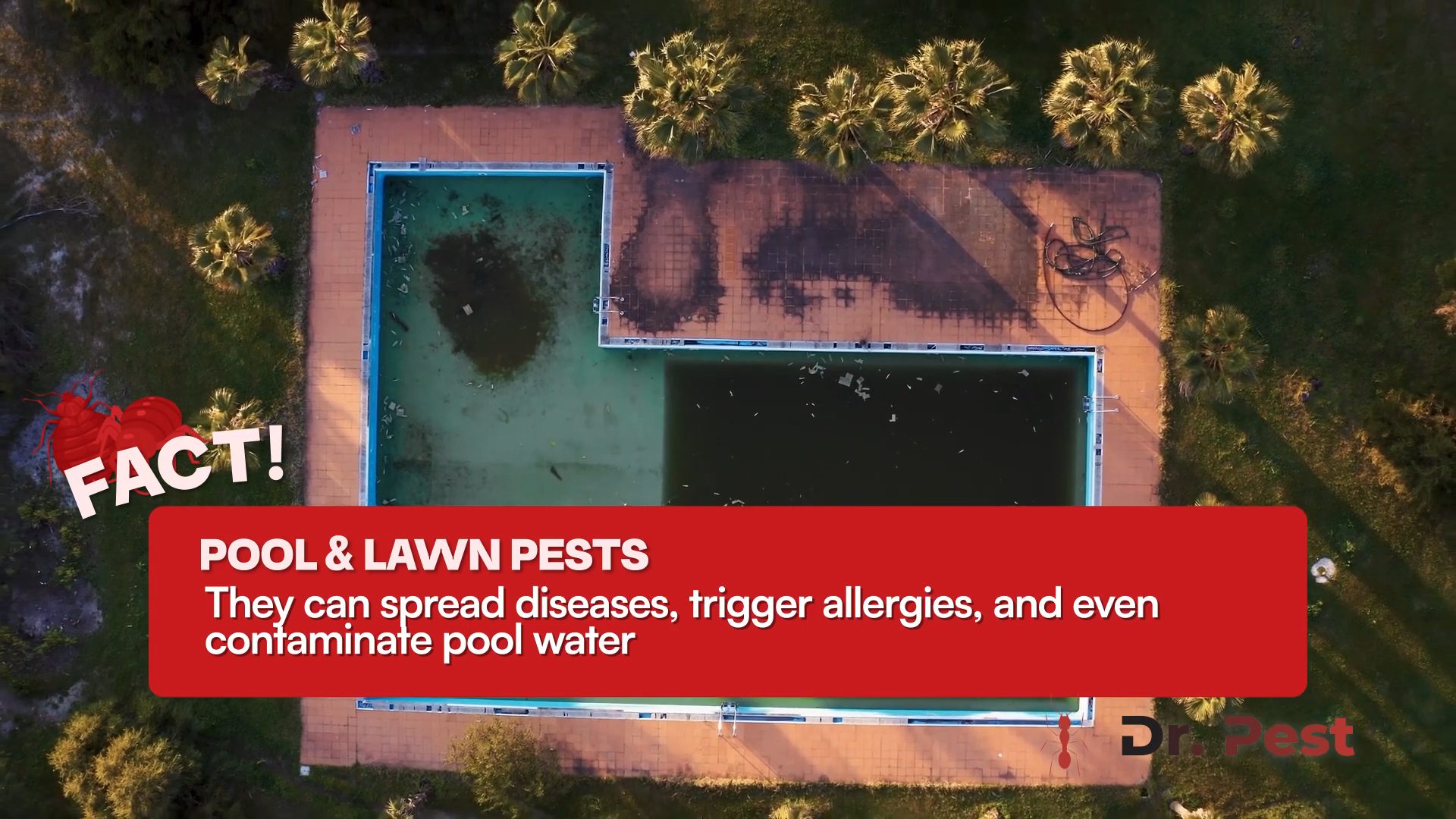
- Bacterial contamination: Cockroaches and rodents carry bacteria that may contaminate pool water or nearby surfaces.
- Accidents and injuries: Fire ant mounds or rodent burrows in lawns create tripping hazards.
- Structural damage: Pests can chew wires, damage irrigation systems, and harm pool liners or decking.
By addressing these risks proactively, you protect both the health of your family and the investment in your property.
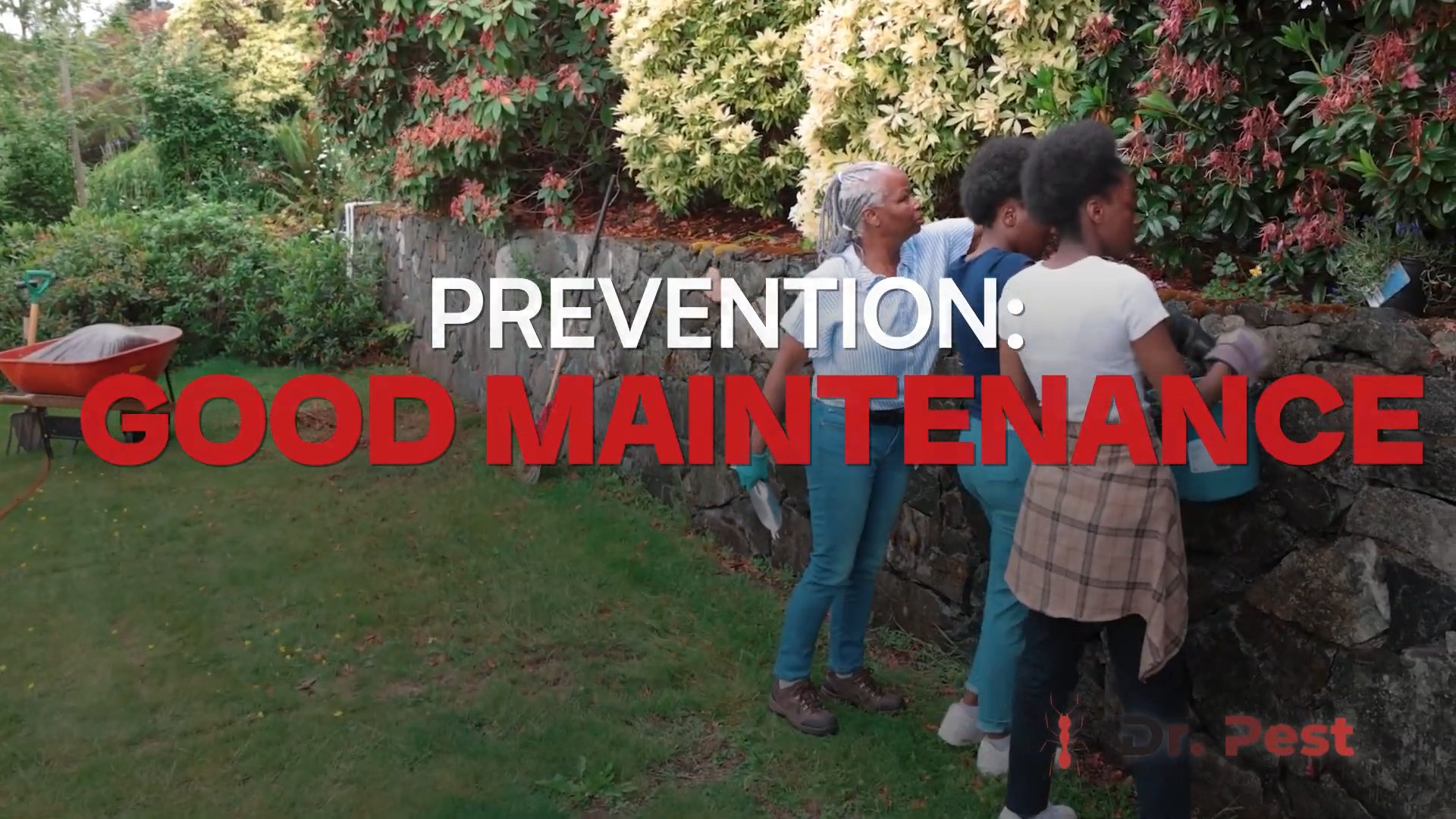
Preventing Lawn Pests
Maintaining a healthy lawn is one of the best defenses against pests. Here are effective prevention strategies:
- Regular mowing: Keep grass trimmed to discourage insects and rodents from nesting.
- Proper watering: Overwatering creates damp soil that attracts pests like grubs and mosquitoes.
- Aeration and fertilization: Strengthening your lawn’s root system makes it more resistant to pest damage.
- Debris removal: Eliminate piles of leaves, branches, and grass clippings where pests can hide.
- Targeted treatments: Use eco-friendly pest control products or professional applications to keep infestations under control.
Preventing Pool Pests
Pools require a different approach than lawns because of their unique environment. Key prevention steps include:
- Keep water circulating: Mosquitoes can only breed in stagnant water. Running pumps and filters prevents this.
- Cover pools properly: Use tight-fitting covers and avoid letting rainwater collect on top.
- Clean drains and filters: Regular cleaning prevents debris buildup where pests thrive.
- Store food carefully: Avoid leaving snacks or drinks around pools, as they attract ants and rodents.
- Seal cracks and gaps: Check pool decking, equipment housing, and nearby structures for entry points pests might use.
Eco-Friendly Pest Control for Pools and Lawns
More property owners are turning to eco-friendly pest control options to protect their outdoor spaces while minimizing environmental impact. The EPA recommends Integrated Pest Management (IPM) as the safest and most sustainable framework for controlling pests in and around homes. These methods include:
- Biological controls, such as beneficial nematodes that target grubs in lawns.
- Natural repellents, including essential oils to deter mosquitoes and ants.
- Non-toxic traps and baits that manage rodents without harmful chemicals.
- Integrated Pest Management (IPM) strategies that combine monitoring, prevention, and targeted treatments.
Eco-friendly methods not only reduce chemical use but also create a safer environment for children and pets.
Professional Pest Pool and Lawn Services
While do-it-yourself methods can help, many infestations require professional expertise. Trained pest control technicians bring several advantages:
- Accurate identification of pest species and sources.
- Safe and effective treatments tailored to pools and lawns.
- Preventive maintenance plans to stop pests before they return.
- Specialized equipment for large or hard-to-reach infestations.
Professional services ensure your outdoor spaces remain safe, clean, and enjoyable year-round.
Cost of Pest Control for Pools and Lawns
The cost of pest management depends on factors such as property size, type of infestation, and frequency of service. Generally, homeowners may pay anywhere from modest monthly fees for routine lawn treatments to higher costs for emergency rodent or insect removal near pools. Commercial properties often require customized plans to meet health and safety regulations—our commercial pest control programs are built around exactly these kinds of needs.
While the cost may seem like an investment, it’s often far less than the expense of repairing lawn damage, replacing pool equipment, or dealing with health-related consequences of pests.
The Importance of Regular Inspections
Even if your lawn looks green and your pool water looks clear, pests may be lurking out of sight. Regular inspections are crucial to catching problems early. Pest control experts can:
- Spot hidden signs of infestations.
- Identify entry points and breeding grounds.
- Recommend preventive treatments.
- Provide seasonal advice, since different pests are active at different times of year.
This proactive approach helps prevent small issues from turning into major problems.
Creating a Pest-Free Outdoor Retreat with Dr. Pest
If you’ve been wondering how to protect your pool and lawn from unwanted invaders, the answer lies in consistent maintenance, smart prevention, and professional help when needed. Outdoor pests are more than just a nuisance—they pose risks to your health, safety, and property value.
At Dr. Pest, we specialize in pest pool and lawn services that keep outdoor spaces beautiful and worry-free. Our team uses proven methods tailored to residential and commercial properties, ensuring pests are not only removed but prevented from coming back.
Contact Dr. Pest today or call (562) 488-7455 to schedule an inspection and discover how our expert team can help you enjoy your pool and lawn without the threat of pests.
Leave a Reply