
Main Takeaways
- Pantry pests like moths, beetles, and weevils infest dry goods such as flour, cereal, rice, and pet food.
- Infestations often start when pests enter your home through already contaminated food packages.
- Signs include visible insects, webbing, damaged packaging, foul odors, and clumping in dry goods.
- First steps: discard infested food, deep clean the pantry, and transfer items to airtight containers.
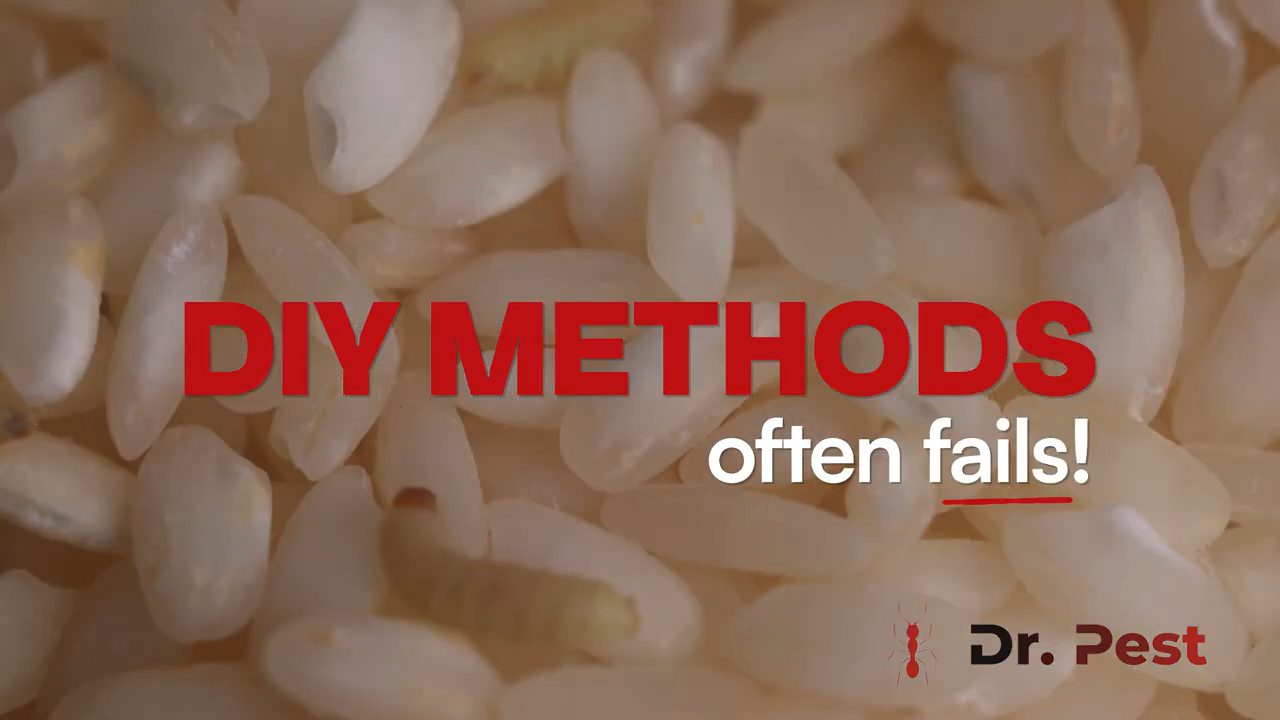
- DIY methods often fail because eggs and larvae are hidden, making reinfestation common.
- Professionals provide inspections, targeted treatments, sealing, and ongoing monitoring for lasting results.
- Prevention includes buying carefully, freezing grains, sealing food in airtight containers, and regular cleaning.
Have you ever opened a bag of flour or a box of cereal only to find bugs crawling inside? It’s an unsettling experience, and unfortunately, it’s more common than many people think. Pantry pests can ruin your food, cost you money, and lead to an ongoing infestation if not dealt with properly. This guide to pantry pest control will help you understand what these pests are, how they get into your kitchen, and how to get rid of them for good.
What Are Pantry Pests?
Pantry pests are insects that invade food storage areas and infest dry goods. They are often small, hard to notice at first, and can quickly spread from one product to another. These bugs are usually brought into the home through infested food packages from the store.
In Long Beach, Seal Beach, Huntington Beach, Torrance or Newport Beach? Dr. Pest works these cities every week. Call (562) 488-7455 for a free inspection and a written quote before any work starts, or see the city we cover nearest you.
Some of the most common pantry pests include:
- Indian Meal Moths: These small moths have reddish-brown wings and are often found flying around kitchens. Their larvae feed on grains, nuts, dried fruit, and even pet food.
- Grain Beetles: These beetles, including sawtoothed grain beetles and merchant grain beetles, are tiny but destructive. They chew through packaging and contaminate a wide variety of dry foods.
- Flour Beetles: These beetles are reddish-brown and typically found in flour, cereal, and baking mixes.
- Weevils: Often found in rice, pasta, and grains, weevils are small beetles with long snouts and are known for quickly spreading through food storage.
Pantry pests can be more than just a nuisance. They can spoil large amounts of food and create a recurring problem if not handled properly.
How Pantry Pests Enter Your Home
Most pantry pests don’t fly or crawl in from outside. Instead, they come into your house inside food packages from the grocery store. Even sealed items can sometimes be contaminated, especially if the packaging is damaged or has small openings.
Once inside your pantry, these pests can:
- Lay eggs inside food containers, which hatch into larvae.
- Spread to other items, especially in poorly sealed bags and boxes.
- Hide in cracks and crevices, making them hard to find and eliminate.
Understanding how pantry pests get in is key to preventing future infestations.
Signs of a Pantry Pest Infestation
Pantry pests are small, but they leave clues behind. Here’s what to look for:
- Visible Insects: You might see moths, beetles, or larvae crawling in your food or on shelves.
- Webbing: Indian meal moth larvae produce silk webbing, especially around food particles.
- Damaged Packaging: Small holes, chewed corners, or torn edges on food containers are signs of pest activity.
- Foul Odor: Infested food often smells musty or sour.
- Clumps in Dry Goods: Moisture and webbing can cause flour, cereal, or grains to clump together unnaturally.
If you notice any of these signs, it’s time to take action with pantry pest control.
First Steps: What to Do If You Find Pantry Pests
Finding bugs in your food can be alarming, but don’t panic. Here’s a step-by-step plan to handle the problem:
1. Identify the Source
Carefully inspect every item in your pantry, starting with those near the infested food. Look for signs of pests in flour, rice, pasta, cereal, nuts, spices, and even pet food.
2. Discard Infested Items
Throw away any contaminated food. Double-bag the trash to prevent pests from escaping and remove it from your home right away.
3. Clean the Pantry Thoroughly
Empty your shelves and vacuum all corners, cracks, and seams. Wipe down surfaces with soap and water, then follow with a mixture of white vinegar and water to deter remaining pests.
4. Check for Hidden Bugs
Pantry pests can hide in shelf liners, under containers, or behind packaging. Don’t skip small areas.
5. Store Food in Airtight Containers
Transfer all dry goods into sealed glass, metal, or thick plastic containers. Thin plastic bags and cardboard boxes won’t stop pests from getting in.
These first steps are critical, but some infestations require more aggressive action.

Effective Pantry Pest Control Methods
Once you’ve cleaned up the mess, you need to ensure the pests are truly gone and won’t come back. Here are some effective control methods:
Use Pheromone Traps
Sticky traps that use attractant scents can lure and capture adult moths and beetles. These traps help reduce pest numbers and monitor for ongoing activity.
Apply Food-Safe Insecticides
If needed, you can use food-safe pest control products like diatomaceous earth. Sprinkle it lightly in cracks and along shelf edges—away from food—to kill crawling insects.
Treat the Home’s Entry Points
Although pantry pests usually come from food, sealing entry points around windows, doors, and vents can help prevent other insects from getting in and becoming food for pantry pests.
Regular Inspections
Check your pantry weekly for signs of returning pests, especially if you’ve had a previous infestation.
If pests return or the infestation spreads, it’s time to call a professional.
Why DIY Solutions Often Fail
While many homeowners try to manage pantry pests on their own, DIY methods often fall short. Here’s why:
- Eggs and Larvae Are Hard to See: Even if you remove adult bugs, you may miss hidden eggs.
- Pests Can Hide in Cracks: Without the right tools, it’s hard to reach all hiding spots.
- Reinfestation Is Common: If you don’t treat all possible sources and pathways, pests come back.
Professional pantry pest control provides a more complete and lasting solution, especially for severe or recurring problems.
How Professionals Handle Pantry Pest Control
Calling in a pest control expert ensures the infestation is treated thoroughly and safely. Here’s what professional service typically involves:
In-Depth Inspection
Technicians inspect your pantry, kitchen, and surrounding areas to find the extent of the infestation and identify all pest species involved.
Customized Treatment Plan
Based on the inspection, the technician chooses safe, effective treatments tailored to your home and pest type. This may include traps, sprays, and sanitation protocols.
Sealing and Exclusion
Professionals may seal cracks, install door sweeps, and suggest other changes to help prevent future pest entry.
Ongoing Monitoring
Follow-up visits ensure the pests are fully gone and help prevent reinfestation through continuous monitoring and prevention tips.
How to Prevent Pantry Pests
The best way to deal with pantry pests is to stop them before they start. Here are some proven prevention tips:
Buy Carefully
Inspect packaging at the store for damage or signs of pests. Avoid buying items from dusty shelves or stores with visible pest issues.
Store Smart
As mentioned earlier, airtight containers are your best defense. Label containers with purchase dates and rotate stock to use older items first.
Clean Regularly
Wipe down pantry shelves monthly. Vacuum crumbs, check for spills, and don’t forget hard-to-reach corners.
Freeze New Items
Some people freeze grains, flour, or cereal for a few days after buying to kill any hidden eggs. This is especially useful for bulk purchases.
Inspect Pet Food and Birdseed
These items are often stored in garages or basements and can be a major source of pests. Keep them sealed and clean up spills right away.
Are Pantry Pests Harmful?
While pantry pests don’t bite or spread disease, they can still cause problems:
- Food Waste: Infested food must be thrown out, which can be expensive.
- Allergies: Insect parts and droppings can trigger allergic reactions in sensitive individuals.
- Emotional Distress: The thought of bugs in your food can be upsetting, especially if they keep coming back.
Proper pantry pest control helps protect your health, comfort, and wallet.
Related Kitchen Pests to Watch For
Besides common pantry bugs, a few other kitchen pests may show up:
- Fruit Flies: These tiny flies breed in overripe fruit and sticky surfaces.
- Cockroaches: Often attracted to food spills and crumbs, roaches can also spread bacteria.
- Ants: Sugar ants and other species are drawn to food and can contaminate it.
Treating your kitchen as a whole, not just the pantry, helps prevent multiple pest problems.
When to Call a Pantry Pest Control Expert
You should seek professional help if:
- The infestation is large or spreading fast.
- You’ve cleaned repeatedly but pests return.
- You can’t identify the pest species.
- You want to prevent future issues with expert help.
Professionals offer peace of mind and effective, lasting solutions.
Dr. Pest: Your Local Pantry Pest Control Specialist
At Dr. Pest, we know how frustrating pantry pests can be. Whether you’re dealing with moths, beetles, or weevils, our trained technicians are ready to help. We use safe, effective treatments to eliminate pests and prevent them from coming back.
Our process includes a detailed inspection, customized treatment, and practical advice to keep your kitchen pest-free. We take your health and safety seriously, and we’re committed to protecting your food and your home.
Don’t wait until the problem spreads. Call Dr. Pest today for expert pantry pest control that gets real results.
Leave a Reply