
Main Takeaways
- Silverfish are attracted to paper because of starch and glue, making books, documents, photos, and cardboard storage especially vulnerable to damage.
- Early signs of silverfish activity include small holes, yellow stains, paper dust, and shed skins, which should never be ignored.
- Moisture control is one of the most effective prevention methods, as silverfish thrive in humid, dark environments like basements, attics, and closets.
- Using airtight plastic or metal storage containers is far safer than cardboard boxes, which provide both food and shelter for silverfish.
- Decluttering and regular cleaning reduce hiding spots, making your home less inviting for silverfish infestations.
- Natural repellents such as cedar, lavender, cloves, and citrus can help deter silverfish, especially when used alongside proper storage and moisture reduction.
- Professional pest control is often necessary for widespread or recurring infestations, ensuring silverfish are eliminated and paper items remain protected long-term.
Silverfish may look harmless, but they can quickly destroy items that matter most to you. These tiny insects love old books, photographs, documents, scrapbooks, artwork, and anything made of paper or glue. Once they sneak into your storage areas, they chew through pages, leave small holes, and ruin the texture of your important items. Many people do not realize they have a silverfish problem until the damage becomes obvious. Learning how to protect paper from silverfish can save your belongings and prevent frustration later on. For homeowners dealing with recurring infestations, Dr. Pest’s pest control services provide expert solutions tailored to your home’s specific needs.
This guide explains why silverfish target paper, how to spot signs of infestation, where they hide, and the best ways to keep your paper items safe. With the right steps, you can prevent damage and keep your storage areas clean and protected.
Understanding Why Silverfish Love Paper
Silverfish feed on starch, and paper is full of it. The glue used in book bindings, cardboard boxes, wallpaper paste, and old photographs all contain starch. That is why silverfish often gather in dark places where paper products are stored.
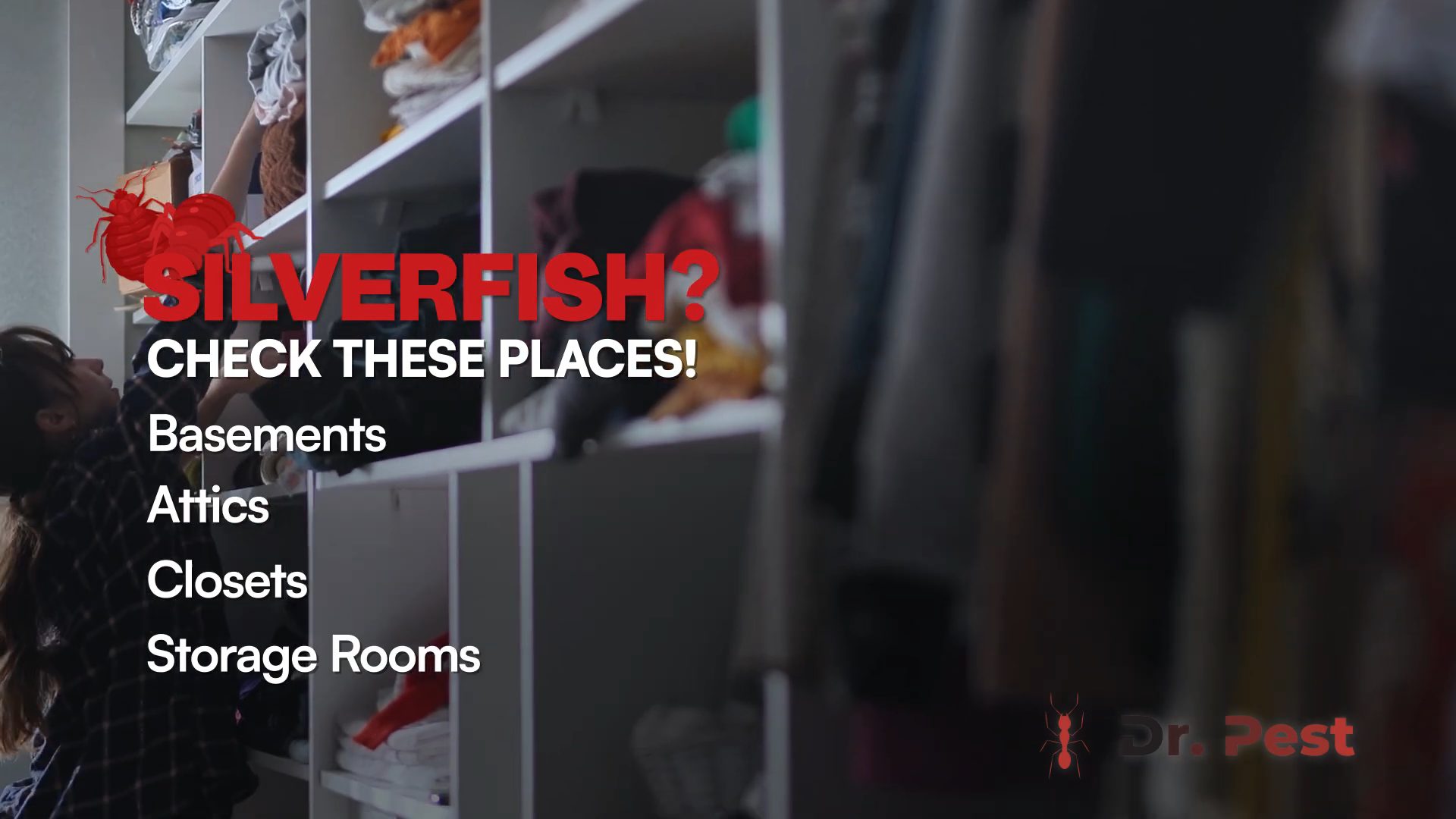
These insects are fast movers, prefer quiet spaces, and enjoy high humidity. They thrive in basements, attics, closets, garages, and anywhere you store boxes. Once they settle in, they can multiply and spread to different parts of your home.
Knowing what attracts silverfish helps you take the right steps to keep them away.
Common Signs of Silverfish Damage
If you want to protect paper from silverfish, you must be able to recognize the early warning signs. The sooner you notice the problem, the easier it is to stop it.
Look for:
- Small irregular holes in paper
- Yellow stains on documents or books
- Shredded edges or thin scratch-like trails on pages
- Paper dust inside storage boxes
- Tiny pepper-like droppings
- Silver-blue insects hiding between pages or in corners
- Shed skins near boxes, shelves, or drawers
These signs usually appear slowly, but they become more visible as the infestation grows. Regularly checking your paper items helps you catch problems early.
Where Silverfish Hide in Your Home
Silverfish prefer dark and humid areas, so they are rarely seen during the day. They hide in small cracks, behind boxes, inside old folders, and in piles of clutter. If your home has moisture problems, these insects will settle quickly.
Their most common hiding spots include:
- Basements with poor ventilation
- Attics filled with old storage containers
- Closets with cardboard boxes
- Bookshelves, especially older or wooden ones
- Bathrooms with high humidity
- Laundry rooms with warm, moist air
- Storage cabinets that are rarely opened
Knowing their favorite hiding places helps you focus your cleaning and prevention efforts.
Why Moisture Control Helps Protect Paper From Silverfish
Silverfish thrive in humid environments. They need moisture to survive and are drawn to wet surfaces, damp cardboard, and musty spaces. Keeping your home dry is one of the simplest ways to protect paper from silverfish.
To reduce moisture:
- Use dehumidifiers in damp rooms
- Fix leaking pipes or dripping faucets
- Improve attic, basement, and crawl space ventilation
- Keep stored items away from walls and floors
- Open windows when possible to allow air circulation
- Avoid storing paper items in damp garages or sheds
A dry environment forces silverfish to look for another home, which helps protect your items.
The Importance of Proper Storage Containers
One of the best ways to protect paper from silverfish is by using the right storage containers. Cardboard boxes attract silverfish because the glue and fibers provide a food source. Instead, choose storage options that do not attract insects.
Good storage choices include:
- Airtight plastic bins
- Metal file cabinets
- Hard plastic document holders
- Sealable archive containers
- Glass or acrylic boxes for special items
When you store papers in airtight containers, silverfish cannot access them. This prevents damage and keeps your items safe for years.
How to Store Books Safely
Books are a favorite target for silverfish. To protect your books:
- Keep bookshelves clean and dust-free
- Avoid stacking books on the floor
- Store books upright rather than laying them flat
- Maintain low humidity in the room
- Use bookshelves made of metal, not untreated wood
- Place acid-free paper between pages of older books
- Keep the area well-lit to discourage insects
If you own rare or valuable books, consider using protective covers or specialized archival boxes.
Why Decluttering Helps Prevent Silverfish
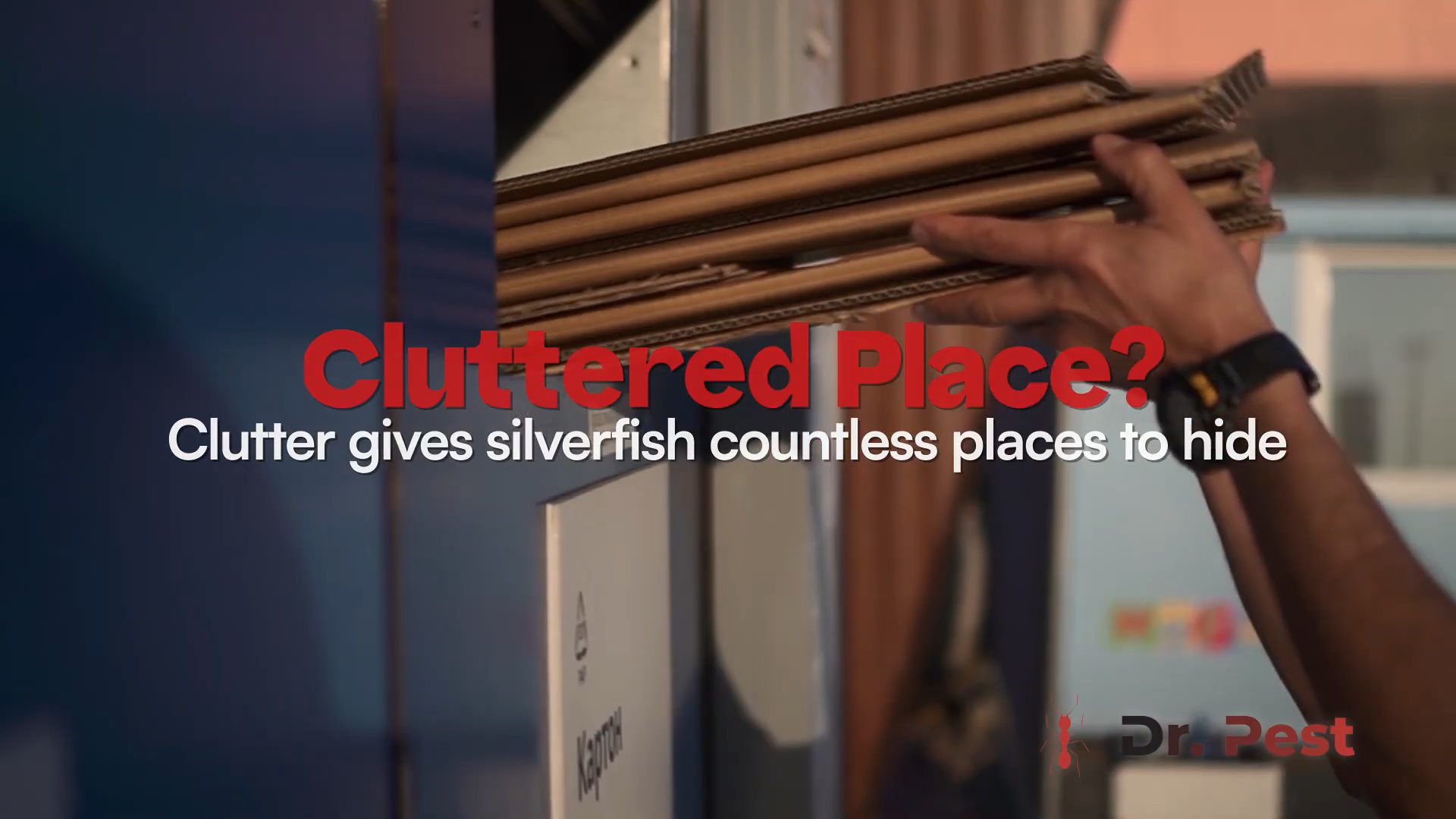
Clutter creates hidden places for silverfish to hide and feed. When storage areas become crowded, insects can move around without being disturbed. Making your space clean and organized helps reduce the risk.
Decluttering tips include:
- Remove old newspapers and magazines you do not need
- Replace cardboard storage boxes with plastic ones
- Avoid stacking too many items in tight corners
- Keep important documents together in labeled containers
- Clear out old junk mail that attracts insects
When your home has fewer hiding spots, silverfish have fewer places to hide.
Natural Repellents That Help Protect Paper From Silverfish
There are several natural products that help repel silverfish. These options are safe and affordable and can be placed near books, storage areas, or documents.
Some natural repellents include:
Cedar Chips
Cedar has a strong scent that silverfish dislike. Place cedar blocks or chips in closets, drawers, or storage containers.
Lavender Sachets
Lavender can repel many insects, including silverfish. Small lavender sachets keep your paper items smelling fresh while discouraging pests.
Cloves
Cloves have a strong aroma that insects avoid. Add a small bag of whole cloves near paper items for extra protection.
Citrus Peels
Silverfish do not like citrus. Dried lemon or orange peels can be placed near bookshelves or boxes.
These natural methods help protect paper from silverfish without chemicals.
Chemical Options for Silverfish Prevention
If natural repellents are not enough, chemical treatments may be needed. Many homeowners use chemical-based sprays, powders, or traps to help keep silverfish away.
Common chemical options include:
- Boric acid powder placed in corners
- Insecticidal dust used around baseboards
- Residual sprays applied in dark, hidden spaces
- Professional-grade treatments for severe infestations
Always follow safety instructions when using chemicals. If you prefer not to use these products yourself, a pest control expert can safely apply them. The EPA provides guidance on silverfish identification and safe control methods to help homeowners choose the right approach.
Sealing Entry Points Around Your Home
Silverfish enter homes through tiny cracks and gaps in walls, foundations, baseboards, or window frames. Sealing these points helps reduce new infestations.
To seal entry points:
- Apply caulk around baseboards and wall cracks
- Repair damaged window screens
- Seal gaps around plumbing pipes
- Fix loose drywall or paneling
- Add weather stripping around doors
A home with fewer openings is more difficult for silverfish to enter.
Cleaning Routines That Help Protect Paper From Silverfish
Regular cleaning helps prevent silverfish from settling in your home. These insects thrive in dusty, dark spaces. Keeping your home clean and bright discourages them.
Helpful cleaning habits include:
- Vacuuming floors and corners weekly
- Dusting shelves, especially bookshelves
- Cleaning storage rooms and closets monthly
- Removing trash often
- Washing bathroom floors and baseboards
- Wiping down storage containers
Keeping your home tidy reduces the conditions silverfish love.
Protecting Artwork, Photos, and Family Documents
Sentimental items like artwork and old photographs are very vulnerable to silverfish. The Library of Congress recommends storing paper-based items in stable, climate-controlled environments using acid-free and archival-quality materials to prevent deterioration from both pests and environmental factors. To keep these items safe:
- Store photos in photo-safe sleeves
- Use acid-free boxes for long-term storage
- Keep artwork in dry, cool rooms
- Place important papers in protective plastic sleeves
- Avoid leaving artwork on the floor or near humid areas
For items with great emotional or financial value, consider keeping backups in digital format.
When Silverfish Damage Has Already Happened
If you have already noticed silverfish damage on paper items, do not panic. You can still do several things to control the situation.
Steps include:
- Move damaged items into airtight containers
- Clean the area where the damage occurred
- Check nearby books and boxes for activity
- Remove clutter from the room
- Inspect for moisture problems
- Consider contacting a pest control professional
Stopping the infestation early prevents more damage and helps protect your remaining items.
When to Call a Professional for Silverfish Control
Some silverfish infestations grow too large for homeowners to handle alone. If you are seeing silverfish often, finding damage in multiple rooms, or noticing them even after trying repellents, you may need professional help. Our residential pest control team can step in with targeted treatments that eliminate silverfish at the source and prevent them from returning.
A pest control expert can:
- Identify where silverfish are hiding
- Treat the home with safe and effective products
- Provide long-term prevention advice
- Help protect paper from silverfish more effectively
Professional treatment is often the quickest way to stop ongoing damage.
Why Protecting Paper From Silverfish Matters
Paper items are a part of your personal history. They hold memories, records, artwork, and valuable information. Losing them to insects can be stressful. Taking steps to protect paper from silverfish helps you keep these items safe.
By controlling humidity, cleaning often, decluttering, using strong storage containers, and checking hidden areas, you can prevent most infestations before they begin. The earlier you take action, the better your chances of saving your belongings.
Keep Your Paper Items Safe With Help From Dr. Pest
Silverfish can destroy your documents, books, archives, and artwork when you least expect it. Learning how to protect paper from silverfish is the first step, but expert support can give you even greater peace of mind. If you want a thorough inspection, professional treatment, or advice on long-term prevention, contact Dr. Pest or call (562) 488-7455. Their team can help keep your home protected from silverfish and other pests so your most important belongings stay safe. Schedule your service today and keep your paper items free from damage.
Leave a Reply