Main Takeaways
- The best mosquito control for yards combines multiple strategies including eliminating standing water, using professional treatments, and maintaining your landscape properly
- Mosquitoes can breed in as little as a bottle cap of water, making regular inspection of your yard essential for preventing infestations
- Professional mosquito control treatments provide immediate relief and lasting protection for outdoor activities throughout the warm months
- Natural methods like removing breeding sites and encouraging mosquito predators work best when combined with targeted chemical treatments
- Peak mosquito activity occurs during dawn and dusk, so timing your outdoor activities and treatments around these periods increases effectiveness
- Southern California’s warm climate allows mosquitoes to remain active year-round, requiring consistent control efforts rather than seasonal treatments
- Mosquitoes can transmit serious diseases including West Nile Virus and Zika, making yard control a health priority beyond just comfort
Why Your Yard Attracts Mosquitoes
Before diving into the best mosquito control for yards, you need to understand what makes your outdoor space so appealing to these pests. Mosquitoes don’t just randomly show up in your yard. They’re drawn there by specific conditions that provide everything they need to survive and reproduce.
Water is the number one attractant. Female mosquitoes lay their eggs in standing water, and those eggs can hatch in just 24 to 48 hours. Even tiny amounts of water work perfectly for mosquito breeding. A clogged gutter, an upturned bottle cap, a birdbath you forgot to change, or a puddle that won’t drain all become mosquito nurseries.
Your yard’s vegetation also plays a role. Mosquitoes rest in tall grass, dense shrubs, and shaded areas during the hottest parts of the day. The more overgrown and shady your yard is, the more comfortable mosquitoes will be spending time there. They particularly love areas where plants hold moisture after watering or rain.
In Long Beach, Seal Beach, Huntington Beach, Torrance or Newport Beach? Dr. Pest works these cities every week. Call (562) 488-7455 for a free inspection and a written quote before any work starts, or see the city we cover nearest you.
Carbon dioxide attracts mosquitoes from surprisingly far distances. Every time you breathe out, you’re sending a signal that draws mosquitoes toward you. While you can’t stop breathing, understanding this attraction helps explain why mosquitoes seem to find you the moment you step outside.
Body heat and certain odors also make you a target. Mosquitoes detect heat signatures and are attracted to lactic acid, uric acid, and ammonia released through your sweat. This is why mosquitoes seem worse when you’re active outdoors rather than sitting still.
Eliminating Mosquito Breeding Sites
The foundation of the best mosquito control for yards starts with removing places where mosquitoes can breed. This proactive approach prevents thousands of mosquitoes from ever developing in the first place.
Walk your property weekly looking for any container or depression that holds water. Empty flower pots, kids’ toys, tire swings, wheelbarrows, and decorative containers all collect rainwater. Dump these out regularly or store them upside down so water can’t accumulate.
Check your gutters monthly. Clogged gutters create perfect mosquito breeding grounds because the water sits stagnant and is protected from disturbance. Clean gutters allow water to flow properly away from your home, eliminating this breeding site while also protecting your foundation.
Maintain birdbaths and pet water bowls by changing the water at least twice weekly. Mosquito eggs need a few days to develop into larvae, so frequent water changes interrupt their life cycle. If you have decorative ponds or water features, consider adding a fountain or pump to keep the water moving, since mosquitoes prefer still water.
Fill in low spots in your yard where puddles form after rain. These depressions might seem harmless, but they hold water long enough for mosquitoes to complete their development. Add soil to level these areas so water drains away naturally.
According to the Centers for Disease Control and Prevention, controlling mosquitoes before they become adults is one of the most effective ways to reduce mosquito populations around your home.
Landscape Management Techniques
How you maintain your yard significantly impacts mosquito populations. Smart landscaping creates an environment that’s less hospitable to these pests while keeping your outdoor space beautiful.
Mow your lawn regularly and keep grass at a reasonable height. Mosquitoes rest in tall grass during the day, so a well-maintained lawn gives them fewer places to hide. Pay special attention to areas along fences, around trees, and near shrubs where grass tends to grow taller.
Trim shrubs and bushes to improve air circulation. Dense vegetation creates the shady, humid microclimates that mosquitoes love. Pruning opens up these areas to sunlight and airflow, making them less attractive to mosquitoes looking for daytime resting spots.
Remove leaf litter, grass clippings, and other organic debris regularly. These materials hold moisture and provide additional hiding spots for adult mosquitoes. Composting is great for your garden, but keep compost piles away from areas where you spend time outdoors.
Consider your plant selection carefully. While mosquitoes don’t necessarily feed on plants, some plants hold more moisture and create denser shade than others. Native plants adapted to your climate often require less watering, which means less standing water and fewer mosquito-friendly conditions.
Create physical distance between heavily vegetated areas and your outdoor living spaces. If possible, design your yard so patios, decks, and seating areas have some clearance from dense plantings. This buffer zone reduces the number of mosquitoes resting nearby when you’re trying to enjoy your yard.
Professional Mosquito Treatment Options
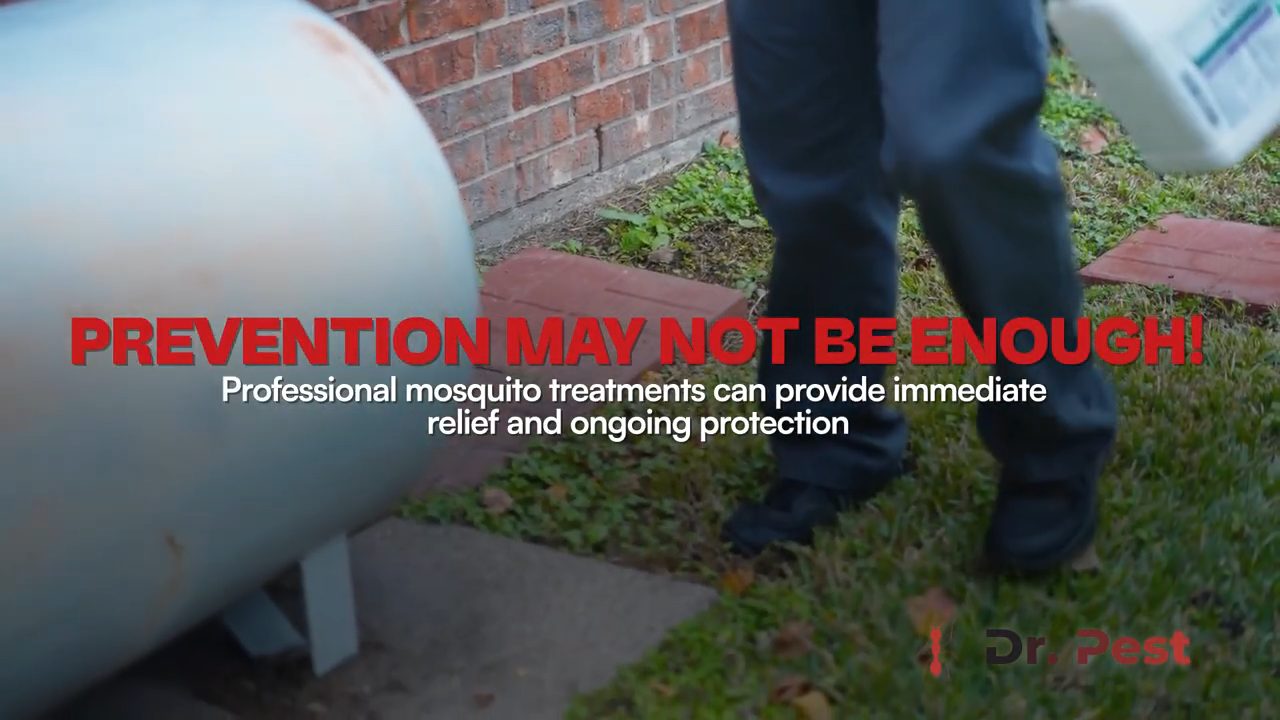
While prevention methods help, they rarely eliminate mosquito problems completely. Professional treatments offer the most effective mosquito control for yards, especially during peak mosquito season.
Barrier sprays create a protective shield around your property. Technicians apply EPA-approved insecticides to vegetation, fences, under decks, and other areas where mosquitoes rest. These treatments kill mosquitoes on contact and provide residual protection for several weeks. Most professional services recommend treatments every 21 to 30 days during mosquito season.
Fogging treatments quickly knock down adult mosquito populations for special events. If you’re planning an outdoor wedding, party, or gathering, a fogging treatment the day before provides immediate relief. While not as long-lasting as barrier sprays, fogging is perfect for creating a mosquito-free zone for important occasions.
Larvicide treatments target mosquitoes before they become flying adults. Professionals apply products to areas with standing water that can’t be drained, like decorative ponds, rain barrels, or drainage ditches. These treatments prevent larvae from developing into adult mosquitoes without harming fish, birds, or other wildlife.
Mosquito misting systems offer automated protection for homeowners who want continuous coverage. These systems install around the perimeter of your yard and release timed mist applications throughout the day. While more expensive upfront, they provide consistent protection with minimal ongoing effort.

Natural and Organic Control Methods
Many homeowners prefer starting with natural approaches before moving to chemical treatments. While these methods alone might not provide complete control, they work well as part of a comprehensive strategy.
Mosquito dunks are organic larvicides that you place in standing water. They contain a bacteria called BTI that specifically targets mosquito larvae without affecting other organisms. Use these in rain barrels, ponds, fountain basins, and other water features you can’t drain. One dunk typically lasts 30 days and treats up to 100 square feet of water surface.
Encourage natural predators that feed on mosquitoes. Bats, dragonflies, birds, and certain fish all consume mosquitoes at various life stages. Installing bat houses, maintaining dragonfly-friendly pond habitats, and adding mosquito fish to water features creates a natural control system that works 24/7.
Plant mosquito-repelling herbs and flowers around outdoor seating areas. While plants alone won’t solve a mosquito problem, varieties like citronella grass, lavender, marigolds, and basil contain compounds that mosquitoes dislike. The oils in these plants are most potent when you crush the leaves, releasing the aromatic compounds.
Fans provide surprisingly effective mosquito control for patios and decks. Mosquitoes are weak fliers that struggle in even moderate wind. A couple of oscillating fans create enough air movement to keep mosquitoes from landing on you while you’re sitting outside. This low-tech solution costs almost nothing to run and provides immediate relief.
Understanding Treatment Timing
Timing is crucial when implementing the best mosquito control for yards. Mosquitoes follow predictable patterns that smart homeowners can exploit.
Dawn and dusk are peak feeding times for most mosquito species. If you can only treat your yard once, schedule it for late afternoon before the evening mosquito rush. This timing provides maximum protection during the hours when mosquitoes are most active and you’re most likely to be outdoors.
In Southern California, mosquito season essentially runs year-round due to the mild climate. However, populations peak during warmer months when breeding cycles accelerate. Starting professional treatments in early spring prevents populations from building up rather than trying to control an established infestation later.
After rain, mosquito breeding accelerates because of increased standing water. Schedule a yard inspection within a few days of any significant rainfall to dump new water accumulations before mosquito eggs can develop. If you use professional services, you might need additional treatments after particularly wet periods.
Protecting Yourself While Enjoying Your Yard
Even with excellent yard control, you’ll still encounter mosquitoes occasionally. Personal protection methods help you enjoy your outdoor space with minimal bites.
Timing your activities makes a difference. Since mosquitoes are most active during dawn and dusk, planning outdoor activities for mid-morning or afternoon reduces exposure. If you must be outside during peak hours, take extra precautions.
Wearing appropriate clothing creates a physical barrier. Long sleeves and pants in light colors help because mosquitoes are attracted to dark colors and can bite through thin fabrics. Loose-fitting clothes work better than tight garments because mosquitoes struggle to bite through fabric that doesn’t rest directly against your skin.
Personal repellents provide targeted protection when you’re in your yard. Products containing DEET, picaridin, or oil of lemon eucalyptus effectively repel mosquitoes for several hours. Apply these to exposed skin and clothing, following label directions for safe use.
Create mosquito-free zones using citronella candles, torches, or coils around seating areas. While their effectiveness is limited to a small radius and they work best in low-wind conditions, they add an extra layer of protection for outdoor dining or relaxing.
Technology and Innovations
Modern mosquito control has advanced beyond simple sprays and bug zappers. Understanding current technology helps you choose the best mosquito control for yards based on the latest innovations.
Mosquito traps that use carbon dioxide, heat, and chemical attractants lure mosquitoes away from people. These devices mimic human breath and body heat to draw mosquitoes in, then trap or kill them. While expensive, they can significantly reduce mosquito populations when strategically placed around your yard.
Smart mosquito control systems connect to weather apps and automatically adjust treatment schedules based on conditions. These systems spray more frequently during warm, humid weather when mosquitoes breed rapidly, and reduce applications during cooler, drier periods. This targeted approach uses less product while maintaining protection.
Genetic and biological controls are emerging technologies that target specific mosquito species without affecting other insects. While not yet widely available for home use, these innovations show promise for future mosquito management that’s both effective and environmentally friendly.
The Environmental Protection Agency provides updated information about approved mosquito control methods and products, helping homeowners make informed choices about yard treatments.
Common Mistakes to Avoid
Even with the best intentions, homeowners often make mistakes that undermine their mosquito control efforts. Avoiding these common errors improves your results.
Relying solely on bug zappers wastes electricity and kills beneficial insects while barely impacting mosquito populations. Studies show that less than 1% of insects killed by bug zappers are mosquitoes. Save your money and focus on proven methods instead.
Treating your yard once and expecting permanent results doesn’t work. Mosquitoes are constantly moving into your area from neighboring properties and natural areas. Consistent, repeated treatments throughout the warm months provide the ongoing protection you need.
Ignoring your neighbors’ yards limits your success. If the property next door has standing water and overgrown vegetation, mosquitoes breeding there will constantly invade your space. While you can’t control what neighbors do, you can encourage community-wide mosquito control efforts that benefit everyone.
Using too much product or applying it incorrectly wastes money and potentially harms beneficial insects. Always follow label directions for proper application rates and methods. More isn’t better when it comes to mosquito control products.
Seasonal Considerations for Year-Round Protection
While mosquito activity fluctuates throughout the year, Southern California’s mild climate means you can’t simply forget about mosquitoes during winter months.
Spring preparation prevents summer problems. As temperatures warm, check your entire yard for winter water accumulation in gutters, plant saucers, and low spots. Remove any mosquito breeding sites before the first generation of mosquitoes emerges and starts the breeding cycle.
Summer requires maximum effort because warm temperatures accelerate mosquito breeding. A female mosquito can go from egg to adult in as little as seven days when conditions are ideal. Intensify your prevention efforts and maintain regular professional treatments throughout the hottest months.
Fall brings some relief as temperatures drop, but mosquitoes remain active in Southern California well into autumn. Continue treatments and prevention efforts until you see sustained cooler temperatures that naturally suppress mosquito activity.
Winter monitoring identifies potential trouble spots for the following year. Use the cooler months to make landscape improvements, repair drainage issues, and plan your mosquito control strategy for the coming warm season.
Reclaim Your Yard with Dr. Pest
You deserve to enjoy your outdoor space without constantly swatting mosquitoes or retreating indoors. Understanding the best mosquito control for yards is the first step, but implementing an effective program requires expertise, the right products, and consistent effort.
Dr. Pest provides professional residential mosquito control services throughout Southern California, from Long Beach to Huntington Beach. Our experienced technicians understand the unique challenges that Southern California’s climate presents and use proven methods to dramatically reduce mosquito populations around your home.
We begin with a thorough inspection of your property to identify breeding sites and resting areas. Our team doesn’t just spray and leave. We provide recommendations for eliminating standing water and making landscape modifications that support long-term mosquito control. This comprehensive approach addresses both immediate problems and underlying conditions that attract mosquitoes.
Our treatments use EPA-approved products that are effective against mosquitoes while remaining safe for your family and pets. We apply barrier treatments to vegetation, fences, and structures where mosquitoes rest during the day, creating a protective zone around your outdoor living areas. The residual protection lasts for weeks, giving you extended relief between treatments.
As part of our comprehensive residential pest control services, we offer customized mosquito management programs that fit your property’s specific needs and your budget. Whether you need one-time treatment for a special event or ongoing seasonal protection, we create a plan that works for you.
We also provide commercial pest control services for businesses that want to protect their customers and employees from mosquito problems. Restaurants with patios, hotels with pool areas, and any business with outdoor spaces benefit from our professional mosquito control treatments.
Don’t let mosquitoes keep you prisoner inside your own home. Contact Dr. Pest today at (562) 488-7455 to schedule your free consultation and property assessment. Our friendly team will evaluate your yard, explain your treatment options, and provide a customized quote for mosquito control services.
Take back your outdoor space and enjoy Southern California living the way it should be enjoyed. With Dr. Pest’s professional mosquito control protecting your yard, you can host barbecues, play with your kids, and relax on your patio without the constant annoyance and health risks that mosquitoes bring. Call us now and start enjoying a mosquito-free yard.
Leave a Reply