
When it comes to pests in the home, beetles and bed bugs can be easily mistaken for one another. Both are small, dark, and can appear in surprising places, which makes it difficult to tell them apart at a glance.
However, the “beetle vs bed bug” question is one that many people need help with, especially since the approach to managing each pest differs significantly.
We’ll break down the main differences between beetles and bed bugs, how to identify them, and what to do if you encounter either in your home.
In Long Beach, Seal Beach, Huntington Beach, Torrance or Newport Beach? Dr. Pest works these cities every week. Call (562) 488-7455 for a free inspection and a written quote before any work starts, or see the city we cover nearest you.
What Is the Difference Between a Beetle and a Bed Bug?
Although they may look similar at first, beetles and bed bugs are vastly different in terms of their anatomy, behavior, and the risks they pose to humans. Beetles belong to a large family of insects with hard wing cases, and they come in a wide variety of species. Bed bugs, on the other hand, are parasitic insects that feed on the blood of humans and animals, making them a much more concerning pest.
Beetle vs Bed Bug: Appearance
One of the most common ways to differentiate between a beetle and a bed bug is by examining their physical features. Although they’re both small and dark, there are tell-tale signs that can help you identify each.
Beetle Appearance
Beetles have hard, shiny wing covers that often appear dome-like and come in various colors, including brown, black, and even metallic. They can range in size, with some species being as small as a grain of rice, while others are over an inch long. Beetles also have a distinctive pair of antennae and can fly, which sets them apart from bed bugs.
Bed Bug Appearance
Bed bugs are usually reddish-brown, flat, and oval-shaped with no wing covers. Adult bed bugs are about the size of an apple seed and are unable to fly, which differentiates them from most beetle species. Their lack of wings and unique body shape make them easily identifiable once you know what to look for.
Beetle vs Bed Bug: Habitats
Both beetles and bed bugs can be found indoors, but they have different preferences when it comes to their habitats.
Where Do Beetles Live?
Beetles are found both inside and outside homes. They often prefer areas like pantries, basements, and attics, especially if there is a food source nearby. Grain beetles, for example, are commonly found in stored food items. Carpet beetles prefer natural fibers, so they may inhabit carpets, upholstery, or clothing.
Where Do Bed Bugs Live?
Bed bugs are typically found in sleeping areas, particularly in beds, mattresses, and box springs. They prefer tight, dark spaces close to their food source, which is why they tend to hide in cracks and crevices near where humans sleep or rest. Bed bugs can also be found in other furniture, behind baseboards, or in wall voids.
Beetle vs Bed Bug: Behavior and Habits
Understanding the behavior of beetles and bed bugs can further help in distinguishing between the two.
Beetle Behavior
Beetles are generally not interested in human blood or skin. They are more likely to be attracted to food sources such as grains, wood, fabric, or other organic materials. While some beetles, like carpet beetles, may cause damage to household items, they are not harmful to humans directly. Beetles are also more active during the day and tend to fly or crawl around in search of food.
Bed Bug Behavior
Bed bugs are nocturnal parasites, meaning they are most active at night and primarily feed on human blood. They hide during the day and come out at night to feed, leaving behind itchy red bite marks. Their behavior makes them particularly hard to detect and often requires professional intervention for complete removal.
Beetle vs Bed Bug: Signs of Infestation
Spotting the signs of an infestation early can help you prevent further problems. Here’s what to look for when identifying beetles vs. bed bugs in your home.
Signs of a Beetle Infestation
Beetle infestations can often be spotted by seeing adult beetles crawling around areas with food or fabric. You may notice damage to grains, carpets, or wood. For example, carpet beetles can leave small, round holes in natural fibers, while grain beetles may be found inside food packaging.
Signs of a Bed Bug Infestation
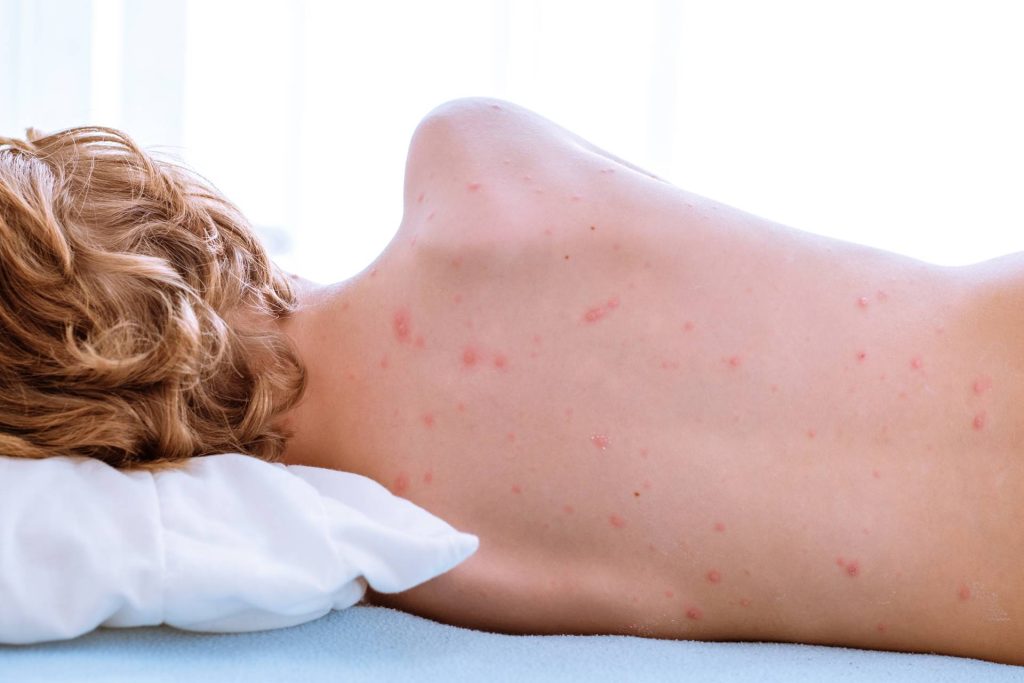
Bed bug infestations are often more discreet. Common signs include small, rust-colored stains on bedding (from crushed bed bugs), dark spots of bed bug excrement, and the presence of shed skins. Bed bug bites, which appear as small red welts, are often a sign that you may have an infestation.
Health Risks: Beetles vs Bed Bugs
Both beetles and bed bugs can pose risks, but the type of risk they bring into your home is different.
Health Risks Associated with Beetles
While beetles do not bite or feed on humans, some species can cause allergic reactions or irritation. Carpet beetle larvae, for instance, have tiny hairs that can trigger allergic reactions in some people. Additionally, food-contaminating beetles can introduce bacteria, making proper food storage essential.
Health Risks Associated with Bed Bugs
Bed bugs are parasitic, feeding on human blood, which can lead to itching, red welts, and even allergic reactions. While they are not known to transmit diseases, the bites can cause discomfort and, in severe cases, lead to sleep disturbances or anxiety.
Preventing Beetle vs Bed Bug Infestations
Prevention is key when it comes to both beetles and bed bugs. By following a few simple steps, you can significantly reduce the chances of encountering these pests.
Preventing Beetles
To prevent beetles, it’s essential to keep your home clean and store food in airtight containers. Regular vacuuming can also help remove food particles and eggs that may attract beetles. Seal cracks and crevices where beetles may enter, and inspect any fabrics or plants you bring into your home to avoid introducing beetles indoors.
Preventing Bed Bugs
Preventing bed bugs is more challenging, as they can be brought into the home unknowingly. Inspect any used furniture or clothing before bringing it inside, and avoid placing luggage on beds or floors when staying in hotels. Regularly inspect bedding and mattresses for signs of bed bugs and consider using mattress protectors.
In addition to direct infestations, both beetles and bed bugs can contribute to indoor environmental concerns. Beetle larvae and shed skins may trigger respiratory sensitivities in individuals with asthma or allergies, while bed bug allergens can accumulate in bedding and upholstery over time.
Regular home inspections and monitoring for early signs of pests can help identify problems before they escalate. Incorporating integrated pest management practices, such as proper sanitation, humidity control, and sealing potential entry points, can significantly reduce the likelihood of infestations and minimize long-term health risks.
How to Treat Beetle vs Bed Bug Infestations
Once an infestation is identified, quick action is essential. However, the treatment methods for beetles and bed bugs are different due to their distinct behaviors and habitats.
Treating a Beetle Infestation
For beetle infestations, start by thoroughly cleaning the affected area, discarding infested food, and vacuuming carpets or fabrics. In some cases, an insecticide may be necessary, particularly if the infestation is severe. However, professional pest control services can provide targeted solutions to eliminate beetles without risking the health of your household.
Treating a Bed Bug Infestation
Bed bug infestations require a more strategic approach. Professional pest control is often necessary to ensure the complete removal of bed bugs, as they hide in cracks and crevices that are hard to reach. Treatments may include chemical applications, heat treatments, or a combination of both to eradicate bed bugs from your home.
Choosing the Right Pest Control Solution: Dr. Pest
When it comes to effective pest management, choosing the right solution for your specific problem is essential. Whether you’re dealing with beetles that threaten your food or fabric items or bed bugs that disturb your peace, professional pest control services can help you eliminate these pests and prevent them from returning.
Dr. Pest offers expert pest control solutions tailored to your needs, ensuring that beetles, bed bugs, and other pests are safely removed from your home. Contact us today to schedule an inspection and take the first step toward a pest-free environment.
Leave a Reply