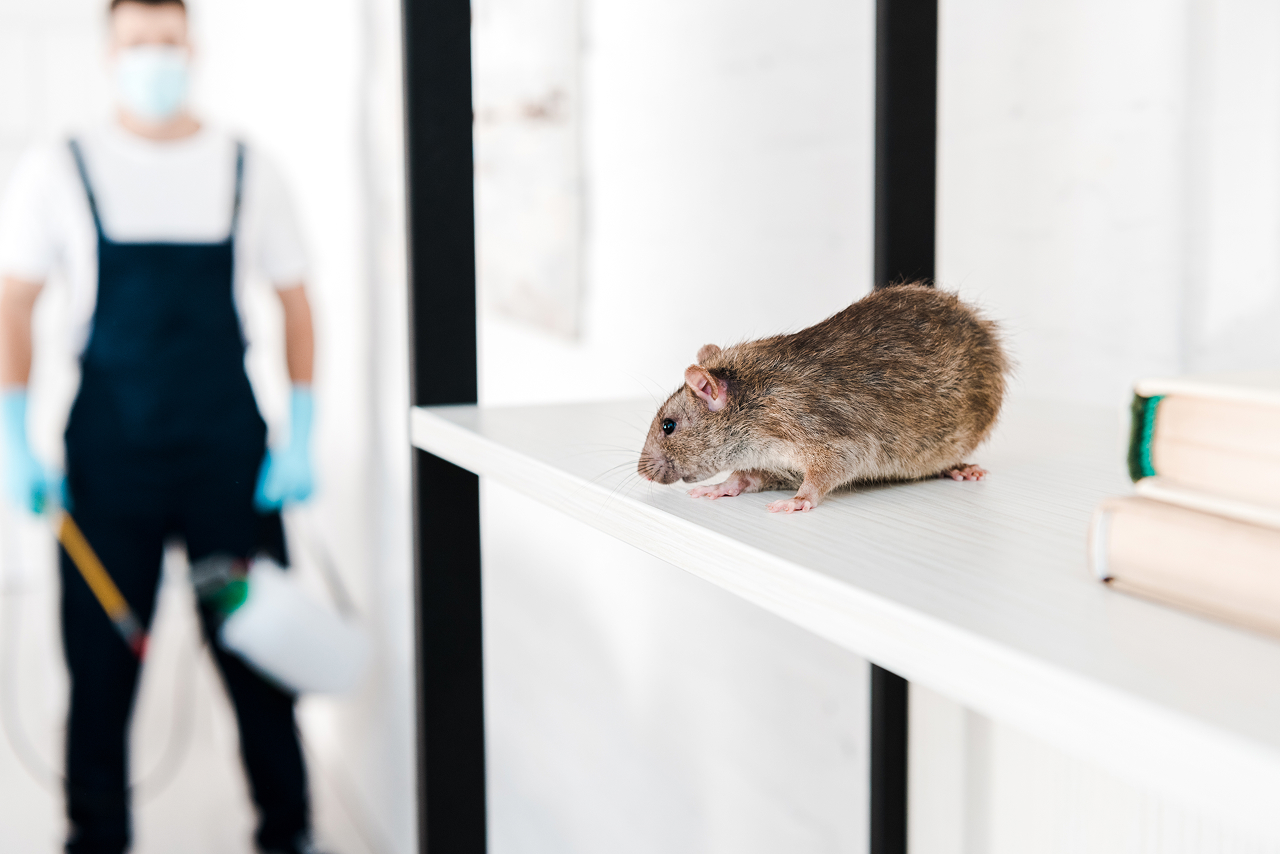
You start the car and the check-engine light comes on. Or the mechanic opens the hood and finds chewed wiring, a nest of leaves and shredded insulation on top of the engine, and droppings on the engine cover. In Long Beach, Torrance and the beach cities, that usually means rats, and it happens most once the nights cool down in the fall.
The University of California’s pest management program puts it plainly: rats commonly gnaw on the insulation around engine wires in cars, and that can lead to significant malfunctions and expensive repairs. The car is rarely the whole problem, though. A rat in the engine bay almost always has a home nearby, and usually it is your garage, your attic or the trees and ivy right next to the driveway.
Here is why it happens this time of year, the signs to look for, and how to stop it coming back.
In Long Beach, Seal Beach, Huntington Beach or Torrance? Dr. Pest works these cities every week. Call (562) 488-7455 for a free inspection and a written quote before any work starts, or see how our rodent control works.
Why rats get into cars in the fall
As the nights get cooler in October and November, rats and mice move out of yards, trees and storm drains looking for shelter. A garage is an easy target, and a car parked in it, or in a driveway under a tree, is a sheltered spot with plenty of material to nest in and wiring to chew.
Roof rats, the kind that live in trees, ivy and attics, are the ones we see most around older Long Beach and Torrance neighborhoods with mature trees. They climb well, they travel along fences and tree limbs, and they will happily forage on the ground at night before going back up. Norway rats live lower, in burrows, sewers and under slabs, and they turn up more around alleys, trash enclosures and older garages.
Signs a rat has been in your car
- A check-engine or warning light right after the car has been parked for a while
- Chewed or stripped wiring, hoses or the air filter when the hood is opened
- Leaves, twigs, shredded paper or insulation packed on top of the engine or in the air intake
- Droppings on the engine cover, the battery or the floor of the garage under the car
- Gnawed pet food bags, bird seed or stored items in the garage
- Scratching in the garage ceiling or the attic at night
If you see any of those, have the car checked by a mechanic first. Chewed wiring is a repair job, and it is worth fixing before it causes a bigger fault. Then deal with where the rat is living, or it will be back.
How to stop rats from getting into the car
Most of what works is about the garage and the yard, not the car itself. The University of California’s rat guidance lines up with what we see on the job:
- Close the gaps. Rats, especially young ones, can squeeze under a door with only a half-inch gap, and they will gnaw a wooden door to make the gap bigger. Openings larger than a quarter inch around pipes, wires and vents are worth sealing.
- Cut back the bridges. Tree limbs within about six feet of the roof give roof rats a way up. Ivy, star jasmine and honeysuckle on fences and walls give them cover and a highway.
- Take away the food. Pick up fallen fruit, especially avocados and citrus, and keep pet food, bird seed and garbage in containers with tight lids.
- Keep the garage door down. A garage left open in the evening is an invitation.
Spraying repellent around the engine or leaving a light on under the hood can buy you a few quiet nights, but it does not touch the rats living in the garage, the attic or the trees.
What we do
We do not work on the car. We deal with where the rats are coming from. On a rodent call we inspect the garage, the attic and the outside of the house, find where they are getting in and what is drawing them, and give you the findings and the quote in writing before any work starts.
Trapping clears the rats that are already inside. Exclusion, meaning sealing the entry points, screening the vents and closing the roofline gaps, is the part that stops the next one. Once we have sealed your home, if rodents get back in within 12 months we come back and fix it at no charge.
If you are also hearing noises overhead, our guide to rats in a Long Beach attic covers what happens after they move in.
Where we see it most
Long Beach. Older neighborhoods with mature trees and alley garages, where roof rats move between yards along fences and limbs. See our Long Beach pest control page.
Torrance. The post-war tracts in Walteria, Southwood and West Torrance, where decades of tree growth means limbs touching rooflines everywhere. See our Torrance pest control page.
Seal Beach and Huntington Beach. Old Town cottages on raised foundations, garages opening onto narrow alleys, and homes close enough together that a gap on one feeds the next. See our Seal Beach and Huntington Beach pages.
Questions people ask
Will car insurance cover rat damage to wiring?
Sometimes. It depends on your policy, so ask your insurer. Either way, fixing the car without dealing with the rats usually means paying twice.
Do I need to do anything to the car itself?
Have a mechanic repair any damage and clear out nesting material from the engine bay and air intake. After that, the fix is the garage and the house.
How fast can you come out?
Same-day service is available on weekdays for most calls, and the inspection is free.
Rats in the garage or the car in Long Beach, Seal Beach, Huntington Beach or Torrance? Call Dr. Pest at (562) 488-7455 for a free inspection and a written quote before any work starts.
Source for rat behavior and exclusion guidance: University of California Statewide IPM Program, Pest Notes: Rats.
Leave a Reply