
Introduction
A pest problem doesn’t usually begin with a mouse running across the floor or a customer spotting a cockroach.
In most commercial buildings, infestations start quietly. Rodents, cockroaches, ants, and other pests often establish themselves long before business owners realize there’s an issue.
Unfortunately, by the time pests become obvious, they may have already caused property damage, contaminated inventory, or affected your business’s reputation.
In Long Beach, Seal Beach, Huntington Beach, Torrance or Newport Beach? Dr. Pest works these cities every week. Call (562) 488-7455 for a free inspection and a written quote before any work starts, or see the city we cover nearest you.
Whether you operate a restaurant, office, warehouse, medical facility, retail store, apartment complex, or industrial building, recognizing the early warning signs of pest activity can help prevent larger—and more expensive—problems.
In this guide, we’ll cover seven signs your business may have a developing pest problem and explain why early intervention is one of the best investments you can make.
What You’ll Learn
- Early signs of commercial pest activity
- Why businesses often miss infestations
- Common pests found in Southern California commercial properties
- The risks of waiting too long
- How ongoing commercial pest management protects your business

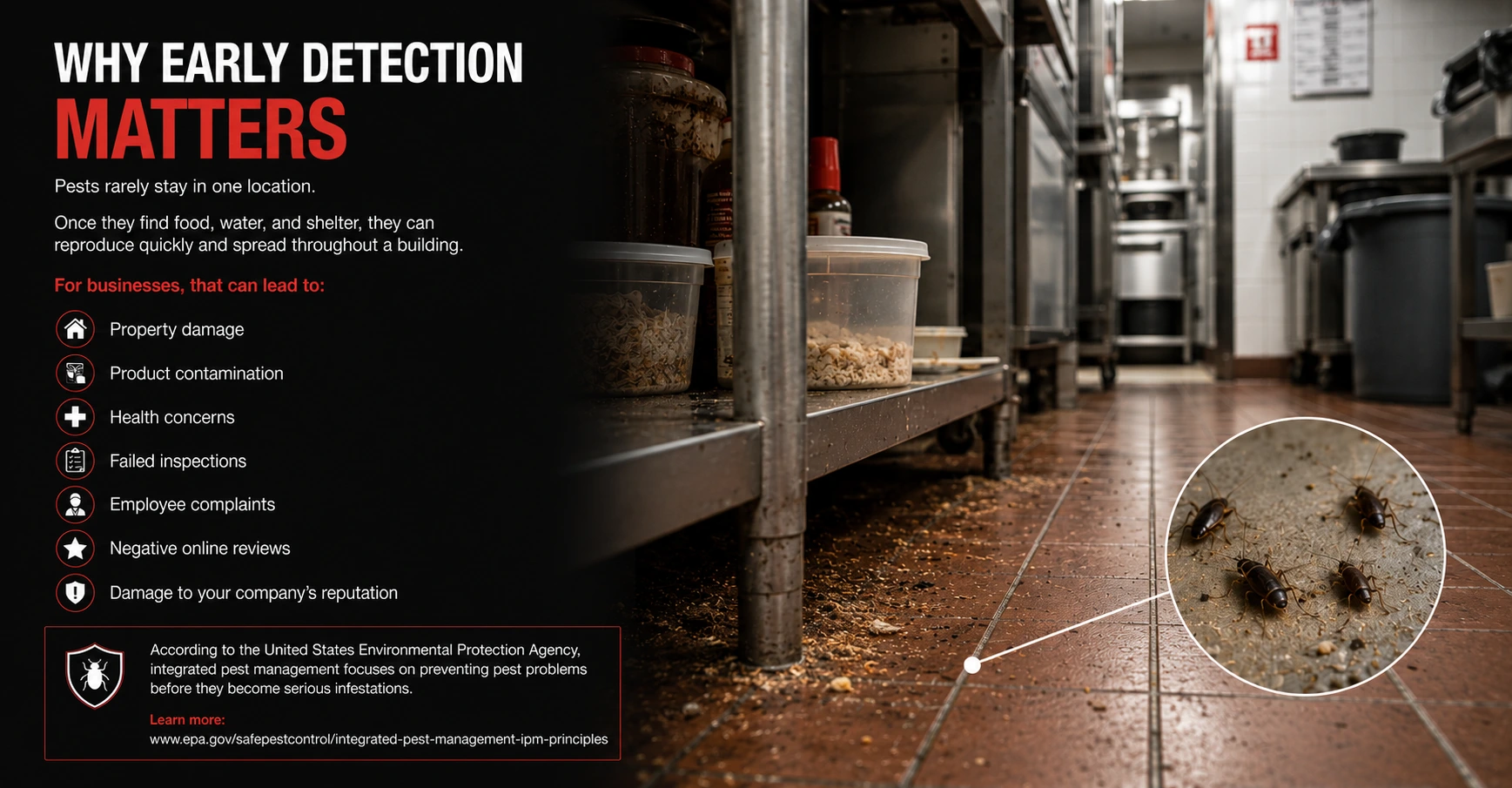
Why Early Detection Matters
Pests rarely stay in one location.
Once they find food, water, and shelter, they can reproduce quickly and spread throughout a building.
For businesses, that can lead to:
- Property damage
- Product contamination
- Health concerns
- Failed inspections
- Employee complaints
- Negative online reviews
- Damage to your company’s reputation
According to the United States Environmental Protection Agency, integrated pest management focuses on preventing pest problems before they become serious infestations.
Learn more:
https://www.epa.gov/safepestcontrol/integrated-pest-management-ipm-principles
1. Employees Are Seeing More Pests Than Usual
One insect may not indicate a major problem.
Repeated sightings often do.
If employees regularly report seeing:
- Ants
- Cockroaches
- Rodents
- Flies
- Spiders
it’s time to investigate before the issue grows.
Encourage employees to report sightings rather than assuming someone else already has.

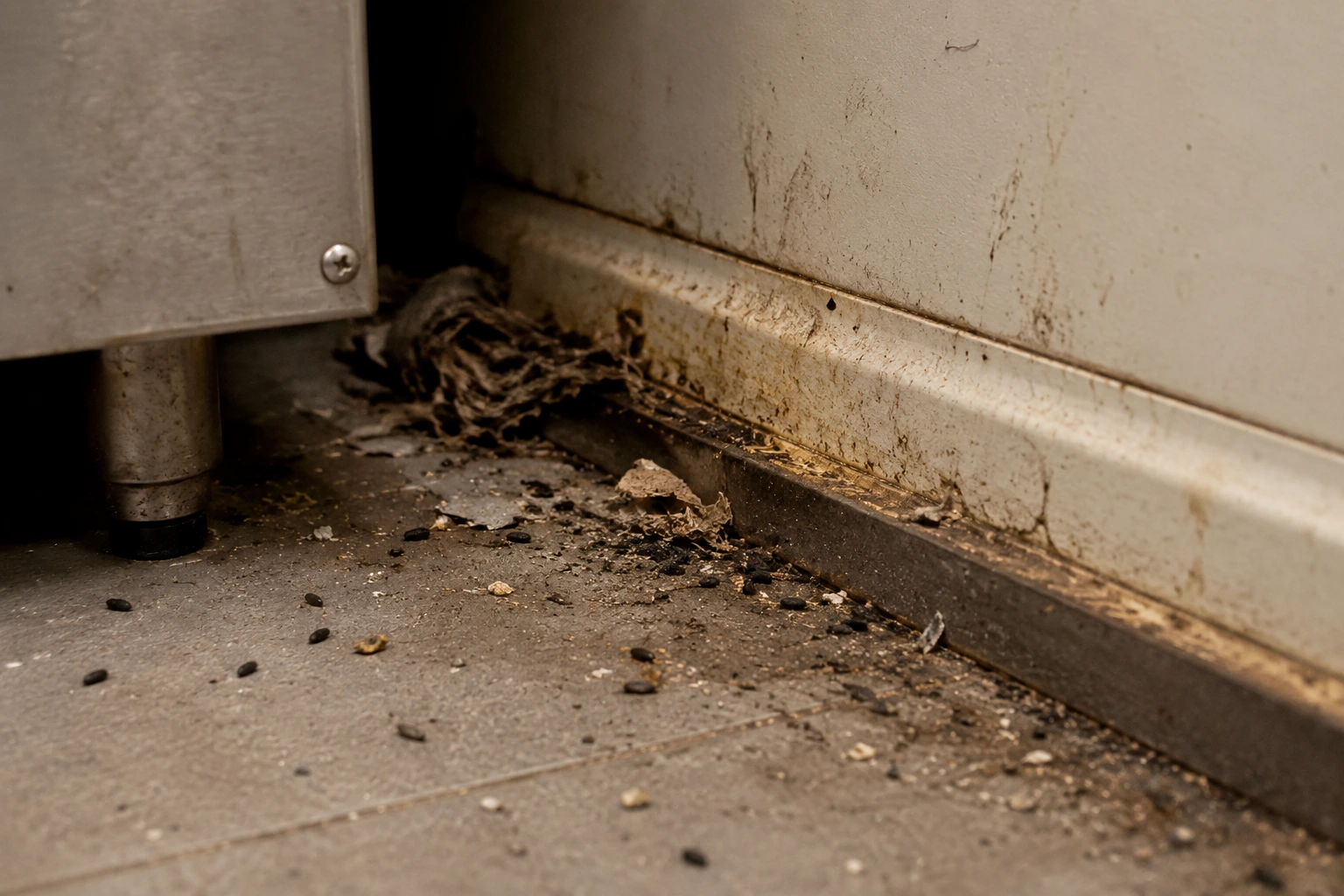
2. You Notice Droppings or Other Evidence
Many pests remain hidden during business hours.
Instead, they leave behind signs such as:
- Rodent droppings
- Grease marks
- Gnaw marks
- Shed insect skins
- Nesting materials
These signs often appear before pests themselves are seen.
A professional inspection can help determine both the type of pest and the extent of the infestation.
3. Strange Odors Develop
Persistent musty or unpleasant odors may indicate hidden pest activity.
Rodents, cockroaches, and other pests can create noticeable odors as populations grow.
If unusual smells remain after normal cleaning, they should be investigated rather than ignored.

4. Your Building Has Small Entry Points
Many commercial pests only need a very small opening to enter a building.
Common entry points include:
- Utility penetrations
- Damaged weather stripping
- Loading dock doors
- Roof openings
- Cracks around foundations
- Gaps beneath doors
Identifying and sealing these areas is an important part of preventing future infestations.

5. Customers Are Beginning to Notice
This is the point every business wants to avoid.
A single customer spotting a pest can quickly become:
- A negative online review
- A social media post
- A complaint to management
- Lost trust
For businesses in food service, healthcare, hospitality, and retail, protecting customer confidence is just as important as eliminating pests.

6. You See Increased Pest Activity After Business Hours
Many commercial pests are nocturnal.
Activity often increases:
- Early in the morning
- Late at night
- After employees leave
If staff members opening or closing the business begin reporting pest sightings, it’s a strong indication that populations may be increasing.

7. You’ve Had Pest Problems Before
Previous infestations often increase the likelihood of future problems if the underlying conditions haven’t been corrected.
Businesses that have experienced recurring issues benefit from routine inspections and preventative pest management programs.
Monitoring is often much easier—and less expensive—than responding to a large infestation.

What Happens If You Ignore a Commercial Pest Problem?
Waiting rarely improves the situation.
Instead, infestations often become larger, more expensive, and more disruptive.
Ignoring early warning signs can lead to:
- Damage to inventory
- Equipment damage
- Structural damage
- Regulatory concerns
- Lost customers
- Increased treatment costs
Early intervention typically requires less time and fewer resources than addressing a well-established infestation.

What Businesses Can Do to Reduce Pest Risks
Preventing pests requires more than occasional treatments.
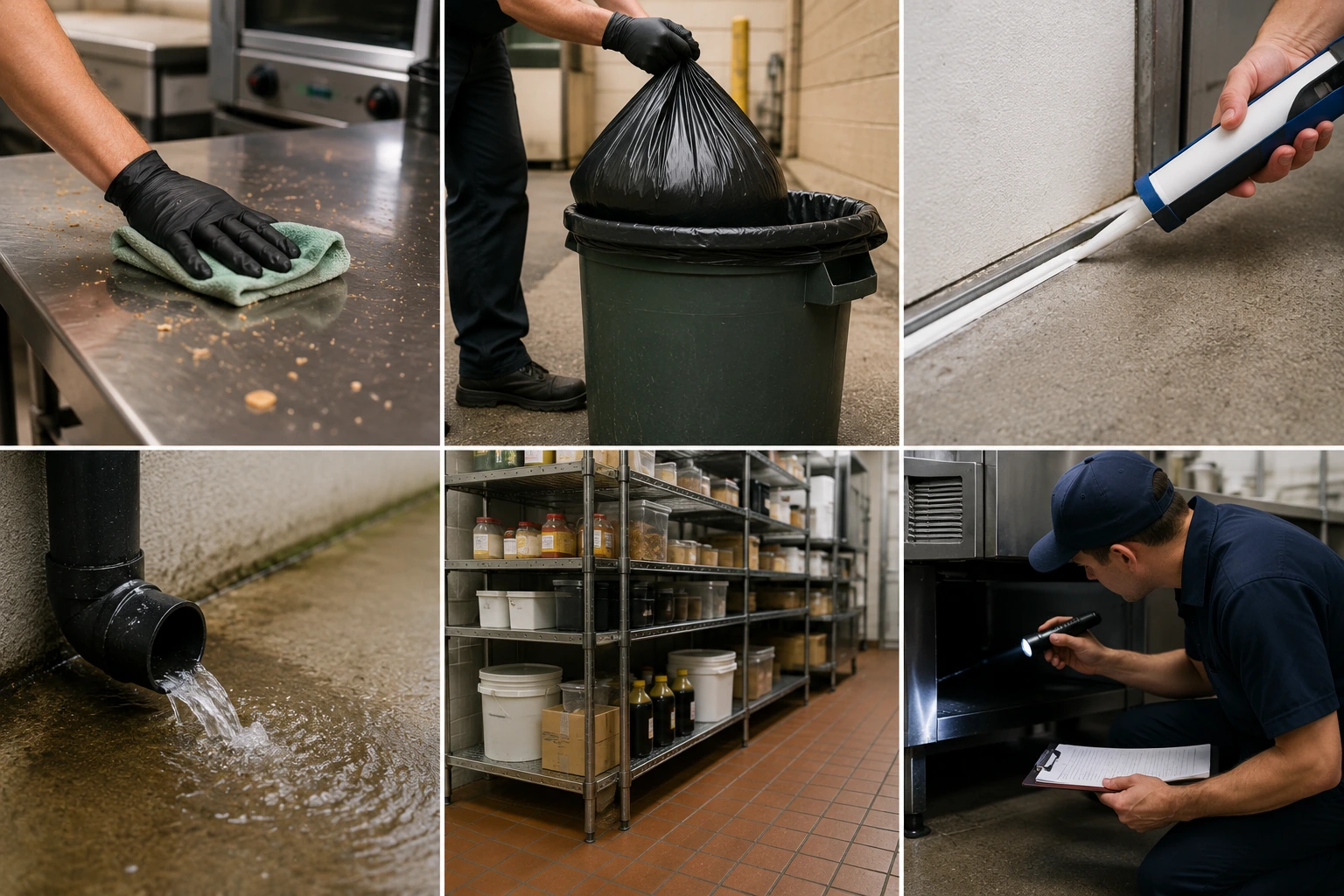
Good practices include:
- Promptly cleaning food spills
- Proper waste management
- Sealing entry points
- Eliminating standing water
- Keeping storage areas organized
- Scheduling routine inspections
These simple steps help reduce conditions that attract pests in the first place.
Why Ongoing Commercial Pest Management Matters
Commercial properties present unique challenges because they often have:
- Higher foot traffic
- Larger buildings
- Deliveries throughout the day
- Multiple entry points
- Shared tenant spaces
A proactive pest management program helps identify developing issues before they interrupt business operations.
Instead of reacting to emergencies, businesses can focus on prevention, monitoring, and long-term protection.

Protect Your Business Before Pests Become a Bigger Problem
Whether you manage a restaurant, warehouse, office building, apartment community, healthcare facility, or retail location, early detection is one of the most effective ways to protect your investment.
Professional inspections can identify conditions that attract pests and help prevent small problems from becoming costly infestations.
Learn more about Dr. Pest’s commercial pest control services by visiting:

Conclusion
Commercial pest problems rarely appear overnight.
More often, they develop quietly until they begin affecting employees, customers, inventory, or daily operations.
By recognizing the warning signs early and implementing a proactive pest management program, businesses can reduce risk, protect their reputation, and maintain a healthier environment for everyone who enters their facility.
FAQ: Commercial Pest Control
1. What are the first signs of a commercial pest problem?
Repeated pest sightings, droppings, odors, and signs of nesting are common early indicators.
2. Why do commercial buildings attract pests?
Food, water, shelter, deliveries, and frequent building access all create opportunities for pests.
3. How often should commercial properties be inspected?
Inspection frequency depends on the business type, but many commercial properties benefit from routine scheduled inspections.
4. What businesses need commercial pest control?
Restaurants, offices, warehouses, healthcare facilities, retail stores, schools, apartment communities, and industrial buildings all benefit from proactive pest management.
5. Can one pest indicate a larger infestation?
Yes. A single sighting may indicate additional pests are hiding nearby.
6. What are common commercial pests in Southern California?
Rodents, cockroaches, ants, flies, stored-product pests, and spiders are among the most common.
7. Why are rodents dangerous in commercial buildings?
They can contaminate food, damage wiring, and spread disease.
8. Can pests affect business inspections?
Yes. Pest activity can create issues during health and regulatory inspections.
9. What is integrated pest management?
Integrated Pest Management (IPM) focuses on prevention, monitoring, and targeted control strategies.
10. How can businesses reduce pest activity?
Maintain cleanliness, seal entry points, eliminate standing water, and schedule routine inspections.
11. Are commercial pest treatments safe?
Professional pest management companies use products and methods in accordance with applicable regulations and label directions.
12. How quickly can pests spread in a commercial building?
Many pest populations can grow rapidly when food, water, and shelter are readily available.
13. Can pests damage equipment?
Yes. Rodents may chew wiring, while insects can contaminate equipment and stored materials.
14. Why do pests become more active at night?
Many common commercial pests are nocturnal and avoid activity during business hours.
15. Should employees report pest sightings?
Absolutely. Early reporting helps identify problems before they become larger infestations.
16. Can preventative pest control save money?
In many cases, preventing infestations is less expensive than treating established ones.
17. What should I do if a customer reports seeing a pest?
Address the concern immediately and schedule a professional inspection as soon as possible.
18. Do office buildings need pest control?
Yes. Even buildings without food service can experience rodent and insect problems.
19. Is year-round commercial pest management recommended?
For many businesses, ongoing service provides better protection than waiting until problems occur.
20. Where can I learn more about commercial pest control services?
Visit https://doctorpest.net/ to learn more about protecting your business from pests.
Leave a Reply