Main Takeaways:
- Vehicles provide shelter, warmth, and food sources, making them attractive to pests.
- Common vehicle pests include rodents, ants, cockroaches, spiders, termites, and beetles.
- Signs of infestation: droppings, chewed wires, odors, scratching noises, or visible insects.
- Pests can cause electrical damage, interior destruction, health risks, and lower resale value.
- DIY methods (vacuuming, repellents, traps, sealing entry points) help but are often temporary.
- Professional pest control offers safe treatments like rodent baiting, steam cleaning, and monitoring.
- Prevention tips: remove food, park away from vegetation, clean garages, use covers, and run vehicles regularly.
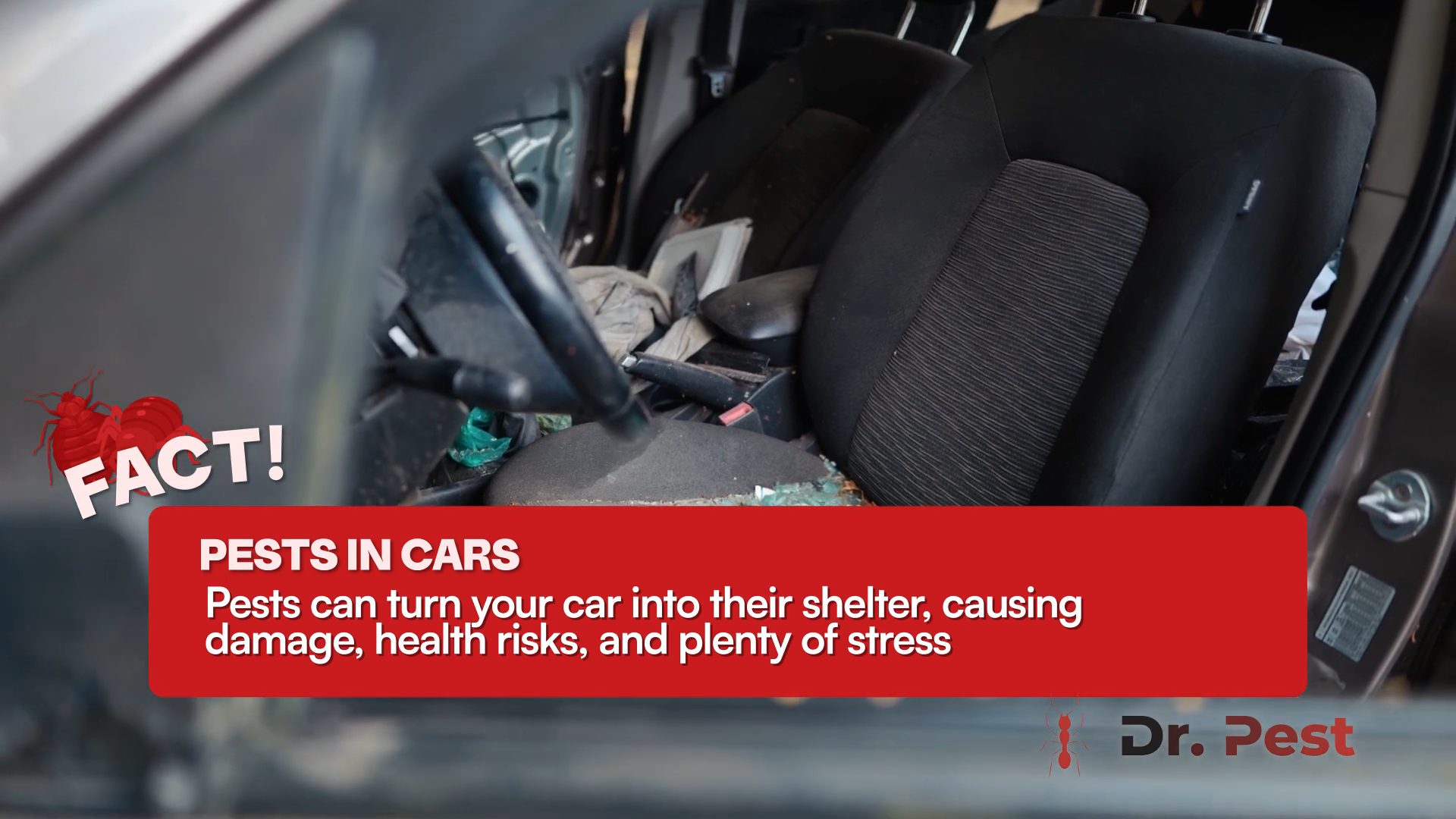
Most people think of pest control in the context of homes, restaurants, or businesses. But what many overlook is that cars, trucks, and other vehicles can also become a haven for pests. Rodents, ants, cockroaches, and even spiders can turn your daily driver into their shelter. That’s why pest control for cars is becoming an increasingly important topic for vehicle owners.
In this article, we’ll explore the reasons pests infest vehicles, the types of pests you’re most likely to encounter, how infestations can damage your car, and the best prevention and treatment strategies. By the end, you’ll understand why professional pest management isn’t just for houses—it can save your vehicle, too.
Why Do Pests Infest Cars?
Cars offer three things pests need: shelter, warmth, and sometimes food. When a vehicle sits idle for long periods, especially near trees, grass, or trash bins, it becomes the perfect hiding spot.
Key reasons pests target vehicles include:
- Warmth: Engines and interiors stay warmer than outside environments, especially in colder months.
- Food crumbs: Fast food wrappers, snacks, and drinks left inside attract ants, cockroaches, and rodents.
- Nesting materials: Upholstery, insulation, and wiring can be chewed or shredded for nests.
- Safe shelter: Cars parked in garages, barns, or near vegetation provide cover from predators.
Common Pests Found in Vehicles
Not all infestations look the same. Different pests target different parts of your car.
Rodents (Mice and Rats)
Rodents are the most common and destructive vehicle pests. They chew through electrical wiring, insulation, and hoses, which can lead to expensive repairs. According to the National Highway Traffic Safety Administration, rodent damage to vehicle wiring is a growing concern that can compromise critical safety systems. They also leave droppings and urine that create foul odors and serious health risks. Proactive rodent exclusion around your garage or parking area is one of the most effective ways to keep them from reaching your vehicle in the first place.
Ants
Ants are attracted to food particles inside vehicles. Once they establish a trail, they can return repeatedly, sometimes nesting within door panels or seat cushions.
Cockroaches
Cockroaches thrive in dark, moist areas. They can sneak in through vents or cracks and are difficult to remove once inside.
Spiders
Spiders may not damage the vehicle itself, but they can cause fear and distraction while driving. Some species, like black widows, may even pose a risk to drivers.
Termites and Beetles
Though rare, termites and wood-boring beetles can infest vehicles with wooden interiors or structures, particularly classic or vintage cars.
Signs of a Pest Infestation in Your Car
Spotting a pest problem early can save you costly repairs and stress. Look for these red flags:
- Droppings or urine stains under seats or on carpets
- Chewed wires, upholstery, or insulation
- Strange odors coming from vents or upholstery
- Scratching or scurrying sounds when the car is parked
- Visible insects crawling on the dashboard, seats, or around doors
If you notice any of these, it’s time to consider pest control for cars immediately.
How Pests Damage Vehicles
Pests are more than just a nuisance. They can cause serious harm to your car’s systems:
- Electrical damage: Rodents chewing wires can disable headlights, airbags, or engine components.
- Health hazards: Droppings and dander can trigger allergies or spread diseases. The CDC warns that rodent droppings in enclosed spaces can expose people to hantavirus, a potentially life-threatening illness.
- Interior damage: Upholstery and insulation can be shredded for nests.
- Resale value: A history of infestation lowers the vehicle’s value due to odors and hidden damage.
Some car owners don’t realize their no-start issue or strange dashboard lights are due to rodents under the hood.
DIY Pest Control for Cars
Some minor infestations can be managed with DIY methods:
- Vacuum regularly: Remove crumbs and debris from carpets, mats, and seats.
- Use repellents: Natural deterrents like peppermint oil, cedar, or mothballs may discourage rodents.
- Traps: Sticky traps or snap traps can catch small infestations of mice or roaches.
- Seal entry points: Check weatherstripping, vents, and cracks for possible pest entry.
However, DIY solutions often provide only temporary relief. For larger infestations, professional help is the safer choice.
Professional Pest Control for Cars
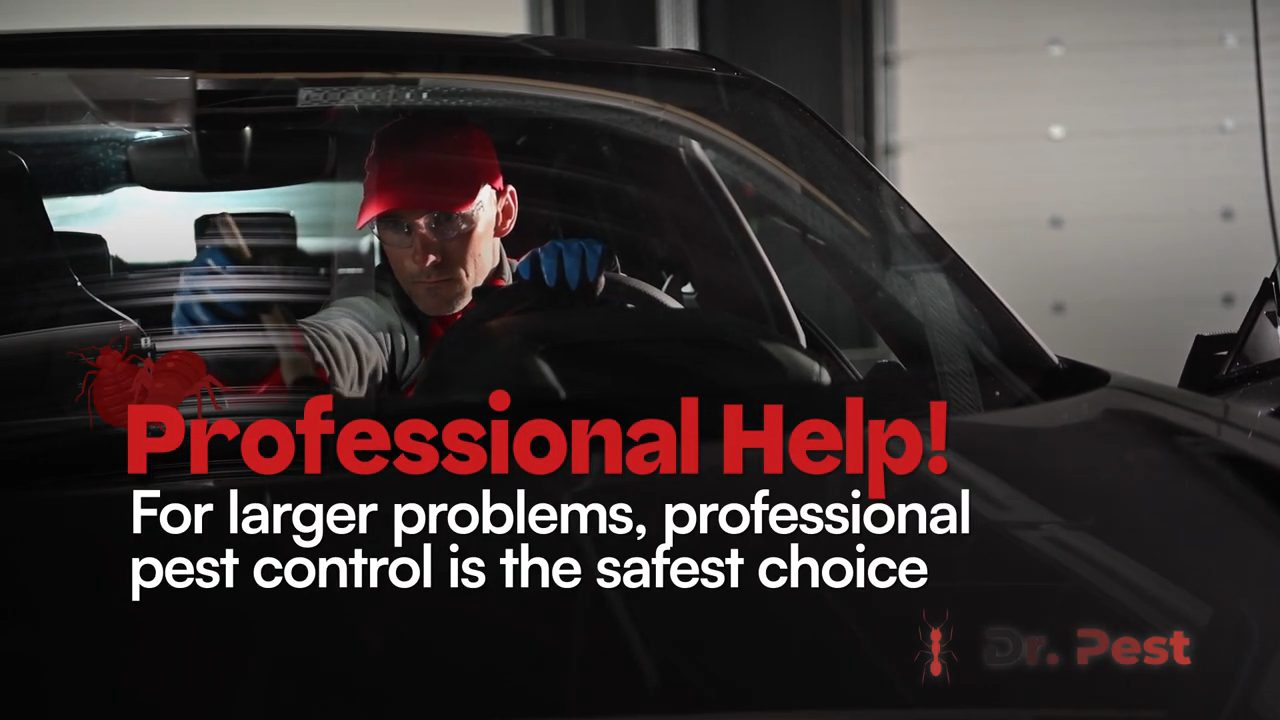
When infestations are severe, professional pest control is necessary. Experts have access to safe, effective treatments that target pests without harming the driver or damaging the car.
Professional services may include:
- Rodent baiting systems in garages or parking areas
- Interior-safe sprays that eliminate insects while protecting upholstery
- Steam cleaning to sanitize carpets and vents
- Ongoing monitoring to ensure pests don’t return
A trusted pest control provider will not only treat the problem but also recommend long-term preventive measures.
Preventing Future Infestations
Prevention is the most cost-effective approach. Follow these tips to reduce the risk of pests invading your car:
- Do not leave food or drinks inside the car overnight.
- Park away from tall grass, shrubs, or dumpsters.
- Keep your garage clean and clutter-free.
- Use rodent-proof mesh or covers for air vents if needed.
- Run your car regularly to discourage pests from nesting.
- Schedule seasonal pest inspections if you live in an area with high rodent activity.
Consistent care goes a long way toward keeping your car pest-free.
How Climate and Geography Influence Vehicle Pest Risks
Where you live and the time of year play a significant role in determining which pests are most likely to target your vehicle and how aggressively they’ll invade. Warmer, humid climates like the Gulf Coast and Southeast United States see year-round activity from fire ants, palmetto bugs, and subtropical roach species that readily exploit parked vehicles near standing water or dense foliage. Arid desert regions present a different threat profile, where scorpions, bark spiders, and pack rats frequently seek out the cooler, shaded underbodies of parked cars during extreme daytime heat. Seasonal transitions are particularly dangerous—fall and early winter drive rodents indoors and into engine bays as outdoor food sources diminish and temperatures plummet, while spring breeding cycles can rapidly multiply a small mouse problem into a full colony nesting throughout your vehicle’s cabin insulation.
Coastal areas introduce salt air corrosion that weakens rubber seals and weatherstripping faster, creating wider entry points that pests exploit more easily. Even elevation matters, as mountain and rural environments expose vehicles to field mice, voles, and chipmunks that suburban drivers rarely encounter. Understanding your specific geographic and seasonal risk factors allows you to tailor your prevention strategy rather than relying on generic advice that may not address the actual threats your vehicle faces.
Special Considerations for Commercial Vehicles
Commercial fleets—like delivery vans, ride-share cars, or food service vehicles—face higher risks of infestation. Because these vehicles are constantly in use and often transport goods, pests can spread quickly from one car to another. Our commercial pest control programs are designed to address exactly these kinds of high-traffic, high-risk environments.
Companies should consider:
- Implementing fleet-wide pest control policies
- Scheduling regular inspections and treatments
- Training employees to spot early signs of infestation
- Keeping detailed sanitation logs to meet regulatory standards
Protecting a fleet is not just about vehicle health—it’s also about maintaining customer trust and brand reputation.
Pest Control for Stored or Classic Cars
Classic cars, RVs, and seasonal vehicles stored for long periods are especially vulnerable to pests. Rodents love unused cars for their quiet, undisturbed environments.
If you’re storing a vehicle:
- Clean it thoroughly before storage
- Seal it with a high-quality car cover
- Use pest deterrents inside and around the storage area
- Inspect it regularly to ensure no infestation has occurred
Protecting these high-value cars requires extra vigilance.
Why Pest Control for Cars Shouldn’t Be Ignored
Some vehicle owners overlook pest infestations, thinking they’ll resolve themselves. Unfortunately, ignoring the problem only makes it worse. Electrical damage, health risks, and costly repairs add up quickly. A small rodent issue can lead to thousands in mechanic bills.
Being proactive with pest control for cars not only keeps your vehicle safe but also ensures peace of mind every time you drive.
Protect Your Vehicle with Dr. Pest
Whether it’s rodents chewing wires under your hood, ants marching across your dashboard, or cockroaches hiding in the vents, pests don’t belong in your car. At Dr. Pest, we specialize in safe, effective solutions for vehicles of all types. From prevention to full treatment, our experts ensure your car stays clean, functional, and pest-free.
If you need reliable pest control for cars, trust Dr. Pest to get the job done right. Contact us today or call (562) 488-7455 to schedule an inspection and keep your vehicle protected from unwanted guests.
Leave a Reply