
Main Takeaways
- Wildlife exclusion is a long-term, humane method to keep animals like raccoons, bats, rodents, and birds from entering homes and structures.
- Unlike removal alone, exclusion identifies and seals entry points to stop animals from returning.
- Prevents costly damage to wiring, insulation, roofing, and landscaping caused by wildlife.
- Helps protect your family’s health by preventing exposure to droppings, parasites, and diseases.
- Common methods include sealing gaps, installing vent covers, using one-way doors, and reinforcing roofs and foundations.
- Seasonal animal activity affects when wildlife seeks shelter; fall and winter are high-risk entry seasons.
- Professional exclusion is more effective and safer than DIY efforts, providing long-term peace of mind and preventing repeated infestations.
When unwanted animals invade your property, they can cause more than just a nuisance. From chewing wires in attics to leaving droppings near your pool or tearing up your lawn, wild animals often bring health risks, structural damage, and ongoing stress. That is why wildlife exclusion has become one of the most effective long-term solutions for homeowners who want to protect their living spaces. Unlike quick fixes that only relocate or remove pests temporarily, exclusion methods focus on preventing animals from ever entering in the first place.
This article explores what wildlife exclusion involves, why it matters, the methods used, and how property owners can combine prevention with professional services for maximum protection.
What Is Wildlife Exclusion?
Wildlife exclusion is a pest control strategy designed to keep animals like raccoons, squirrels, rats, bats, birds, and even snakes out of homes and buildings. Instead of simply trapping or poisoning wildlife, exclusion uses barriers, repairs, and modifications that block access points. Think of it as a permanent defense system: once entry points are sealed and vulnerable areas are reinforced, animals cannot return.
This approach goes beyond removal because it addresses the root of the problem—how the animals are getting inside in the first place.
Why Wildlife Exclusion Matters for Homeowners
Homeowners in both urban and suburban areas often underestimate the damage that animals can cause. Exclusion is critical because:
- Prevents costly repairs: Squirrels and raccoons can chew through electrical wiring, insulation, and roofing materials.
- Protects health: Animal droppings and nesting materials may carry diseases like histoplasmosis, leptospirosis, or hantavirus. The CDC warns that exposure to wildlife waste in enclosed spaces poses serious respiratory and infectious disease risks.
- Reduces long-term infestations: Once entry points are sealed, animals cannot re-enter, saving you from repeated service calls.
- Promotes humane practices: Instead of relying on lethal control, exclusion prioritizes non-lethal prevention.
Common Wildlife Problems That Require Exclusion
Not every animal needs exclusion work, but many are repeat offenders when it comes to invading homes and yards. Here are some common culprits:
1. Rodents
Mice and rats can squeeze through holes as small as a dime. They often enter attics, basements, and garages. Once inside, they chew wires, contaminate food, and multiply quickly. Our dedicated rodent exclusion service is specifically designed to identify and permanently seal every entry point they use.
2. Bats
Bats often find small cracks along rooflines or vents. While they eat insects and are beneficial outdoors, guano buildup indoors is dangerous for human health.
3. Raccoons
Known for their strength and dexterity, raccoons can tear through shingles, vents, and even soffits to create dens. They also carry rabies and parasites that endanger humans and pets.
4. Birds
Pigeons, starlings, and sparrows often nest in gutters, eaves, or chimneys. Their droppings not only corrode building materials but also spread disease.
5. Squirrels
These agile climbers frequently enter through attic vents or roof gaps, causing extensive insulation damage.
Methods of Wildlife Exclusion
Professionals use a wide range of techniques to keep animals out. The Humane Society recommends exclusion as the most effective and ethical long-term approach to wildlife conflicts. Some of the most effective methods include:
- Sealing entry points: Cracks in foundations, roof gaps, vents, and chimneys are repaired or fitted with screens.
- Installing chimney caps and vent covers: Prevents birds, bats, and rodents from entering.
- Using hardware cloth or mesh barriers: Blocks animals from digging under decks, sheds, or porches.
- Applying one-way doors: Allows animals already inside to exit safely without being able to re-enter.
- Trimming trees and vegetation: Reduces access points for climbing animals like squirrels and raccoons.
- Strengthening roofing materials: Reinforced flashing and roof repairs deter persistent invaders.
Wildlife Exclusion vs. Removal: The Key Difference
It is important to distinguish between removal and exclusion. Removal focuses on eliminating animals that are already inside your property, usually through trapping or relocation. Exclusion, on the other hand, ensures they cannot return.
In practice, many pest control companies use a combination: removal of the current infestation followed by comprehensive exclusion work. This two-step approach ensures that the problem does not repeat itself.

The Role of Seasonal Changes in Wildlife Activity
Seasonal shifts often determine when animals are most active in seeking shelter. For example:
- Winter: Rodents and raccoons search for warm nesting sites inside homes.
- Spring: Birds and squirrels look for safe areas to raise their young.
- Summer: Bats are more active, seeking roosts inside attics.
- Fall: Animals prepare for colder weather by finding entry points to basements and crawl spaces.
Understanding these seasonal patterns helps homeowners know when to prioritize inspections and preventive work.
Signs That You Need Wildlife Exclusion
How do you know if it’s time to call for exclusion services? Look out for these warning signs:
- Strange noises in the attic, walls, or crawl space.
- Droppings near vents, attics, or around your pool area.
- Damaged shingles, soffits, or roof vents.
- Strong odors caused by nesting or urine.
- Visible animal tracks or gnaw marks.
- Birds or bats flying in and out of small openings.
If you notice any of these issues, immediate action can prevent expensive damage.
Wildlife Exclusion for Pools and Lawns
Outdoor spaces like pools and lawns are not immune to wildlife intrusions. Raccoons may contaminate pools, rodents can burrow through lawns, and moles or gophers often destroy landscaping. Exclusion methods for these areas include fencing, mesh barriers, and habitat modification to discourage animals from settling nearby.
For homeowners who take pride in their outdoor spaces, addressing these issues is just as important as protecting the inside of the home.
Professional Wildlife Exclusion vs. DIY Solutions
Some homeowners attempt to handle wildlife problems on their own, but DIY exclusion often falls short. Many animals are persistent and can chew through weak materials, while others carry diseases that make handling dangerous.
Our residential pest control teams bring expertise, tools, and safe methods to every job. They know how to identify all possible entry points and apply durable solutions that last. While DIY may seem cheaper upfront, professional exclusion saves money in the long run by preventing recurring infestations.
Long-Term Benefits of Wildlife Exclusion
Investing in exclusion pays off with several long-term advantages:
- Peace of mind knowing your home is protected.
- Lower repair bills because animals cannot damage structures.
- Improved health and safety from reduced exposure to animal waste.
- Humane outcomes since exclusion does not rely on poisons or lethal traps.
These benefits make exclusion one of the most cost-effective pest control strategies available today.
Protect Your Property with Dr. Pest’s Wildlife Exclusion Services
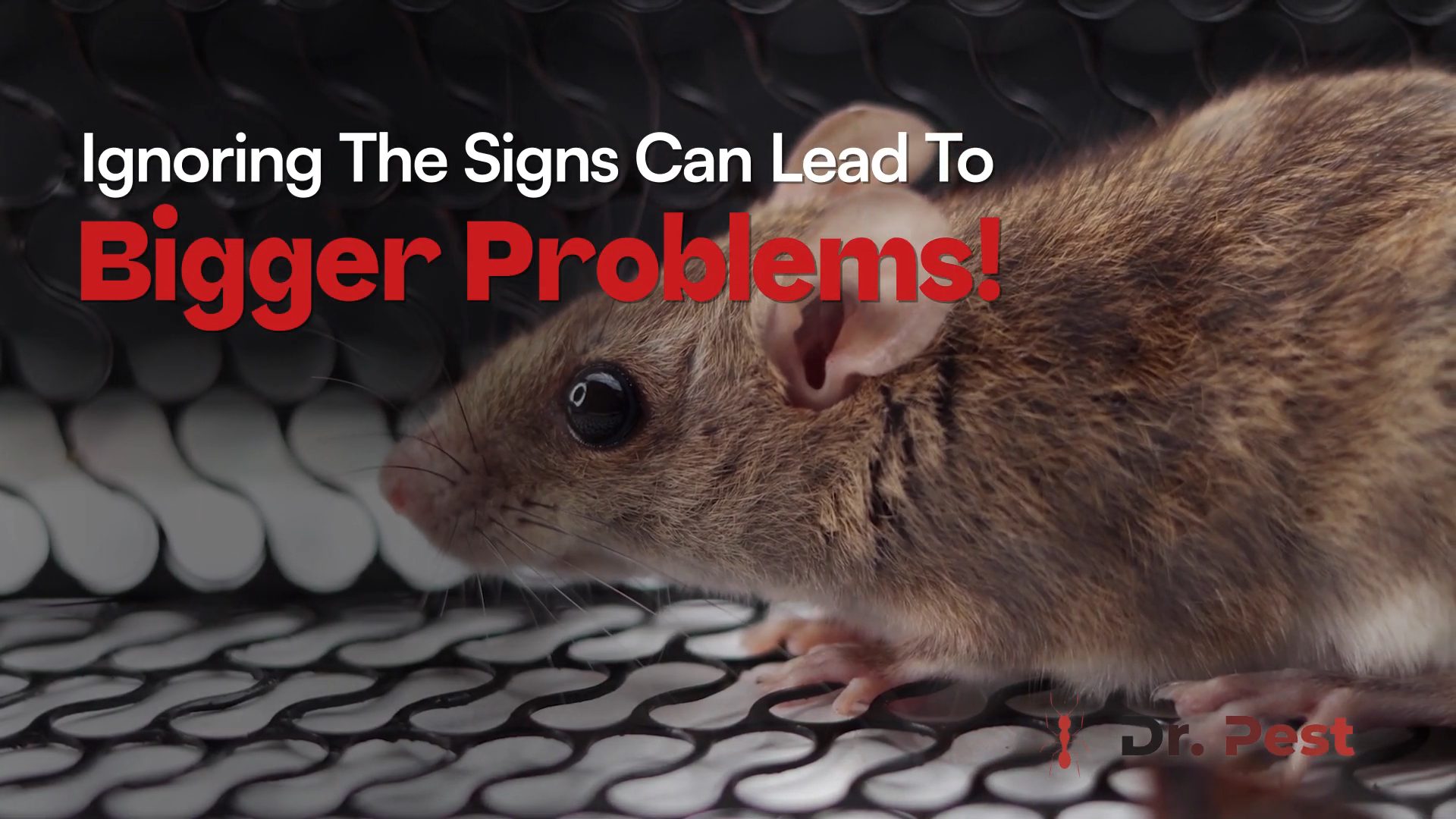
Wildlife problems rarely go away on their own. Ignoring signs of animal activity can lead to costly repairs, health risks, and repeated infestations. That’s why choosing a trusted professional is essential.
At Dr. Pest, we specialize in humane and effective wildlife exclusion services tailored to both residential and commercial properties. Our experts carefully inspect your home, identify all vulnerable areas, and implement proven strategies to keep animals out for good. Whether you are dealing with raccoons in the attic, rodents in the basement, or birds nesting in your vents, we deliver reliable solutions that last.
Protect your home, lawn, and peace of mind today. Contact Dr. Pest or call (562) 488-7455 for professional wildlife exclusion services and take the first step toward a safer, pest-free property.
Leave a Reply