Introduction
If you’ve found cockroaches in your home, your first thought is probably:
“How is this possible? My house is clean.”
You’re not alone—and more importantly, you’re not the problem.
Roaches are not just attracted to dirty environments. While clutter and food can make things worse, cockroaches are incredibly resilient and will invade any space that provides what they need to survive.
The key is understanding what’s really attracting them—and how to stop it.
In this guide, we’ll break down why roaches show up even in clean homes and what you can do to eliminate them for good.
Can You Have Roaches in a Clean House?
Yes, you absolutely can.
Cleanliness helps reduce risk, but it does not eliminate it. Cockroaches are survival-driven pests that look for three things:
- Food
- Water
- Shelter
Even the cleanest homes can unintentionally provide one or more of these.
Roaches can also enter from outside or neighboring units, meaning your home may not be the original source of the problem.

7 Common Reasons You Have Roaches (Even in a Clean Home)
1. Hidden Food Sources
Even if your home looks spotless, small and hidden food sources can still attract roaches. They don’t need much to survive.
Common hidden sources include:
- Crumbs under appliances
- Grease buildup in kitchens
- Pet food left out overnight
- Residue in drains or garbage disposals
Roaches can survive on minimal food, making even tiny amounts enough to sustain them.
What to do:
- Deep clean hard-to-reach areas
- Clean under and behind appliances
- Store food in sealed containers

2. Moisture and Water Access
Water is often a bigger attractant than food. Roaches need consistent moisture to survive.
Common sources:
- Leaky pipes
- Damp cabinets
- Bathroom moisture
- Condensation around appliances
Even small leaks can create the perfect environment for roaches to thrive.
What to do:
- Fix leaks immediately
- Keep areas dry
- Improve ventilation

3. Entry from Outside or Nearby Properties
Roaches don’t need an invitation. They can enter your home from outside or travel from neighboring units, especially in apartments or shared buildings.
Common entry points:
- Cracks in walls or foundations
- Gaps around doors and windows
- Plumbing and utility openings
In these cases, your home may simply be part of a larger infestation.
What to do:
- Seal cracks and openings
- Install door sweeps and weather stripping
- Inspect shared walls and entry points
4. Clutter and Hiding Spots
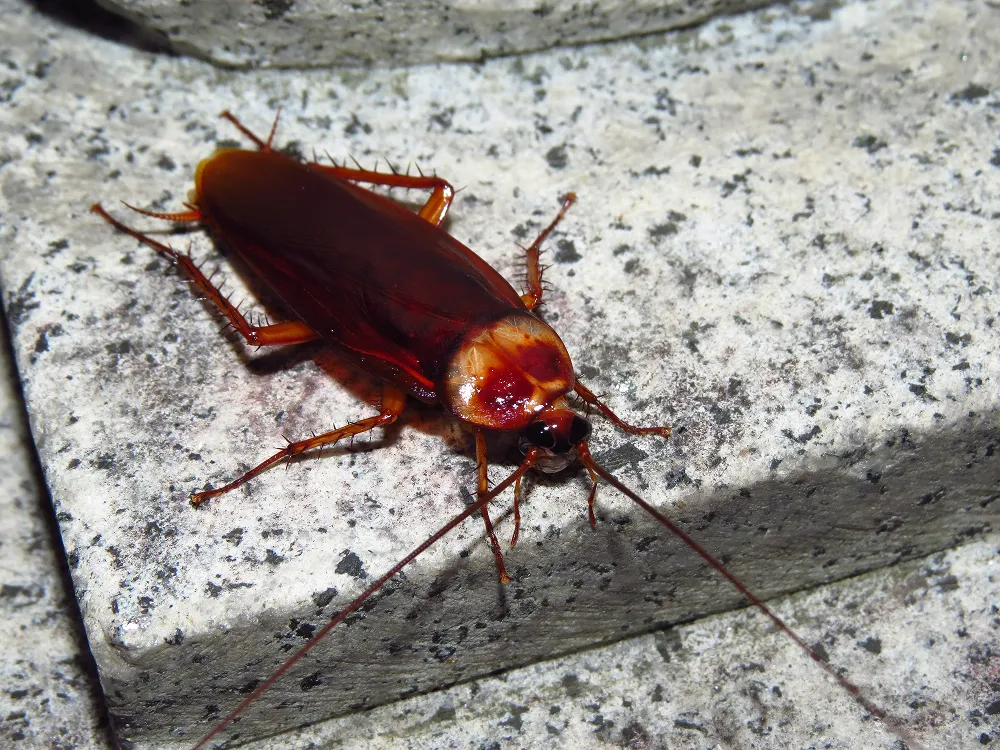
Even in clean homes, clutter can create ideal hiding places. Roaches prefer dark, undisturbed areas where they can stay protected.
Common hiding spots:
- Cardboard boxes
- Storage areas
- Cabinets and pantries
- Behind appliances
These areas allow roaches to stay hidden during the day and become active at night.
What to do:
- Reduce clutter
- Organize storage areas
- Avoid long-term cardboard storage

5. Previous Infestation or Lingering Activity
If a home has had roaches in the past, there may still be remnants that attract new activity. Roaches leave behind scent trails and droppings that signal a safe environment to others.
Even after cleaning, these signals can remain.
What to do:
- Perform deep cleaning and sanitation
- Use proper disinfectants
- Monitor for recurring activity

6. Seasonal Changes and Weather
Roach activity often increases during certain times of the year, especially when outdoor conditions change.
Common triggers:
- Heat waves
- Rain or flooding
- Cooler temperatures are driving them indoors
Environmental changes can force roaches to seek shelter inside your home.
What to do:
- Be proactive during seasonal shifts
- Inspect your home after weather changes
- Maintain preventative measures year-round

7. Drains and Plumbing Areas
Drains and pipes provide both moisture and access, making them a common pathway for roaches.
They can enter through:
- Kitchen sinks
- Bathroom drains
- Floor drains
These areas often go unnoticed but can be a major source of infestation.
What to do:
- Keep drains clean
- Use drain covers
- Run water regularly in unused drains

Are Roaches Dangerous?
Roaches are more than just unpleasant—they can pose health risks.
They are known to:
- Carry bacteria
- Trigger allergies and asthma
- Contaminate food and surfaces
Because they move through unsanitary areas, they can spread germs throughout your home.
This is why even a small infestation should be taken seriously.
How to Get Rid of Roaches in a Clean Home
Eliminating roaches requires more than just cleaning. It involves targeting both the visible roaches and the hidden population.
Effective steps include:
- Eliminating food and water sources
- Sealing entry points
- Using targeted treatments or baits
- Monitoring activity
DIY solutions may reduce visible roaches, but they often don’t eliminate the root of the problem.
When Should You Call a Pest Control Professional?
If roaches continue to appear despite your efforts, it’s likely that the infestation is larger than it seems.
You should consider professional help if:
- You see roaches during the day
- Activity continues after cleaning
- The problem is spreading
- You live in a multi-unit building
Professional pest control can identify the source, apply targeted treatments, and eliminate the infestation at its root.
How to Prevent Roaches from Coming Back
Prevention is key to keeping your home roach-free long-term.
Best practices include:
- Maintaining cleanliness and sanitation
- Fixing leaks and moisture issues
- Sealing entry points
- Scheduling regular inspections
Even clean homes need preventative measures to stay protected.
Conclusion
If you’re dealing with roaches in a clean home, it’s important to understand that cleanliness alone isn’t always enough to prevent them.
The key is identifying what’s attracting them and addressing the problem at its source.
If roaches keep coming back or you want a long-term solution, a professional inspection can help eliminate the issue and prevent future infestations.
Leave a Reply