Main Takeaways
- Termites cause serious structural damage by silently feeding on wood inside walls, floors, and foundations.
- Common warning signs include mud tubes, hollow-sounding wood, discarded wings, frass, and peeling or bubbling paint.
- DIY termite control rarely works because colonies hide deep within structures and require professional tools and expertise.
- A termite inspection includes a full home check, identification of termite type, and a customized treatment plan.
- Treatment options may involve liquid termiticides, bait systems, heat treatments, or whole-structure fumigation.
- Preventative steps like reducing wood-to-soil contact, fixing leaks, and removing dead wood help keep termites away.
- Choosing a licensed, experienced pest control company with warranties ensures long-term protection; Dr. Pest offers thorough inspections, tailored treatments, and eco-friendly solutions.
If you’ve ever searched termite help near me, chances are you’re either already dealing with termites—or worried you might be. These tiny insects may look harmless, but they can silently destroy the wood in your home, causing thousands of dollars in damage before you even notice they’re there.
In this article, we’ll cover everything you need to know about termites: how to recognize the warning signs, when to call a professional, what treatment options exist, and how to keep your home protected in the future.
What Are Termites and Why Are They Dangerous?
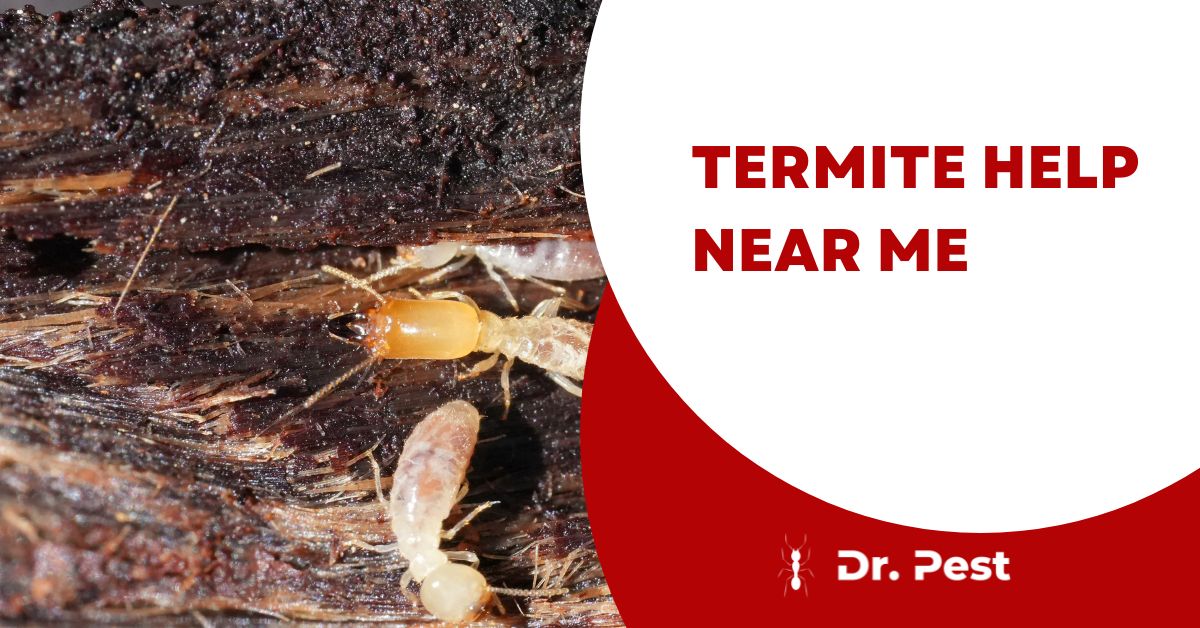
Termites are small, pale-colored insects that feed on wood and other plant materials. They live in colonies that can number in the hundreds of thousands. While each bug is tiny, together they can cause serious structural damage to homes, fences, furniture, and anything else made of wood.
There are several types of termites, but the two most common in residential areas are:
- Subterranean termites – These live underground and build mud tubes to reach above-ground food sources.
- Drywood termites – These nest directly inside dry wood and don’t need contact with soil.
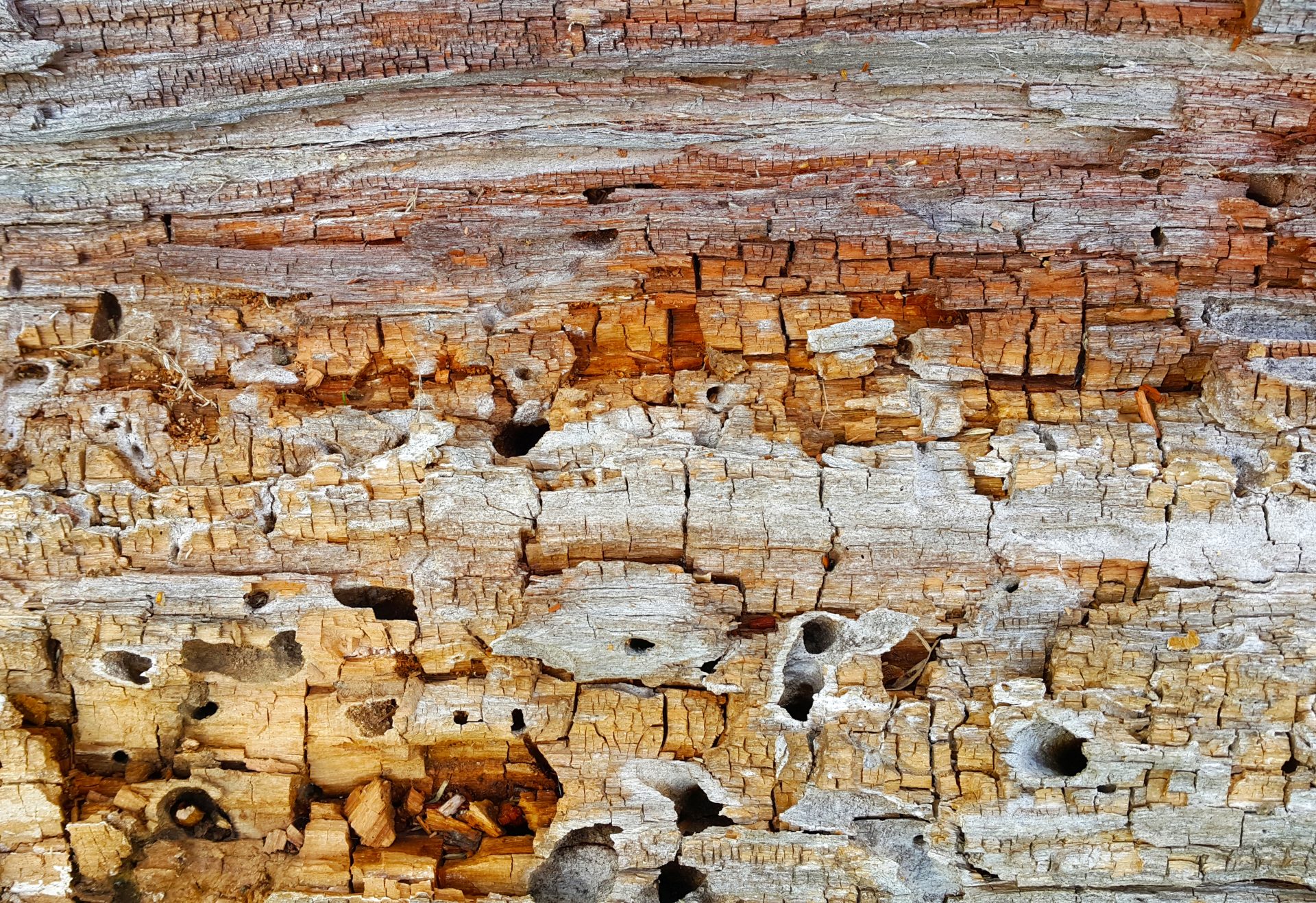
The biggest danger with termites is how quietly they work. Unlike ants or roaches, you might not see termites crawling around your kitchen. Instead, they chew away inside your walls, floors, or ceiling beams—sometimes for years—before the damage becomes obvious.
How to Tell If You Have a Termite Problem
Catching a termite infestation early can save you a lot of money and stress. Here are the most common signs to watch for:
1. Mud Tubes
These pencil-sized tunnels are built by subterranean termites as they move between their nest and food source. You’ll usually find them along the foundation of your home, crawl spaces, or basement walls.
2. Hollow-Sounding Wood
If you tap on a wooden beam or floorboard and it sounds hollow, termites might have eaten away the inside.
3. Discarded Wings
Flying termites, also known as swarmers, shed their wings after they find a place to start a new colony. If you see piles of small wings near windows, doors, or vents, you might have termites.
4. Frass (Termite Droppings)
Drywood termites leave behind tiny, wood-colored pellets as they tunnel. These droppings often collect beneath infested wood or near baseboards.
5. Peeling Paint or Bubbling Walls
Sometimes termites bring moisture into walls, which causes paint to peel or bubble. This damage can look a lot like water damage.
If you notice one or more of these signs, it’s a good time to search for termite help near me and get an expert involved.
Why You Shouldn’t Wait to Get Professional Help
You might think you can handle termites on your own with a few sprays or traps, but the truth is, DIY treatments rarely solve the full problem. Here’s why calling a professional matters:
- Experts can find hidden colonies. Termites can live deep inside walls, floors, and foundations where sprays won’t reach.
- They know how to identify the species. Different types of termites require different treatments.
- They use more effective tools. Professionals use bait systems, termiticides, and heat treatments that aren’t available at your local hardware store.
- They provide long-term protection. A pro can treat your current problem and help stop future infestations.
If termites are suspected, it’s not the time to gamble with a wait-and-see approach. Search for termite help near me and connect with a licensed specialist before the damage gets worse.
What to Expect During a Termite Inspection
So, you’ve decided to reach out to a pest control service. What happens next?
Step 1: Initial Visit and Inspection
A trained technician will come to your home and check for signs of termites. This includes looking at crawl spaces, walls, attic areas, and any wooden parts of your home.
Step 2: Assessment and Treatment Plan
If termites are found, the technician will explain where the problem is, how bad it is, and what treatment methods they recommend. They’ll also give you an estimate of the cost and timeline.
Step 3: Treatment
Depending on the type of termite and the severity of the infestation, treatment options might include:
- Liquid termiticides applied around the foundation
- Bait systems placed in the soil around your home
- Heat treatments to kill termites inside wood
- Fumigation for large-scale drywood infestations
Step 4: Follow-Up
Most companies will schedule a follow-up to make sure the treatment worked and that the termites are gone for good.

Common Questions About Termite Control
Is termite treatment safe for kids and pets?
Yes, professional termite treatments are designed with safety in mind. Just be sure to follow your technician’s instructions about when to vacate the home or keep pets away from treated areas.
How much does termite treatment cost?
The price depends on how bad the infestation is and the size of your home. On average, treatments range from $500 to $3,000. While that may sound like a lot, it’s far less than the cost of repairing structural damage later.
Can termites come back after treatment?
Unfortunately, yes—especially if the conditions that attracted them remain. That’s why ongoing monitoring and maintenance are important.
Tips for Preventing Future Termite Problems
Once your home is termite-free, you’ll want to keep it that way. Here’s how:
1. Keep Wood Away From Soil
Avoid letting wooden siding, decks, or fences touch the ground. Termites use this as a direct entry point into your home.
2. Fix Leaks Quickly
Moisture attracts termites. Repair leaky pipes, roofs, and air conditioners as soon as possible.
3. Clear Out Dead Wood
Remove tree stumps, fallen branches, and old lumber from your yard. These make great homes for termite colonies.
4. Use Treated Wood Outdoors
If you’re building a deck, fence, or shed, use pressure-treated wood. It’s more resistant to termite damage.
5. Schedule Regular Inspections
Even if you don’t see any signs, it’s smart to have a pest control expert inspect your home once a year.
Choosing the Right Pest Control Company
Not all termite services are created equal. Here’s what to look for when choosing a company:
- Licensed and Insured: Make sure they have the proper certifications for your state.
- Experienced Technicians: Ask how long they’ve been handling termite issues.
- Clear Pricing: Get a written estimate with no hidden fees.
- Warranty or Guarantee: A good company will stand by their work and offer some form of retreatment warranty.
Reading reviews or asking neighbors for recommendations can also help you find a service you can trust. And when you search “termite help near me,” don’t just pick the first name that pops up—do a bit of research to find a reliable, professional provider.
What Sets Dr. Pest Apart?
When it comes to fast, effective, and affordable termite control, Dr. Pest stands out as a trusted local expert. With years of hands-on experience and a deep understanding of termite behavior, our team doesn’t just treat the problem—we eliminate it at the source.
Whether you’ve already spotted signs of termites or simply want peace of mind, we offer:
- Thorough inspections using the latest technology
- Customized treatment plans that suit your home and budget
- Safe, eco-friendly solutions for your family and pets
- Preventative care to stop future infestations
Don’t wait until you’re faced with expensive repairs. If you’ve been searching for termite help near me, now is the time to act. Contact Dr. Pest today and let us protect your biggest investment—your home.
Need termite help now? Call Dr. Pest and schedule your inspection today. Your home deserves expert protection.
Leave a Reply