
Main Takeaways:
- Fleas are tiny, blood-feeding insects that reproduce rapidly and infest pets, homes, and yards.
- Flea bites cause itching, red bumps, allergic reactions, and can transmit diseases like tapeworms and typhus.
- Common signs of fleas include excessive scratching, visible fleas, flea dirt, and bites on humans.
- DIY treatments often fail because they don’t target all life stages of fleas or treat the home thoroughly.
- Professional flea pest control services inspect your home, create customized treatment plans, and provide follow-up visits.
- Effective flea control requires treating pets, indoor spaces, and outdoor areas simultaneously.
- Preventing future infestations involves regular pet treatments, home cleaning, yard maintenance, and monitoring new items or wildlife.
- Flea allergy dermatitis can affect both pets and humans, making prompt treatment essential for health and comfort.
Fleas are more than just a nuisance for pets—they can cause serious problems for your home and your health, too. If you’ve noticed itchy bites, scratching pets, or tiny black bugs hopping around, you may be dealing with a flea infestation.
This article will guide you through everything you need to know about flea pest control, from spotting the signs to choosing the best treatment options and keeping fleas from coming back.
What Are Fleas and Why Are They a Problem?
Fleas are tiny insects that survive by feeding on the blood of animals and humans. They’re about the size of a grain of sand and can jump long distances for their size. Even though they can’t fly, fleas spread fast, especially in homes with pets.
Fleas reproduce rapidly. A single female can lay up to 50 eggs per day. These eggs fall off your pet and into carpets, furniture, and bedding, where they hatch into larvae and develop into adult fleas. Once you have a few fleas, it doesn’t take long for a small problem to become a major infestation.
Here’s why fleas are more than just a minor annoyance:
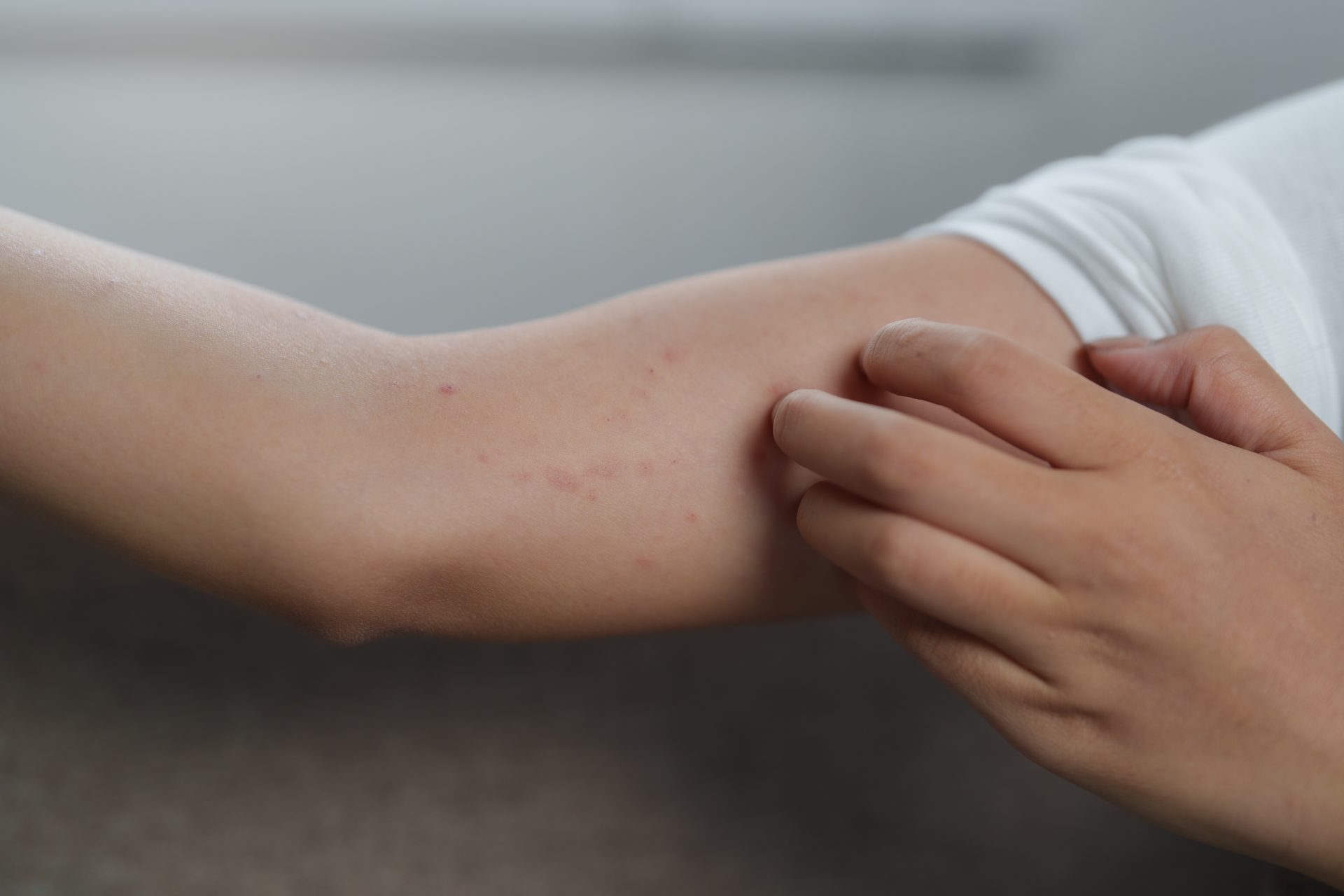
- Flea bites are itchy and painful. They often cause red bumps, especially around ankles or on pets’ bellies and legs.
- They can carry diseases. Fleas are known to transmit parasites like tapeworms and diseases like typhus and cat scratch fever.
- They can cause allergic reactions. Both humans and pets can suffer from flea allergy dermatitis, which leads to intense itching and skin infections.
- They infest your whole home. Fleas live not just on pets, but in carpets, furniture, and cracks in the floor.
That’s why proper flea pest control is essential.
Signs You Might Have Fleas
Before you can treat a flea problem, you need to know what to look for. Here are some common signs:
1. Your Pets Are Scratching More Than Usual
Excessive scratching, licking, or biting—especially around the tail or belly—could mean fleas.
2. Red Bumps or Scabs
If you or your pets have small, itchy red bumps that look like mosquito bites, they could be flea bites.
3. Flea Dirt
Flea dirt looks like small black or brown specks. It’s actually flea feces made up of digested blood. You’ll often find it in your pet’s fur or bedding.
4. Visible Fleas
Sometimes you can actually see the fleas. Look closely at your pet’s fur or brush them with a fine-tooth comb.
5. Bites on Humans
Fleas like to bite around the ankles, feet, and lower legs. If you wake up with bites in these areas, fleas could be the reason.
Why DIY Flea Control Often Falls Short
Many people try to tackle flea problems with store-bought sprays or pet treatments. While these can help, they often don’t solve the whole problem.
Here’s why:
- Fleas have a complex life cycle. Killing adult fleas isn’t enough—you also have to deal with eggs, larvae, and pupae.
- Flea eggs are hard to reach. They fall into cracks, carpets, and furniture, where sprays may not reach.
- Missing just a few fleas can restart the cycle. It only takes a handful of surviving fleas to rebuild the population.
- Store products vary in effectiveness. Not all over-the-counter treatments work equally well.
That’s why many people turn to professional flea pest control services to get the job done right.
What to Expect from a Flea Pest Control Service
When you call in the pros, they follow a careful process designed to break the flea life cycle and eliminate the infestation from your home, yard, and pets.
Step 1: Inspection
A technician will inspect your home, focusing on pet areas, carpets, furniture, and any signs of flea activity. They may also ask about your pet’s behavior and recent flea symptoms.
Step 2: Treatment Plan
Based on what they find, the technician will recommend a treatment plan. This usually includes:
- Interior treatment using safe insecticides in affected areas
- Exterior treatment if fleas are also present in your yard
- Advice for treating pets in coordination with your veterinarian
- Guidance on cleaning to remove flea eggs and larvae
Step 3: Follow-Up
Because flea eggs can survive for weeks, most treatments require a second visit. This ensures that any newly hatched fleas are eliminated before they start laying eggs.
Professional flea treatments are usually more thorough and last longer than DIY methods. They target all stages of the flea life cycle and treat the whole home—not just your pets.
Treating Pets Is Only Half the Battle
If you’ve got fleas, treating your pets is important, but it’s only part of the solution. You also need to treat your home and yard.
For Pets:
- Use vet-approved flea treatments like oral tablets, topical drops, or flea collars.
- Bathe pets with a flea shampoo if your vet recommends it.
- Brush with a flea comb to remove live fleas and eggs.
- Treat all pets in the household, not just the ones showing symptoms.
For Your Home:
- Vacuum every day, especially carpets, rugs, and under furniture.
- Wash pet bedding and soft toys in hot water.
- Use flea sprays or foggers approved for indoor use—but only after removing pets and people from the area.
- Consider professional flea pest control for long-term relief.
For the Yard:
- Keep grass trimmed and remove leaf piles or debris.
- Treat shady, moist areas where fleas like to hide.
- Ask your pest control provider about outdoor flea treatments.

Preventing Fleas in the Future
Once you’ve gotten rid of fleas, the next step is to keep them from coming back. Prevention is key.
Here’s how to stay flea-free:
1. Stay Up to Date on Pet Treatments
Talk to your vet about monthly flea preventatives. These are especially important in warm months when fleas are most active.
2. Clean Regularly
Vacuum floors, carpets, and furniture often. Wash bedding regularly, including pet beds.
3. Groom Your Pets
Regular brushing can help you spot fleas early. It also removes loose hair and flea dirt.
4. Control Wildlife
Rats, raccoons, stray cats, and opossums can bring fleas into your yard. Seal trash bins and avoid leaving pet food outdoors.
5. Inspect New Items
Secondhand furniture or pet beds can carry fleas. Inspect and clean them before bringing them into your home.
Keeping up with these habits helps reduce your chances of needing flea pest control again in the future.
Fleas and Allergies: What You Need to Know
Fleas aren’t just itchy—they can trigger allergic reactions in both pets and people. This condition is called flea allergy dermatitis.
In Pets:
- Constant scratching or biting
- Hair loss, especially near the tail
- Scabs or hot spots
- Restlessness or irritability
In Humans:
- Itchy red bites
- Rash or swelling
- Allergic skin reactions (in rare cases)
If you or your pet are suffering from these symptoms, removing the fleas quickly becomes even more important. Delaying treatment can lead to infections or more serious health problems.
When to Call for Professional Flea Pest Control
If you’ve tried flea shampoos, sprays, or vacuuming and still see signs of fleas, it’s time to bring in an expert.
You should contact a professional if:
- Fleas keep coming back after treatment
- You find fleas in multiple rooms
- You don’t know where the fleas are coming from
- You or your pets have flea allergies
- You want peace of mind knowing the problem is handled
Flea infestations are easier to control early. Waiting only gives them time to spread.
How to Choose the Right Flea Pest Control Service
Not all pest control companies offer the same level of service. Here’s what to look for:
- Licensed and insured technicians
- Experience with flea infestations
- Clear pricing with no hidden fees
- Safe treatments for homes with kids and pets
- Follow-up visits or treatment guarantees
Reading reviews, asking questions, and comparing services can help you find a company you can trust.
Dr. Pest: Trusted Flea Pest Control for Your Home
If you’re dealing with fleas, you don’t have to fight them alone. At Dr. Pest, we provide fast, safe, and effective flea pest control for homes, pets, and families.
Our team has years of experience treating flea infestations in every type of home. We use proven methods that target the entire flea life cycle and protect your home from future invasions.
With Dr. Pest, you’ll get:
- In-home inspections and custom treatment plans
- Friendly, professional technicians
- Pet-safe and family-safe solutions
- Follow-up service to ensure the fleas are gone for good
- Support and tips to prevent fleas from returning
Tired of itching, scratching, and spotting fleas? Call Dr. Pest today and take back your home with expert flea pest control that works.
Leave a Reply