
Main Takeaways:
-
It’s Not Overnight: Most professional bed bug treatments take 3–6 weeks, with multiple visits required due to their life cycle and tough-to-kill eggs.
-
Their Hiding Skills Slow You Down: Bed bugs hide in tiny cracks and crevices—mattresses, baseboards, outlets—making full eradication a slow, thorough process.
-
Multiple Treatments Are Common: You’ll likely need 2–4 professional treatments, spaced weeks apart, to target new hatchlings and missed bugs.
In Long Beach, Seal Beach, Huntington Beach, Torrance or Newport Beach? Dr. Pest works these cities every week. Call (562) 488-7455 for a free inspection and a written quote before any work starts, or see the city we cover nearest you.
-
Preparation Is Half the Battle: Washing linens, decluttering, vacuuming, and sealing mattresses can take days of prep, but it’s vital to treatment success.
-
Post-Treatment Monitoring Matters: Even after the bugs seem gone, monitor your home for up to 12 months with traps, encasements, and regular inspections.
-
DIY Slows You Down: Most over-the-counter products and DIY efforts delay the process and worsen infestations due to missed eggs and improper application.
-
Professional Help Speeds Recovery: Hiring experts like Dr. Pest ensures faster, more effective treatment, fewer mistakes, and peace of mind through each step.
Finding bed bugs in your home is a truly awful experience. These tiny, nocturnal pests feed on your blood while you sleep, leaving itchy bites and a whole lot of stress. Once you realize they’ve moved in, one of the first questions on your mind is probably, “How long until this nightmare is over?” So, realistically, how long does it take to get rid of bed bugs? The answer isn’t always simple, but let’s break it down.
The Unseen Enemy: Understanding Bed Bugs
Before we talk about getting rid of them, it helps to know a little about these pests. Bed bugs are small, flat, reddish-brown insects, about the size of an apple seed. They hide in tiny cracks and crevices, usually near where people sleep, like in mattresses, bed frames, headboards, and even in furniture or behind wallpaper. They are experts at hiding, making them very difficult to find and remove.
Bed bugs are not a sign of a dirty home; they can infest any living space. They are master hitchhikers, often traveling on luggage, clothing, used furniture, or even through shared walls in apartment buildings. Their bites often appear as small, red, itchy bumps, often in a line or cluster, but some people don’t react to the bites at all, which can make them harder to detect early.
These pests can live for several months without feeding, but they usually prefer to feed every few days. A female bed bug can lay hundreds of eggs in her lifetime, each about the size of a pinhead. These eggs hatch in about one to two weeks, and the young bed bugs (nymphs) mature into adults in about a month, ready to start the cycle all over again. This rapid reproduction is why an infestation can grow quickly and why getting rid of them takes time and effort.
Why Getting Rid of Bed Bugs Takes Time
You might hope for a quick fix, but the truth is, a bed bug problem rarely disappears overnight. So, realistically, how long does it take to get rid of bed bugs? It usually takes weeks, sometimes even months, to fully eliminate them. There are several key reasons for this extended timeline:
- Their Hiding Skills: Bed bugs are incredibly good at hiding. They can squeeze into cracks as thin as a credit card. This means they can be in your mattress seams, behind picture frames, inside electrical outlets, under loose wallpaper, and even in the tiniest gaps in your floorboards. Finding all these hiding spots requires a thorough and patient approach.
- Life Cycle Resilience: Bed bug eggs are especially tough. Many common treatments don’t kill the eggs, which means new bed bugs can hatch weeks after an initial treatment. This is why multiple treatments, spaced apart, are almost always necessary. You need to wait for the eggs to hatch so the newly emerged nymphs can be exposed to treatment.
- Their Toughness: Bed bugs are resilient. They can survive without a blood meal for several months, sometimes even over a year in certain conditions. This means even if you clear out most of them, a few hidden survivors could restart the infestation.
- Infestation Size: A small, early infestation in a single room might be quicker to resolve than a large, widespread problem throughout your home. The more bed bugs and hiding spots, the longer it will take.
- Your Home’s Layout: A cluttered home offers far more hiding places for bed bugs, extending the time and effort needed for treatment. Multi-unit dwellings, like apartments or condos, also present challenges because bed bugs can travel between units through walls and pipes, requiring coordinated effort from neighbors.
- DIY vs. Professional Help: Trying to tackle bed bugs entirely on your own often takes longer and is less effective than getting professional help. Without the right knowledge, tools, and products, you might just scatter the bugs or miss key hiding spots, prolonging the problem.
How Long Does It Take for Bed Bug Eggs to Hatch?
While the average timeline for bed bug eggs to hatch is six to ten days, their development is highly sensitive to the climate of your home. In optimal temperatures (around 70°F to 80°F), embryos develop rapidly, but in cooler environments, the incubation period can stretch to nearly three weeks. A fascinating and often overlooked indicator of maturity is the appearance of “eye spots” tiny red dots that become visible through the translucent eggshell about five days into development.
Furthermore, bed bug eggs are coated in a specialized cement-like adhesive that allows them to stick to vertical surfaces and the undersides of furniture, making them nearly impossible to remove with a standard vacuum. Because most common insecticides struggle to penetrate the protective egg casing, understanding this 10-day hatching cycle is the primary reason professional treatments are spaced out; you must wait for the nymphs to emerge before the secondary application can effectively eliminate the next generation.
The Typical Timeline for Professional Treatment
When asking realistically, how long does it take to get rid of bed bugs with professional help, you should expect a structured process. Most pest control companies follow a multi-visit approach, recognizing the bed bug life cycle.
- Initial Inspection (Day 1-7): A professional will thoroughly inspect your home to confirm bed bugs are present, identify hiding spots, and assess the severity of the infestation. This step might include using specialized tools or even K9 scent detection. This initial assessment helps them create a tailored treatment plan.
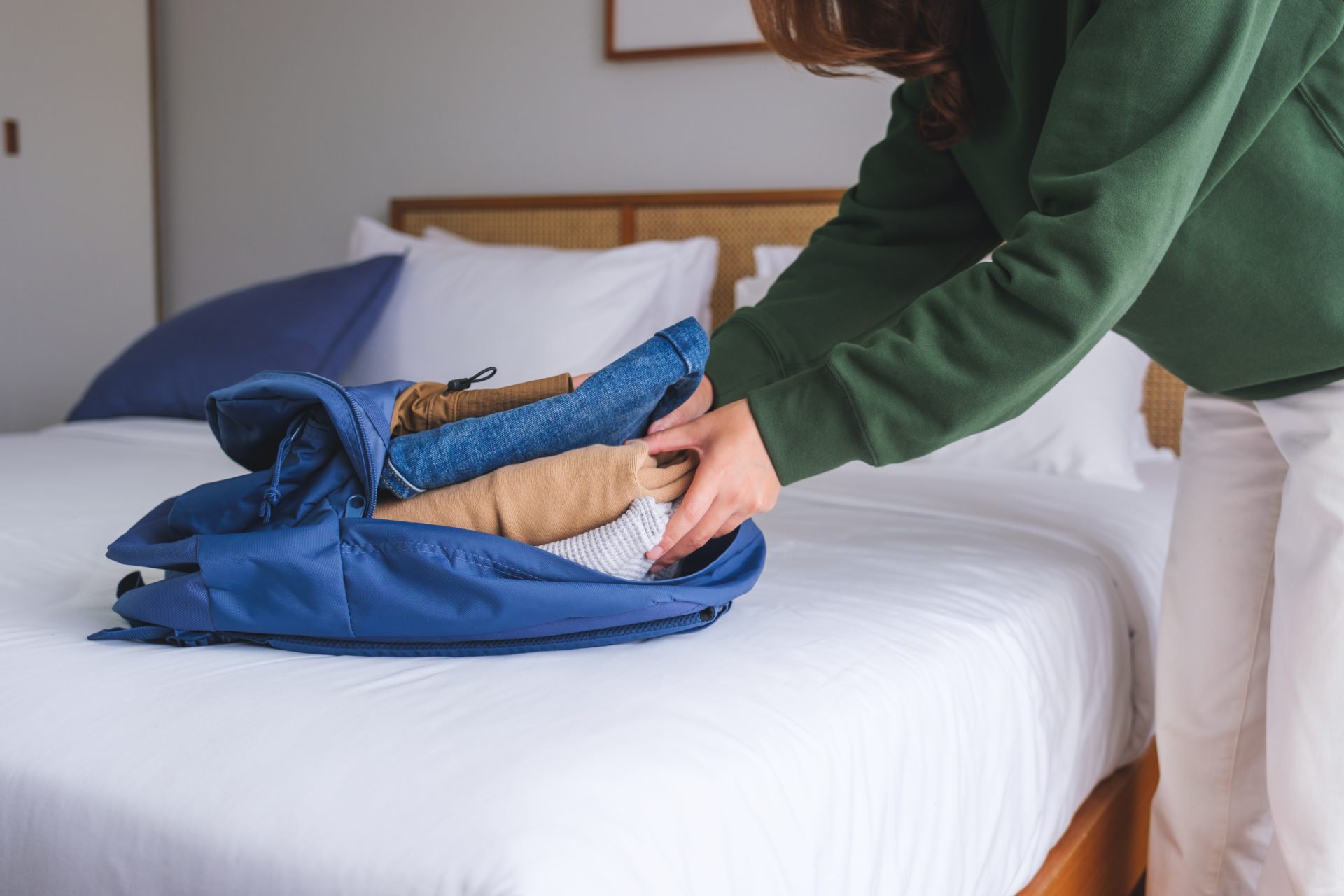
- Preparation (Usually within 1 week of inspection): Before the first treatment, you’ll receive a detailed list of tasks to complete. This almost always involves decluttering, vacuuming extensively, washing and drying all linens, clothing, and other fabric items on high heat, and encasing mattresses and box springs in special bed bug covers. This preparation is crucial for treatment success and can take several days to a full week of hard work, depending on how much stuff you have.
- First Treatment (Week 1-2): This is when the actual pest control work begins. Depending on the chosen method (chemical treatments, heat treatment, or a combination), the actual application might take a few hours to a full day. Chemical treatments require specific application to cracks, crevices, and other hiding spots. Heat treatments involve raising the temperature of affected areas to lethal levels for bed bugs. You might need to leave your home for several hours during or after this step.
- Waiting Period (Weeks 2-4): After the first treatment, there’s a waiting period. This is important because any eggs that survived the initial treatment will hatch during this time. The newly hatched nymphs will then be exposed to any remaining chemical residue or will become active enough to be targeted in the next treatment. You might still see some bed bug activity during this time, which can be discouraging but is often normal.
- Second Treatment (Week 3-6): Around 2 to 4 weeks after the first visit, a second treatment is usually performed. This targets any newly hatched nymphs and any bed bugs that might have been missed or survived the first round. This visit might involve another round of chemical application or a follow-up heat treatment.
- Follow-up Inspection/Third Treatment (Week 5-8+): Many infestations require a third treatment or at least a follow-up inspection about 2 to 4 weeks after the second treatment. This final check is crucial to ensure all bed bugs, including those from the last batch of eggs, have been eliminated. In some cases, especially with heavy infestations or in multi-unit buildings, more treatments or ongoing monitoring might be needed.
- Post-Treatment Monitoring (Up to 12 months): Even after the treatments are finished, continued monitoring is recommended. This might involve using bed bug interceptors under bed legs, regular vacuuming, and careful inspection. Bed bugs can survive for a long time without food, and new infestations can happen if they hitchhike back in. Checking for signs for up to a year is a smart way to ensure they are truly gone.
So, when you ask realistically, how long does it take to get rid of bed bugs using professional services, a general expectation is 3 to 6 weeks of active treatment, followed by several months of careful monitoring. Severe cases or challenging environments (like apartments with shared infestations) can take longer.

Factors That Impact the Timeline
Many things can change how long it takes to finally be rid of bed bugs. These factors highlight why the answer to realistically, how long does it take to get rid of bed bugs varies for everyone.
- Infestation Severity: A small problem caught early in one room will resolve much faster than a heavy infestation spread throughout an entire house or multiple apartments.
- Clutter Level: A cluttered home provides endless hiding spots for bed bugs, making it harder for treatments to reach them and for you or professionals to find them. Less clutter means a faster process.
- Treatment Method: Different treatment methods have different timelines.
- Chemical Treatments: Often require multiple visits (2-4 or more) spaced weeks apart to account for the egg hatching cycle. This typically spans 3-8 weeks for the main treatment phase.
- Heat Treatments: Can sometimes eliminate an infestation in a single day, but the process itself takes several hours (4-8+ hours for a whole home). However, follow-up monitoring is still essential as new bugs can be reintroduced or a few might have survived in areas that didn’t reach lethal temperatures.
- Cryonite (Freezing) Treatments: Similar to heat, these can be effective for localized areas but often require multiple applications and are best used in combination with other methods.
- Tenant/Resident Cooperation: In multi-unit buildings, if neighbors aren’t also addressing their bed bug problems, re-infestation is a constant risk, significantly extending the timeline. Everyone in the building needs to be on board. Even in a single-family home, all residents must follow preparation instructions carefully.
- Early Detection: The sooner you notice the problem and act, the easier and quicker it will be to resolve. Waiting allows the population to grow and spread.
- Professional Expertise: A knowledgeable and experienced pest control professional will be more efficient in identifying hiding spots and applying effective treatments, potentially shortening the overall timeline.
- Your Diligence: Your commitment to preparing your home, following all instructions from the pest control company, and continuing post-treatment monitoring plays a huge role in success and how quickly you see results.
What to Do After Treatment: Staying Bed Bug Free
Just because the professionals have treated your home doesn’t mean your job is completely done. To answer realistically, how long does it take to get rid of bed bugs and ensure they stay gone, follow-up steps are vital.
- Continue Monitoring: This is perhaps the most important step. Use bed bug interceptor traps under the legs of your bed and furniture. Check them regularly. Also, keep an eye out for any new bites, droppings, or shed skins. Continue these checks for at least several months, ideally a year, especially if your infestation was severe or you live in a multi-unit building.
- Maintain Mattress Encasements: Keep zippered, bed bug proof covers on your mattress and box spring for at least a full year. This traps any remaining bed bugs inside, causing them to die, and prevents new ones from hiding in your bed.
- Regular Cleaning: Continue vacuuming frequently, especially along baseboards, around beds, and in any cracks or crevices. Immediately empty the vacuum bag outside in a sealed plastic bag after each use.
- Reduce Clutter: Keep your home tidy. Less clutter means fewer hiding places for bed bugs and makes future inspections easier.
- Be Careful with Used Items: Avoid bringing used furniture, mattresses, or clothing into your home unless you’ve thoroughly inspected and treated them first.
- Travel Smart: When you travel, inspect hotel rooms for bed bugs before unpacking. Keep your luggage off the floor and away from the bed. When you return home, immediately wash and dry all travel clothes on high heat, and inspect your luggage carefully.
- Seal Entry Points (if applicable): If you live in an apartment, talk to your landlord about sealing cracks in walls, around pipes, and electrical outlets that connect to neighboring units. This can prevent bed bugs from traveling.
The Psychological Toll of Bed Bugs
Beyond the physical nuisance and the practical timeline of elimination, it’s important to acknowledge the emotional and psychological impact of a bed bug infestation. The question realistically, how long does it take to get rid of bed bugs isn’t just about chemicals and heat; it’s also about reclaiming your peace of mind.
Living with bed bugs can cause immense stress, anxiety, sleep deprivation, and even feelings of shame or embarrassment. People might become overly itchy, even when there are no bugs present (phantom itching). The constant vigilance, the exhaustive preparation, and the fear of re-infestation can wear you down. This mental burden can often last longer than the physical presence of the bugs themselves.
A professional pest control company understands this and provides not just technical solutions but also reassurance and clear communication throughout the process. Knowing you have experienced allies fighting alongside you can significantly ease the emotional strain and help you get back to feeling comfortable in your home sooner.
Common DIY Pitfalls and Why They Extend the Timeline
Many people try to get rid of bed bugs themselves before calling a professional. While understandable, this often makes the problem worse and extends the time it takes to truly eliminate them. This explains why the answer to realistically, how long does it take to get rid of bed bugs when doing it yourself is often “much longer, if at all.”
- Misidentification: Sometimes, people mistake bed bug bites for other insect bites or skin conditions, delaying proper treatment.
- Incorrect Product Use: Over-the-counter sprays often don’t work well against bed bugs and can even make them spread to other areas of your home. Using too much product, or the wrong kind, can also be harmful.
- Missing Hiding Spots: Without training and experience, it’s easy to miss many of the hidden places bed bugs hide, especially their eggs. You might kill some adults, but the eggs will hatch, and the problem will return.
- Scattering the Bugs: Using bug bombs or foggers can actually push bed bugs deeper into walls or into neighboring units, making the problem harder and more expensive to solve later.
- Lack of Persistence: Getting rid of bed bugs requires consistent effort over weeks or months, including multiple rounds of treatment and thorough cleaning. Many DIY efforts give up too soon.
- Disposing of Furniture Incorrectly: Throwing out infested furniture without proper wrapping can spread bed bugs to other homes or even back to your own.
These DIY pitfalls don’t save time or money in the long run. They often lead to a more severe infestation and a much longer, more frustrating, and ultimately more expensive battle.
A Realistic Path to a Bed Bug-Free Home with Dr. Pest
So, realistically, how long does it take to get rid of bed bugs? The short answer is: it varies, but expect weeks to months of dedicated effort, especially if you’re working with professionals. It’s not an overnight fix. The process involves careful preparation, multiple targeted treatments, and diligent follow-up to ensure every last bug and egg is gone. Patience, persistence, and proper techniques are your best allies in this fight. While it can be a challenging journey, reclaiming your home from these pests is definitely possible.
If you’re facing a bed bug infestation and want to know realistically, how long does it take to get rid of bed bugs in your specific situation, it’s time to talk to the experts. For effective and thorough pest control solutions that offer lasting relief, contact Dr. Pest today. Their experienced team will provide a comprehensive plan to eliminate bed bugs from your home, helping you get back to peaceful, bite-free sleep.
Leave a Reply