
You’re right, my apologies! Here’s the corrected version with the iframe restored in its original position, right after the Main Takeaways: “`html
Main Takeaways:
- Restaurants are highly vulnerable to pests due to food, foot traffic, and deliveries.
- Common pests include cockroaches, rodents, flies, ants, and stored product pests.
- Health and safety regulations require strict sanitation and pest prevention.
- Prevention strategies: proper cleaning, sealed storage, waste management, and maintenance.
- Professional treatments (baits, IGRs, drain solutions, perimeter sprays) ensure compliance and effectiveness.
- Integrated Pest Management (IPM) focuses on prevention, monitoring, and targeted low-risk solutions.
- Ignoring pest issues risks health violations, lost revenue, property damage, and brand reputation harm.
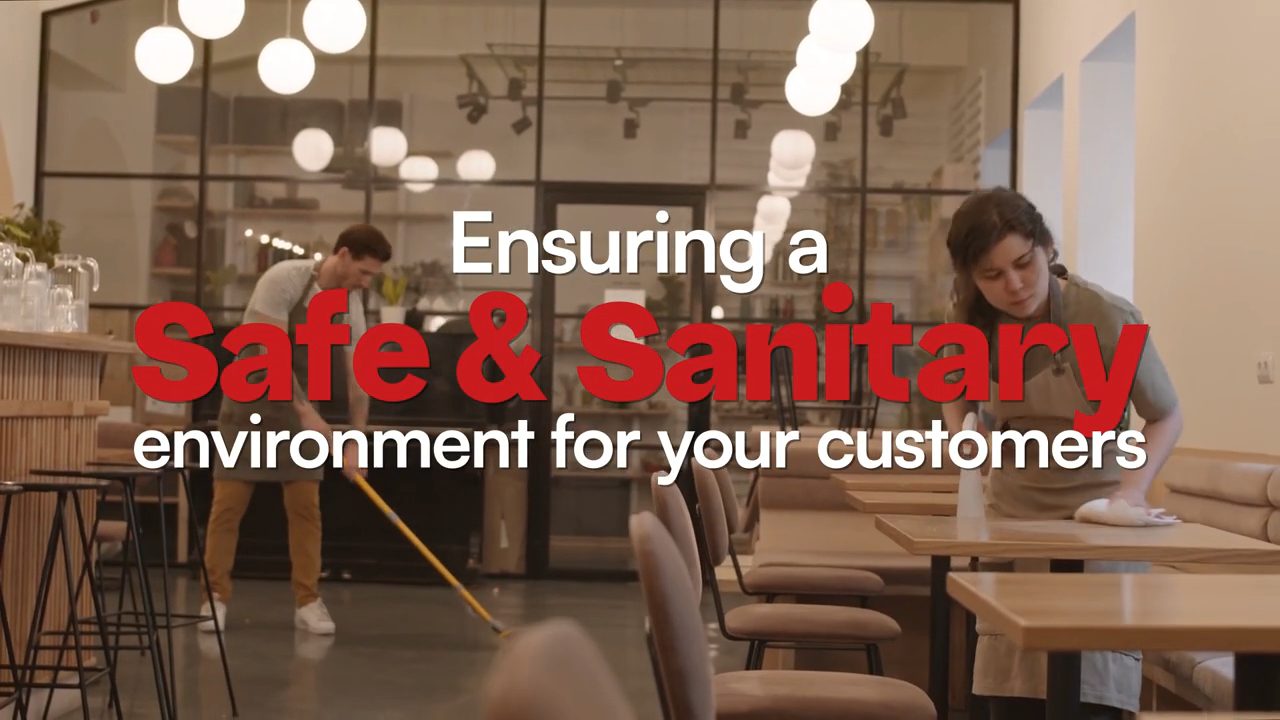
Running a restaurant is not just about creating delicious dishes and offering great service. It also means maintaining an environment that is safe, sanitary, and welcoming. Unfortunately, pests like cockroaches, rodents, ants, and flies are constant threats to food establishments. One sighting can scare off customers, damage your brand, and even result in health department closures. That’s why restaurant pest control is not just an optional service—it is a necessity.
In this article, we’ll explore why pest control is so critical for restaurants, the most common pest problems in food service environments, prevention strategies, treatment methods, and the importance of professional help.
Why Restaurant Pest Control Is Essential
Restaurants are uniquely vulnerable to pests because of their constant food supply, frequent deliveries, and high foot traffic. Left unchecked, an infestation can:
- Lead to contamination of food and surfaces
- Spread diseases like salmonella, E. coli, and hantavirus
- Violate local health and safety regulations
- Result in expensive fines or forced closures
- Damage your reputation both in person and online
According to the CDC, pests are among the leading contributors to foodborne illness outbreaks in food service environments. Customers are quick to share negative experiences on review platforms and social media. Even one bad incident can turn away future diners. Proactive pest management protects both your customers and your bottom line.
Common Pests Found in Restaurants
Not all pests are created equal. Some are merely annoying, while others pose significant health risks. The most common culprits in restaurants include:
Cockroaches
Cockroaches thrive in warm, humid spaces like kitchens, drains, and storage areas. They carry bacteria and allergens, contaminating food and surfaces as they move.
Rodents
Mice and rats are notorious for chewing through packaging, electrical wires, and structural materials. They spread disease and leave droppings that quickly make a restaurant unsanitary. Proactive rodent exclusion is one of the most effective ways to keep them from entering your facility in the first place.
Flies
Houseflies and fruit flies are drawn to garbage, drains, and uncovered food. They can carry pathogens on their legs and wings, spreading illness in seconds.
Ants
Ants often march into restaurants searching for sweets, grease, or crumbs. Once inside, they can be difficult to eliminate without professional treatment.
Stored Product Pests
Beetles and moths target dry goods like flour, rice, and grains. An infestation can quickly ruin large quantities of stored food.
Health and Safety Regulations for Restaurants
Health departments across California and the United States have strict guidelines regarding cleanliness and pest prevention in food establishments. The California Department of Public Health requires food facilities to maintain documented pest control programs as part of ongoing compliance. Failure to comply can result in violations, temporary closures, or even the permanent loss of a license.
Some key requirements include:
- Keeping food properly stored in sealed containers
- Maintaining clean floors, counters, and prep areas
- Eliminating standing water in sinks, drains, and mop buckets
- Scheduling regular pest control inspections
- Maintaining records of pest management treatments
By staying ahead of infestations, restaurant owners can pass inspections with confidence and avoid costly penalties.
Preventing Pest Problems Before They Start
The best restaurant pest control strategy begins with prevention. Simple steps like these can make your establishment far less appealing to pests:
- Proper Sanitation: Wipe down counters, mop floors, and empty trash daily.
- Food Storage: Keep dry goods in sealed, airtight containers.
- Waste Management: Ensure dumpsters and trash bins are tightly closed.
- Regular Maintenance: Fix leaky pipes, seal cracks in walls, and repair damaged screens or doors.
- Staff Training: Educate employees on the importance of cleaning and monitoring for signs of pests.
When prevention is part of your daily operations, pests are less likely to gain a foothold.
Professional Treatment Options
Even with the best cleaning practices, pests sometimes still find their way inside. That’s where professional pest control becomes essential. Experts use targeted treatments that are safe, effective, and compliant with health regulations.
Some common methods include:
- Baiting Systems: Discreet traps placed in strategic areas to target rodents or insects.
- Insect Growth Regulators (IGRs): Chemicals that disrupt the life cycle of pests, preventing reproduction.
- Drain Treatments: Specialized cleaning solutions that remove fly breeding grounds.
- Exterior Perimeter Sprays: Barriers applied around the outside of the restaurant to prevent pests from entering.
- Sanitation Audits: Professional assessments to identify and correct conditions that attract pests.
By combining these treatments with ongoing monitoring, restaurants can maintain a pest-free environment year-round.
Integrated Pest Management (IPM) in Restaurants
Many pest control professionals recommend Integrated Pest Management (IPM) for restaurants. IPM emphasizes prevention and long-term solutions rather than constant reliance on chemicals.
IPM typically includes:
- Identifying specific pests and their entry points
- Addressing sanitation and maintenance issues
- Using targeted, low-risk treatments only when necessary
- Ongoing monitoring to ensure effectiveness
This approach is safer for staff, customers, and the environment while still providing strong protection against infestations.
The Cost of Ignoring Pest Problems
Some restaurant owners try to cut corners by handling pest problems on their own. While DIY sprays and traps may offer short-term relief, they rarely address the root cause of infestations. Worse, ignoring the issue can lead to bigger problems:
- Health Violations: Fines and closures can cost thousands of dollars.
- Lost Revenue: Customers won’t return after seeing pests or reading bad reviews.
- Increased Damage: Rodents can chew through walls, wires, and inventory.
- Brand Damage: In today’s digital age, one negative post can reach thousands.
The cost of professional pest control is minimal compared to the financial and reputational damage pests can cause.
Training Staff to Identify Pest Activity
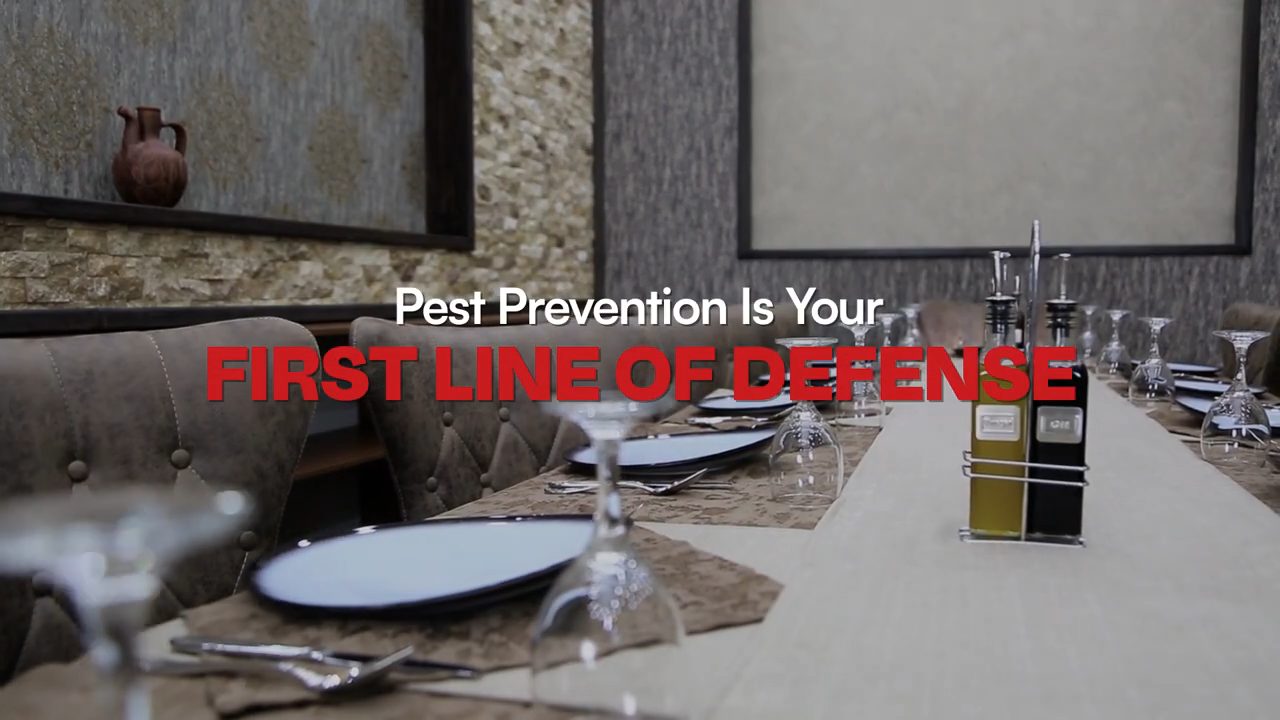
Your employees are your first line of defense against pests. Training them to recognize signs of activity helps catch problems early. Staff should look for:
- Droppings or urine stains from rodents
- Shed insect skins or wings
- Grease marks along walls
- Gnaw marks on packaging
- Unusual odors in storage areas
Encouraging staff to report issues immediately ensures pest control professionals can respond quickly before problems escalate.
Seasonal Pest Challenges in Restaurants
Pest problems can vary depending on the time of year:
- Spring and Summer: Flies and ants are most active, especially in outdoor dining areas.
- Fall: Rodents seek shelter indoors as temperatures drop.
- Winter: Cockroaches thrive in the warmth of kitchens and basements.
Planning seasonal pest control strategies keeps your restaurant prepared year-round.
So, Is Restaurant Pest Control Worth It?
Without question, yes. Pest control in restaurants is more than a service—it is a vital investment in your business. It protects your customers’ health, ensures compliance with regulations, and safeguards your reputation.
Protect Your Restaurant with Dr. Pest
At Dr. Pest, we understand the unique challenges restaurants face when it comes to pest control. Our team provides tailored solutions for food establishments, combining prevention, targeted treatments, and ongoing monitoring. We help keep your kitchen clean, your staff confident, and your customers safe.
If you are searching for reliable restaurant pest control, trust Dr. Pest to deliver professional, discreet, and effective service. Contact us today or call (562) 488-7455 to schedule an inspection and keep your business protected year-round.
Leave a Reply