
Introduction
In today’s connected world, a single pest sighting can have consequences far beyond the immediate problem.
Whether it’s a customer spotting a cockroach in a restaurant, a tenant reporting rodents in an apartment complex, or an employee sharing concerns about pests in the workplace, these incidents can quickly impact how people view your business.
For many companies, reputation is one of their most valuable assets. Years of hard work building customer trust can be damaged by a pest issue that could have been prevented or addressed earlier.
In Long Beach, Seal Beach, Huntington Beach, Torrance or Newport Beach? Dr. Pest works these cities every week. Call (562) 488-7455 for a free inspection and a written quote before any work starts, or see the city we cover nearest you.
The reality is that pest problems are no longer just a maintenance issue. They are a customer experience issue, a brand issue, and a business issue.
In this article, we’ll explore how pest infestations can affect your reputation and why proactive commercial pest control is an important part of protecting your business.
Why Reputation Matters More Than Ever
Consumers have more access to information than ever before.
Before choosing a business, many people check:
- Google reviews
- Social media pages
- Online ratings
- Local business directories
A single negative experience can influence dozens or even hundreds of potential customers.
When pest issues become public, they often leave a lasting impression that can be difficult to overcome.
Many consumers are willing to forgive a delayed order or a scheduling mistake. They are often much less forgiving when health, cleanliness, or safety concerns are involved.
1. Negative Online Reviews Can Spread Quickly
One of the fastest ways a pest problem can damage a business is through online reviews.
Imagine a customer seeing:
- A cockroach in a restroom
- Ants near a dining area
- Rodent droppings in a common area
- Flies around food service areas
Even if the issue is isolated, many customers immediately share their experiences online.
A single review mentioning pests can:
- Lower ratings
- Reduce customer confidence
- Influence future buying decisions
For businesses that rely heavily on local reviews, reputation damage can have a direct impact on revenue.

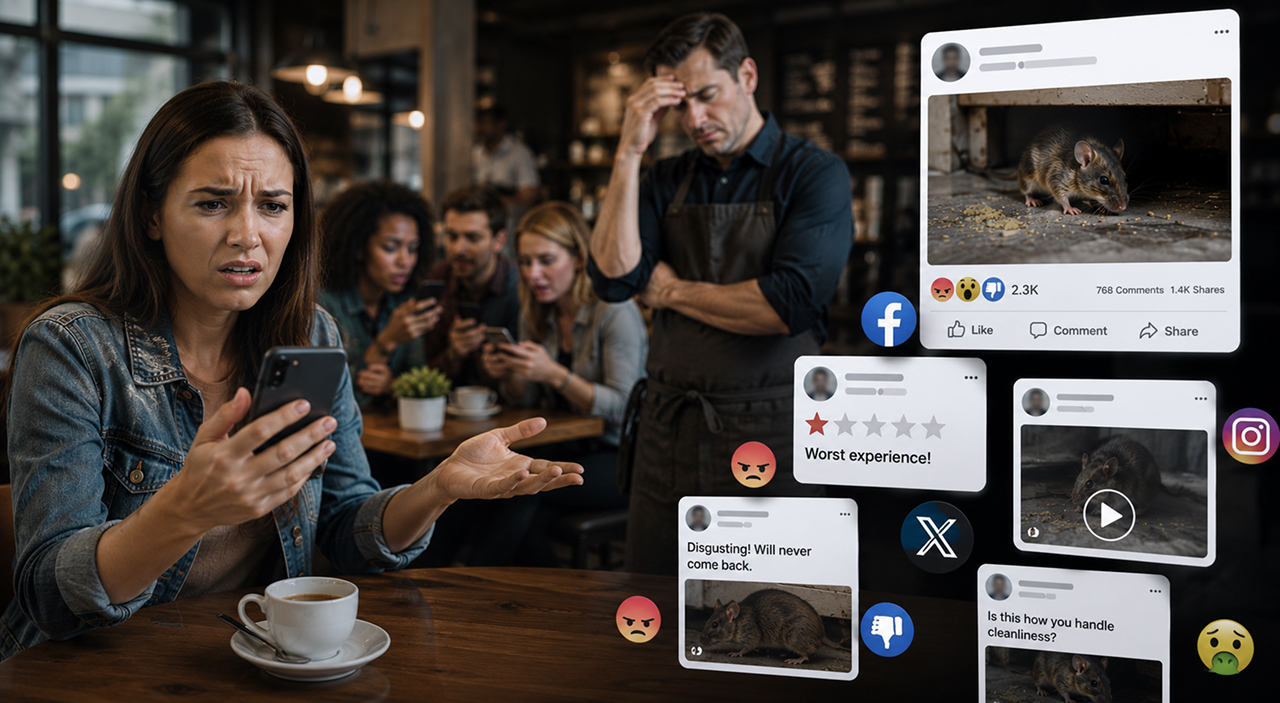
2. Social Media Makes Problems Highly Visible
Years ago, a customer might tell a few friends about a bad experience.
Today, a photo or video can reach thousands of people within hours.
Social media platforms allow customers to instantly share:
- Photos
- Videos
- Reviews
- Complaints
Pest sightings often generate strong reactions because they create concerns about cleanliness and safety.
Even if a business addresses the issue quickly, the public perception may persist long after the infestation is resolved.
3. Customers May Question Cleanliness and Safety
When customers see pests, they often assume larger problems exist behind the scenes.
Common concerns include:
- Sanitation issues
- Health risks
- Building maintenance problems
- Poor management practices
This is especially important for businesses such as:
- Restaurants
- Medical offices
- Hotels
- Retail stores
- Apartment communities
Customers frequently associate visible pests with a lack of attention to detail, regardless of the actual cause.

4. Employee Morale Can Be Affected
Reputation isn’t only about customers.
Employees also notice pest activity.
When staff members encounter pests regularly, it can create concerns about:
- Workplace safety
- Cleanliness
- Professionalism
- Management responsiveness
These concerns may impact morale and job satisfaction.
Addressing pest issues quickly demonstrates a commitment to maintaining a safe and professional work environment.

5. Tenant Satisfaction Can Decline
For property managers and apartment owners, pest problems can significantly affect tenant relationships.
Common complaints include:
- Rodents
- Cockroaches
- Ant infestations
- Bed bugs
- Common area pest activity
When tenants feel their concerns are not addressed, they may:
- Leave negative reviews
- File complaints
- Choose not to renew leases
- Recommend against the property
Protecting tenant satisfaction often requires proactive pest management.

6. Health Department Issues Can Damage Public Trust
Certain industries face regulatory oversight regarding sanitation and pest management.
Examples include:
- Restaurants
- Food processing facilities
- Healthcare facilities
- Schools
A documented pest issue may contribute to:
- Health inspections
- Compliance concerns
- Public reporting
Even when problems are corrected, public records and online discussions may continue influencing customer perception.

7. Brand Image Takes Time to Rebuild
One of the most challenging aspects of reputation damage is that recovery often takes far longer than prevention.
Businesses may spend years building trust with customers, only to have that trust questioned after a highly visible pest issue.
Rebuilding confidence often requires:
- Corrective action
- Improved communication
- Ongoing maintenance
- Consistent positive customer experiences
Preventing infestations is often far less costly than repairing a damaged reputation.

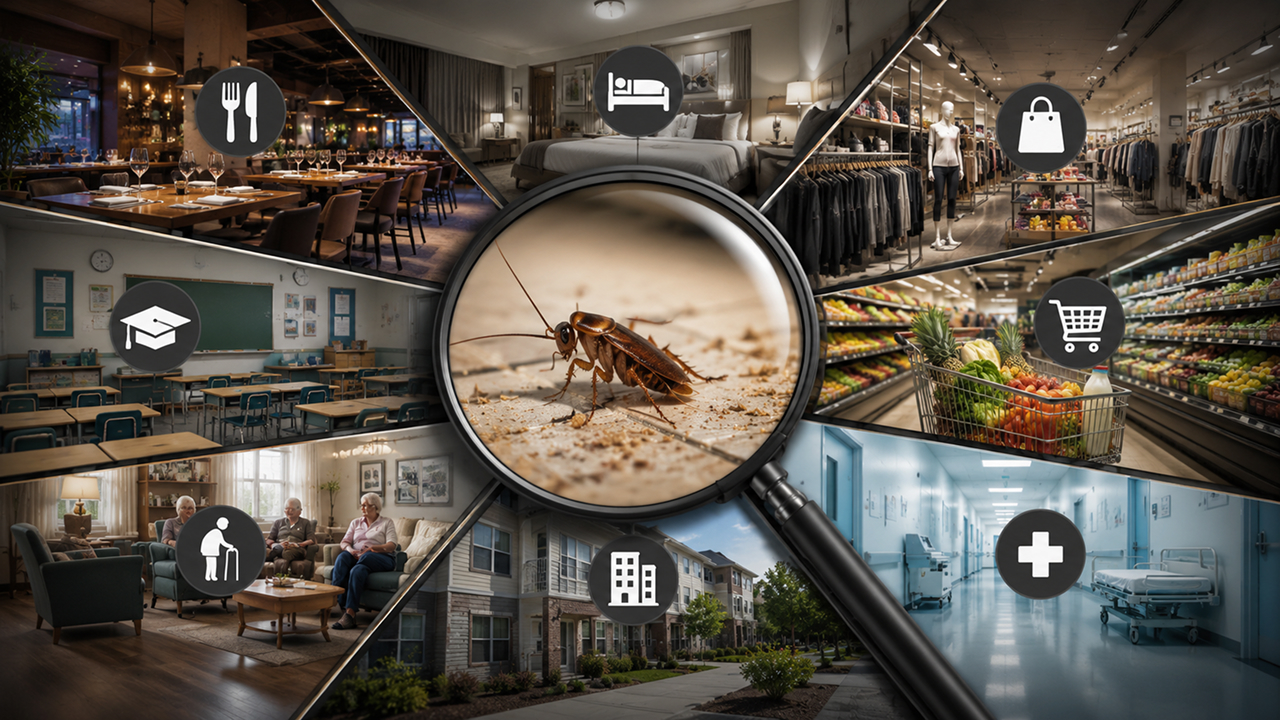
Industries Most Vulnerable to Reputation Damage
While every business can be affected, some industries face elevated risks.
These include:
- Restaurants
- Hotels
- Retail stores
- Grocery stores
- Medical facilities
- Apartment communities
- Senior living facilities
- Schools
In these environments, public perception plays a major role in customer and tenant decision-making.
How Proactive Pest Control Protects Your Reputation
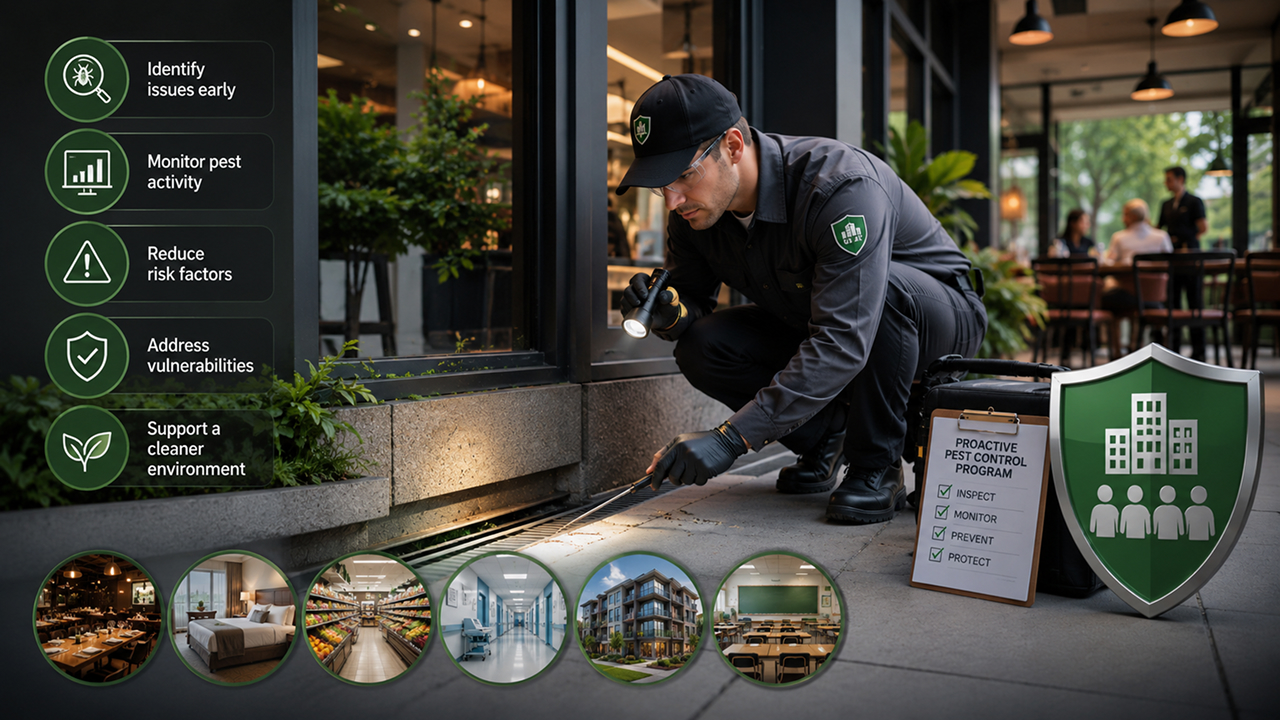
The best way to protect your reputation is to prevent visible pest activity before customers, tenants, or employees encounter it.
A proactive commercial pest management program can help:
- Identify issues early
- Monitor pest activity
- Reduce risk factors
- Address vulnerabilities
- Support a cleaner environment
Rather than reacting to infestations after they become visible, proactive programs focus on prevention and long-term management.
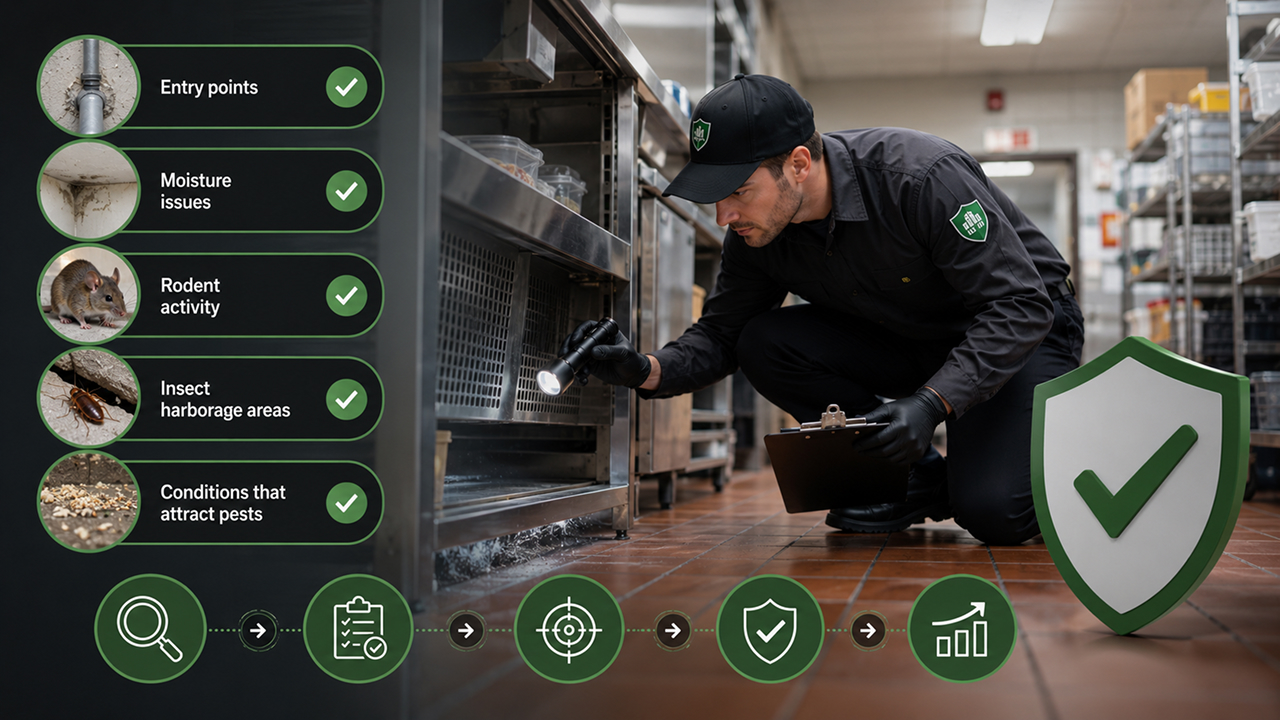
Why Commercial Pest Inspections Matter
Routine inspections help identify problems that may not yet be obvious.
A professional inspection can uncover:
- Entry points
- Moisture issues
- Rodent activity
- Insect harborage areas
- Conditions that attract pests
Early detection allows businesses to address concerns before they affect customers or operations.
Commercial Pest Control Services
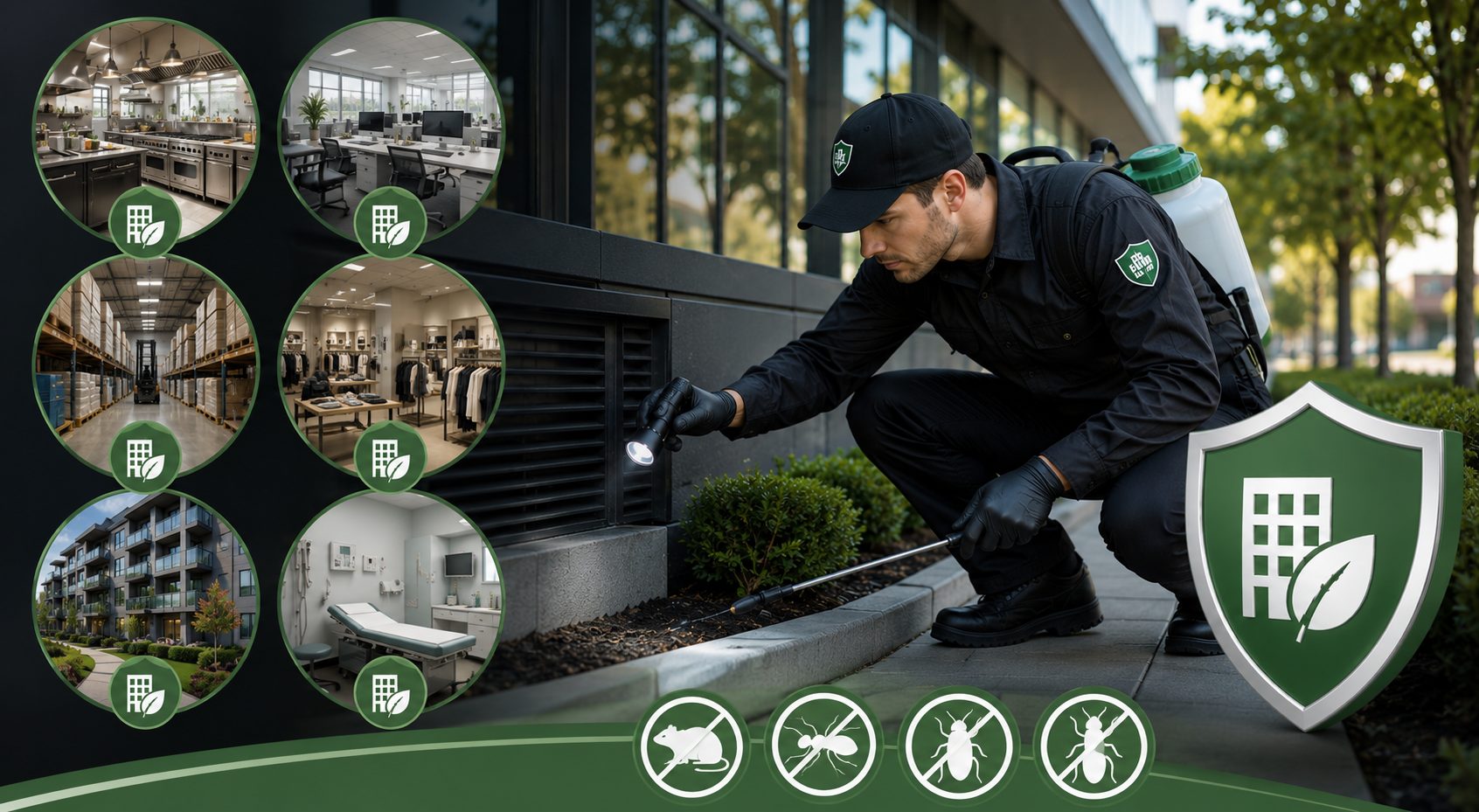
Every business faces unique pest risks.
Whether you manage a restaurant, office building, warehouse, retail location, apartment community, or healthcare facility, protecting your reputation requires more than simply reacting to infestations after they occur.
Learn more about commercial pest control services at:
Conclusion
Pest problems can impact far more than a building.
They can affect customer trust, employee confidence, tenant satisfaction, online reviews, and overall business reputation.
Because reputation is often one of a company’s most valuable assets, taking a proactive approach to pest management is an investment in the long-term success of the business.
Identifying and addressing pest issues early helps reduce risk, protect customers, and preserve the reputation you’ve worked hard to build.
FAQ: Commercial Pest Control and Business Reputation
1. How can pests hurt a business’s reputation?
Pest sightings can create negative impressions and lead to poor reviews, customer complaints, and loss of trust.
2. Do online reviews really impact businesses?
Yes. Many customers rely heavily on reviews when choosing where to spend their money.
3. Why do customers react strongly to pest sightings?
Pests often raise concerns about cleanliness, safety, and sanitation.
4. Can one pest sighting cause reputation damage?
Yes. Even a single visible incident can result in negative reviews or social media exposure.
5. Which businesses are most vulnerable to reputation damage from pests?
Restaurants, hotels, healthcare facilities, retail stores, and apartment communities often face the highest risks.
6. Can pests affect tenant satisfaction?
Absolutely. Recurring pest issues are a common source of tenant complaints.
7. Do employees report pest concerns?
Yes. Employees are often among the first people to notice signs of pest activity.
8. Can social media amplify pest problems?
Yes. Photos and videos can spread quickly and reach large audiences.
9. Why is prevention important?
Preventing infestations is typically easier and less expensive than repairing reputation damage.
10. How do pests affect restaurants?
They can create health concerns, trigger negative reviews, and potentially contribute to compliance issues.
11. What role do inspections play in prevention?
Inspections help identify problems before they become visible to customers or employees.
12. Can pests lead to lost revenue?
Yes. Customers may choose competitors if they lose confidence in a business.
13. How often should businesses schedule pest inspections?
The appropriate frequency depends on industry risks and property conditions.
14. What should businesses do if customers report pests?
Investigate the issue promptly and take corrective action immediately.
15. Can clean businesses still experience pest problems?
Yes. Even well-maintained facilities can develop pest issues if conditions allow access to food, water, or shelter.
16. How do property managers benefit from pest control?
Proactive pest management helps improve tenant satisfaction and reduce complaints.
17. What industries benefit most from preventative pest control?
Virtually all commercial properties benefit, especially those serving customers directly.
18. Does pest control help support regulatory compliance?
Yes. Pest management is often part of maintaining a safe and compliant facility.
19. How can businesses reduce pest-related risks?
Regular inspections, preventative maintenance, and professional pest control services can help.
20. When should a business contact a commercial pest control provider?
As soon as signs of pest activity are observed or before issues become visible to customers.
Leave a Reply