
Introduction
At first glance, pest control might seem like the same service whether it’s performed at a home or a business.
After all, ants are ants…right?
Not exactly.
In Long Beach, Seal Beach, Huntington Beach, Torrance or Newport Beach? Dr. Pest works these cities every week. Call (562) 488-7455 for a free inspection and a written quote before any work starts, or see the city we cover nearest you.
While many of the same pests can be found in both residential and commercial properties, the way they’re managed—and the challenges they create—are often very different.
A restaurant, warehouse, office building, apartment community, medical facility, or manufacturing plant has unique operational requirements, higher occupancy levels, and greater liability than a typical home.
Because of this, commercial pest management requires specialized inspection procedures, customized treatment plans, ongoing monitoring, and a proactive approach focused on preventing disruptions to business operations.
Understanding these differences can help business owners choose the right pest management program for their facility.
What You’ll Learn
- How commercial pest control differs from residential service
- Why businesses require customized pest management plans
- Common pests found in commercial properties
- Why prevention is critical for businesses
- How ongoing monitoring protects commercial facilities
Why Commercial Pest Control Is Different
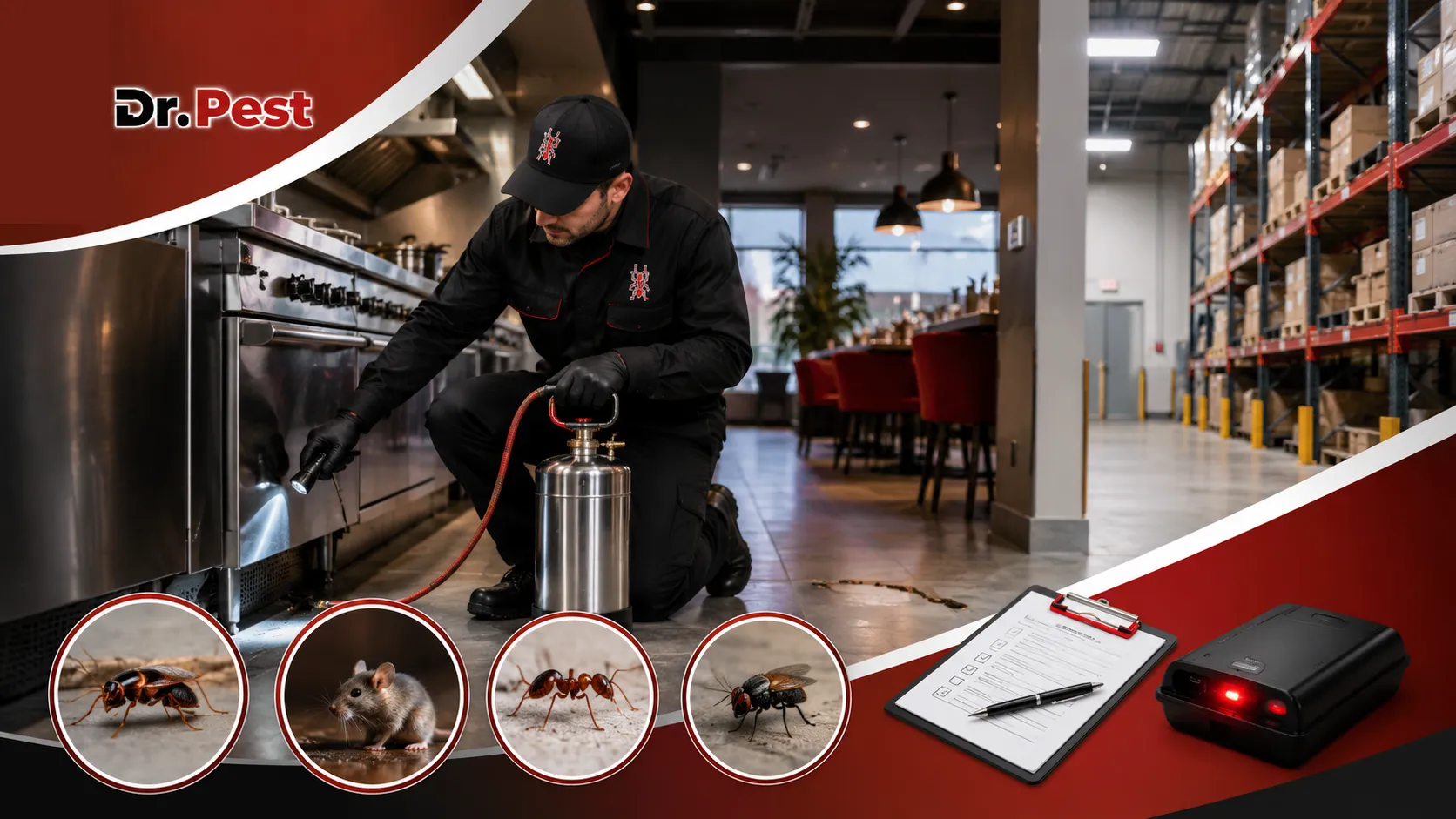
The goal of residential pest control is usually straightforward: eliminate pests from a home and help prevent them from returning.
Commercial pest management has a broader objective.
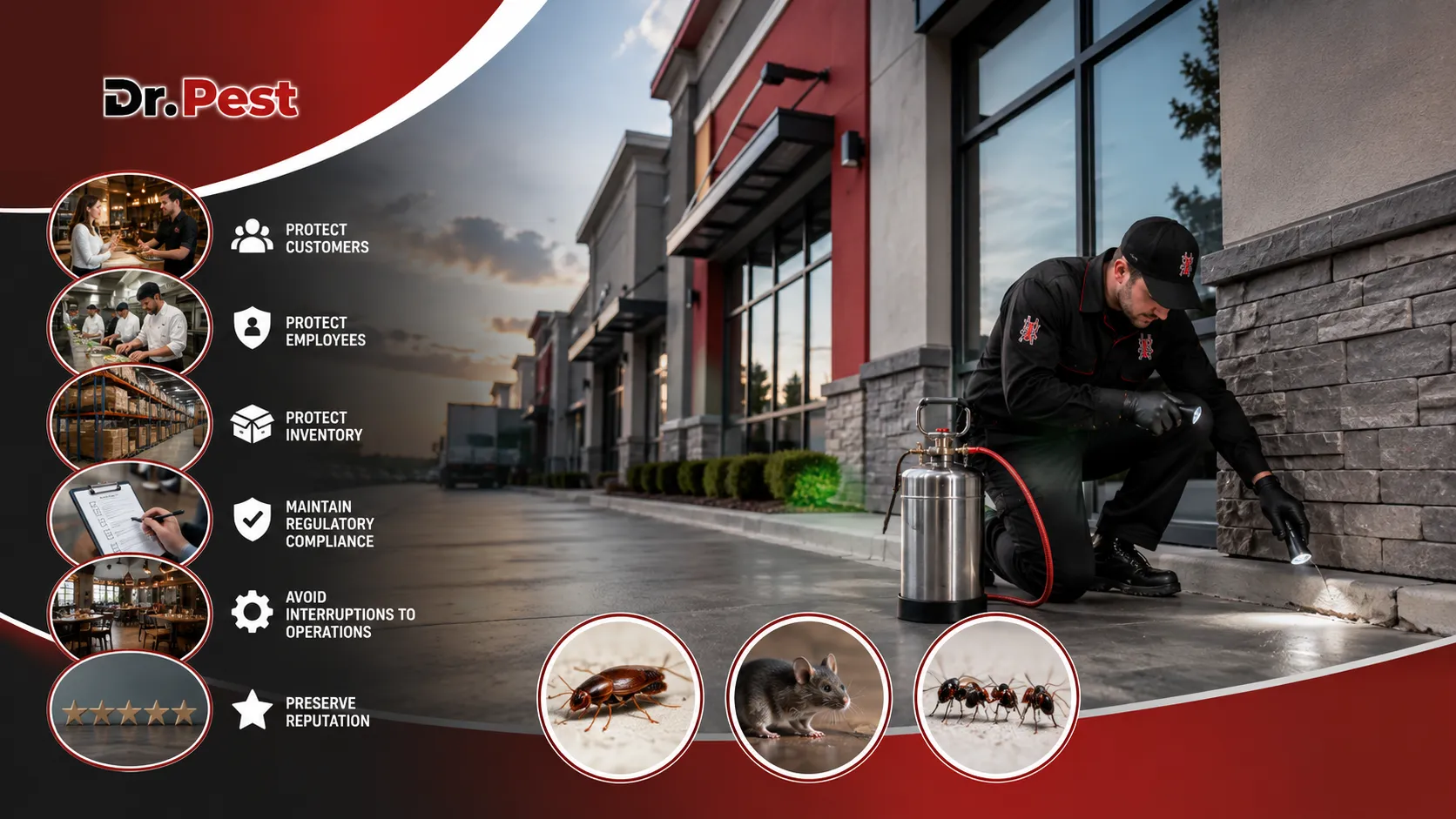
In addition to eliminating pests, it helps businesses:
- Protect customers
- Protect employees
- Protect inventory
- Maintain regulatory compliance
- Avoid interruptions to operations
- Preserve their reputation
Commercial properties also tend to be much larger and more complex than residential homes, requiring a more strategic approach.
1. Commercial Buildings Face Greater Pest Pressure
Businesses often create ideal environments for pests.
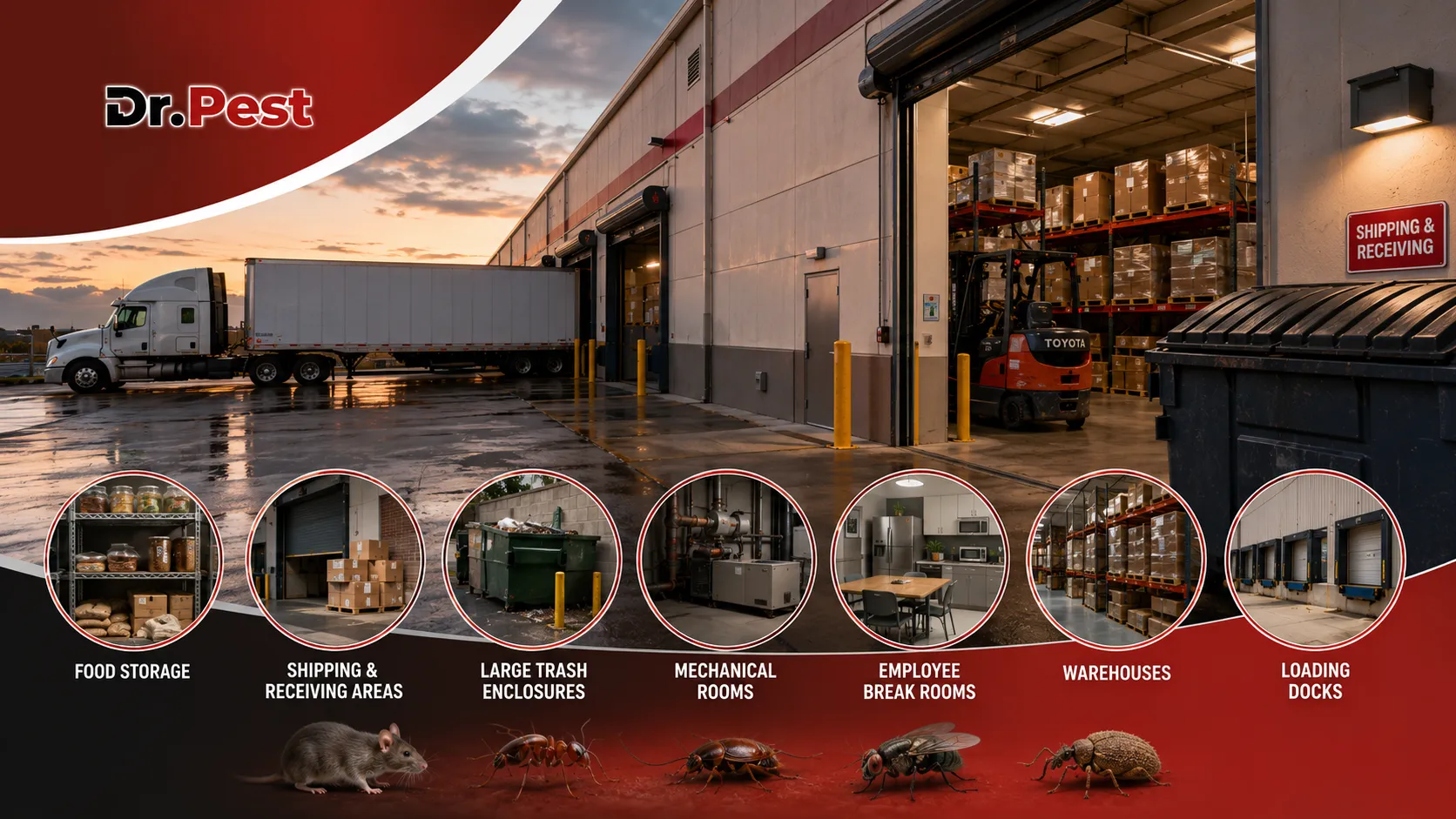
Depending on the industry, commercial facilities may contain:
- Food storage
- Shipping and receiving areas
- Large trash enclosures
- Mechanical rooms
- Employee break rooms
- Warehouses
- Loading docks
These conditions create more opportunities for rodents, ants, cockroaches, flies, stored-product pests, and other insects.
Unlike most homes, commercial properties often receive deliveries every day, creating additional opportunities for pests to enter the building.
2. Every Business Has Different Risks
No two commercial properties are exactly alike.
For example:
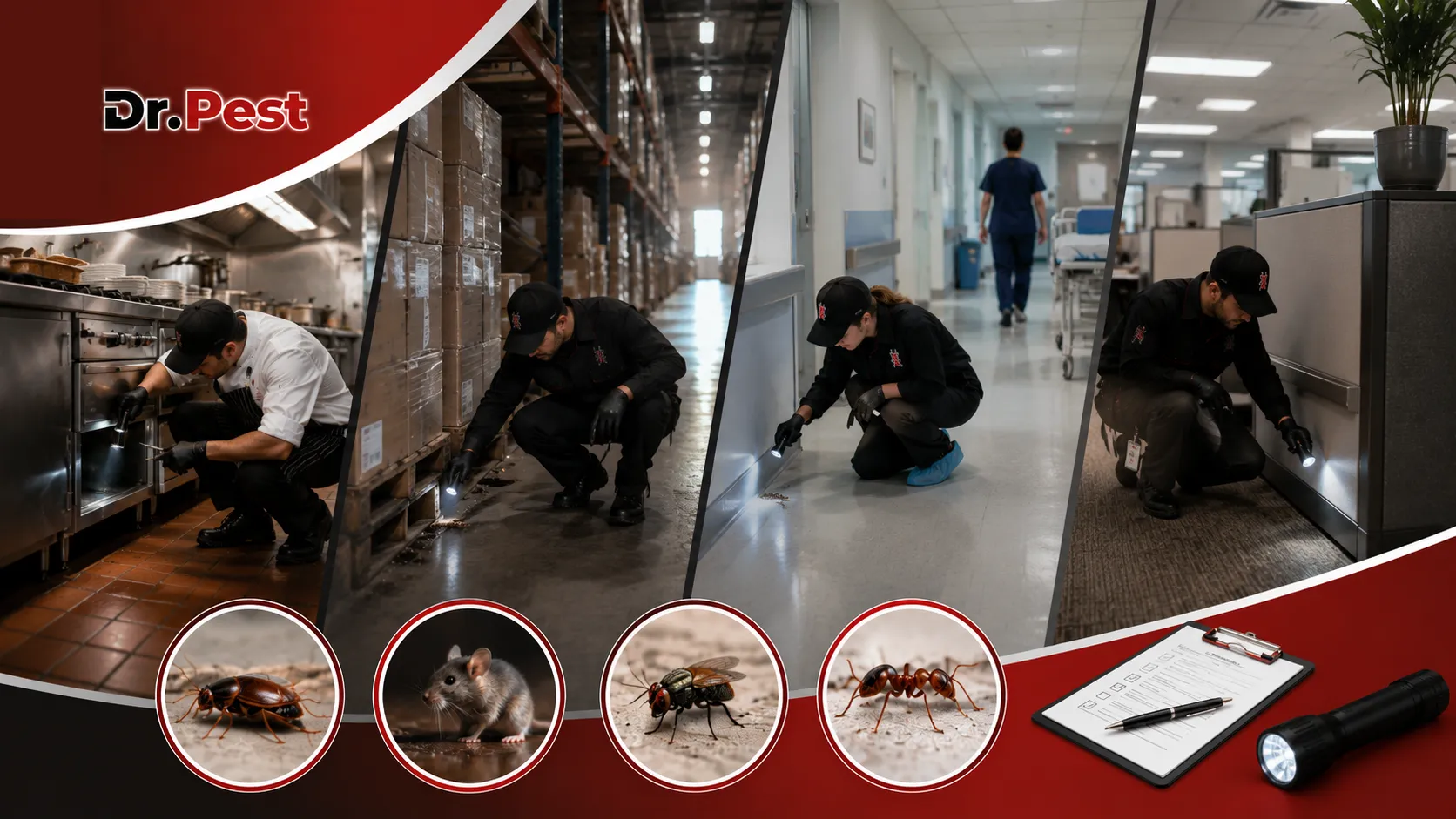
Restaurants
Require aggressive monitoring for:
- Cockroaches
- Rodents
- Flies
- Stored-product pests
Warehouses
Often focus on:
- Rodents
- Birds
- Stored-product pests
- Exterior pest prevention
Medical Facilities
Require pest management that supports patient safety and regulatory requirements.
Office Buildings
Frequently experience:
- Ants
- Rodents
- Occasional cockroach activity
- Spider issues
Each facility requires a customized treatment strategy based on how the building is used.
3. Commercial Pest Control Focuses on Prevention
Most homeowners call after they’ve already seen pests.
Commercial programs work differently.
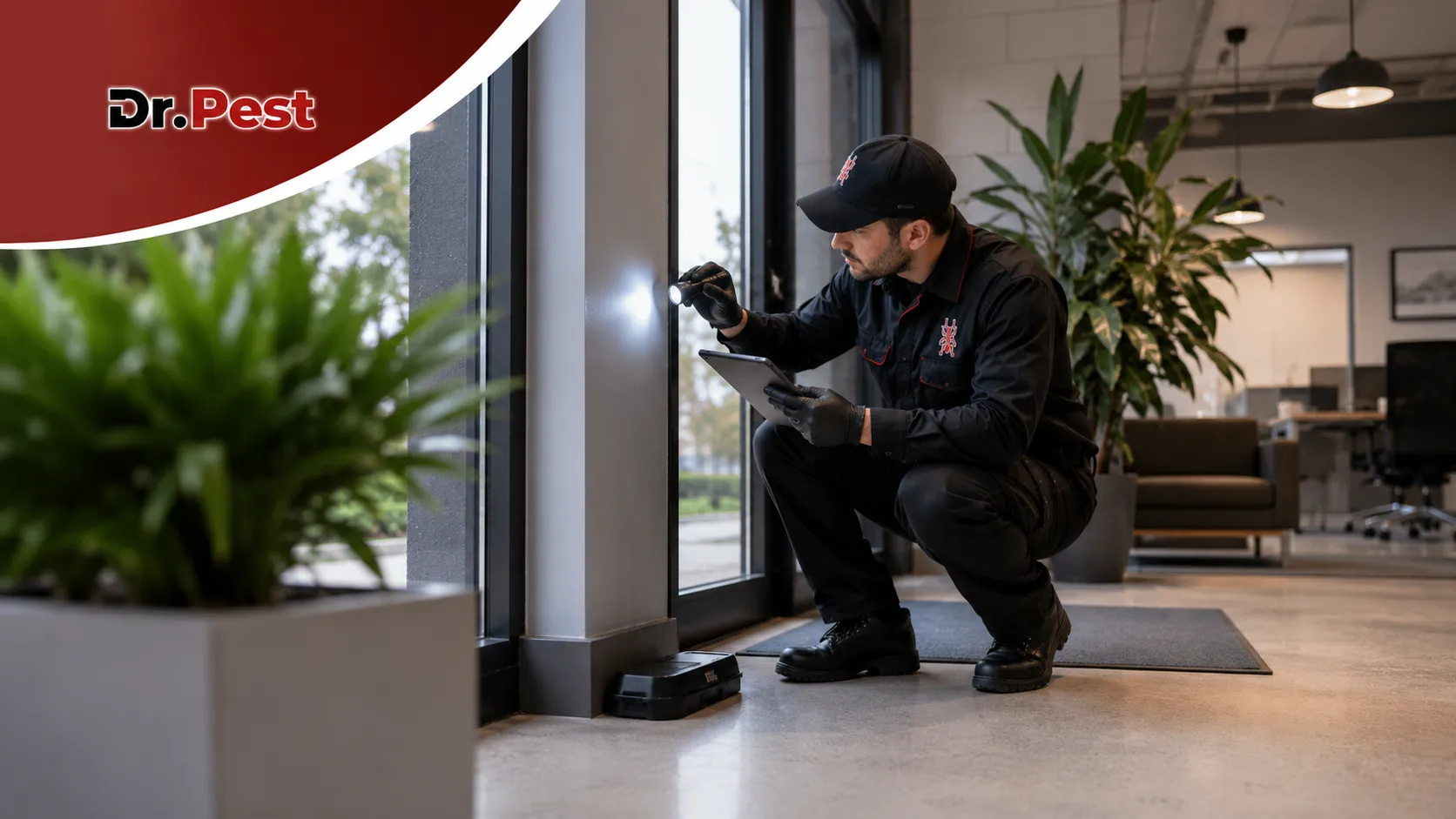
Routine inspections allow technicians to identify:
- Entry points
- Moisture issues
- Sanitation concerns
- Structural vulnerabilities
- Early pest activity
Addressing these issues before infestations develop is often the most effective approach.
According to the United States Environmental Protection Agency, Integrated Pest Management (IPM) emphasizes prevention, monitoring, sanitation, and targeted treatments rather than relying solely on pesticide applications.
Learn more:
https://www.epa.gov/safepestcontrol/integrated-pest-management-ipm-principles
4. Businesses Often Need More Frequent Service
Most homes receive pest control on a monthly, bi-monthly, or quarterly basis.
Commercial properties often require more frequent visits depending on:
- Industry
- Building size
- Health regulations
- Customer traffic
- Pest pressure
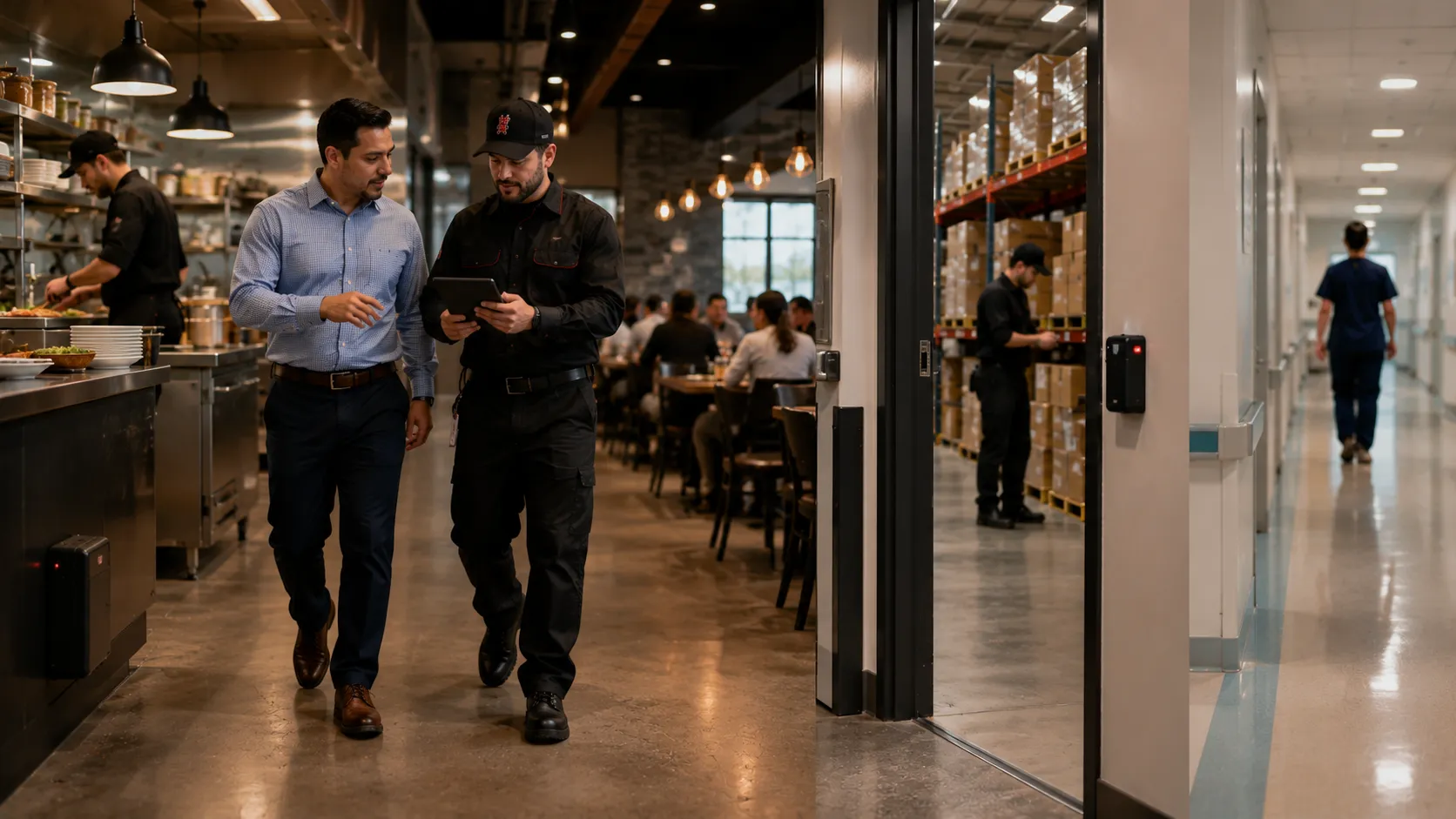
Restaurants, food processing facilities, healthcare environments, and apartment communities often benefit from regular inspections and ongoing monitoring throughout the year.
5. Documentation Matters
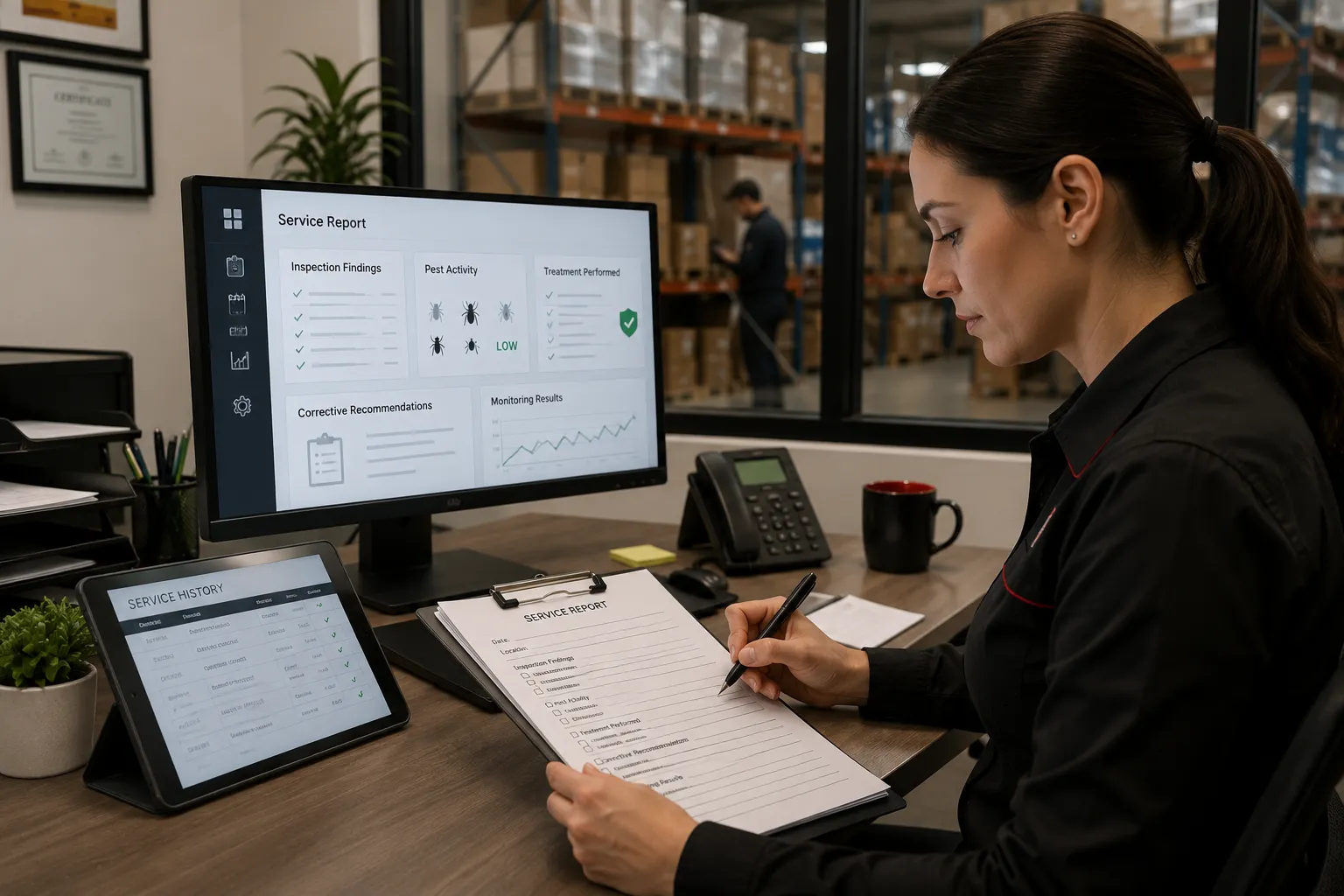
One of the biggest differences between residential and commercial pest control is documentation.
Commercial customers often require detailed service records that include:
- Inspection findings
- Pest activity
- Treatment performed
- Corrective recommendations
- Monitoring results
These records help businesses maintain consistency and may support internal quality assurance or regulatory compliance.
6. Commercial Properties Can’t Afford Downtime
A pest problem in a home is frustrating.
A pest problem in a business can interrupt operations.
Potential consequences include:
- Customer complaints
- Lost revenue
- Inventory contamination
- Failed inspections
- Negative online reviews
- Employee concerns
Preventative pest management helps reduce the likelihood of these disruptions.

7. Long-Term Partnerships Produce Better Results
Commercial pest management is rarely a one-time service.
Instead, it becomes an ongoing partnership focused on:
- Prevention
- Monitoring
- Facility improvements
- Seasonal pest trends
- Continuous communication
As buildings change, occupancy changes, and seasons change, pest management strategies should evolve as well.
What Can Businesses Do Between Service Visits?
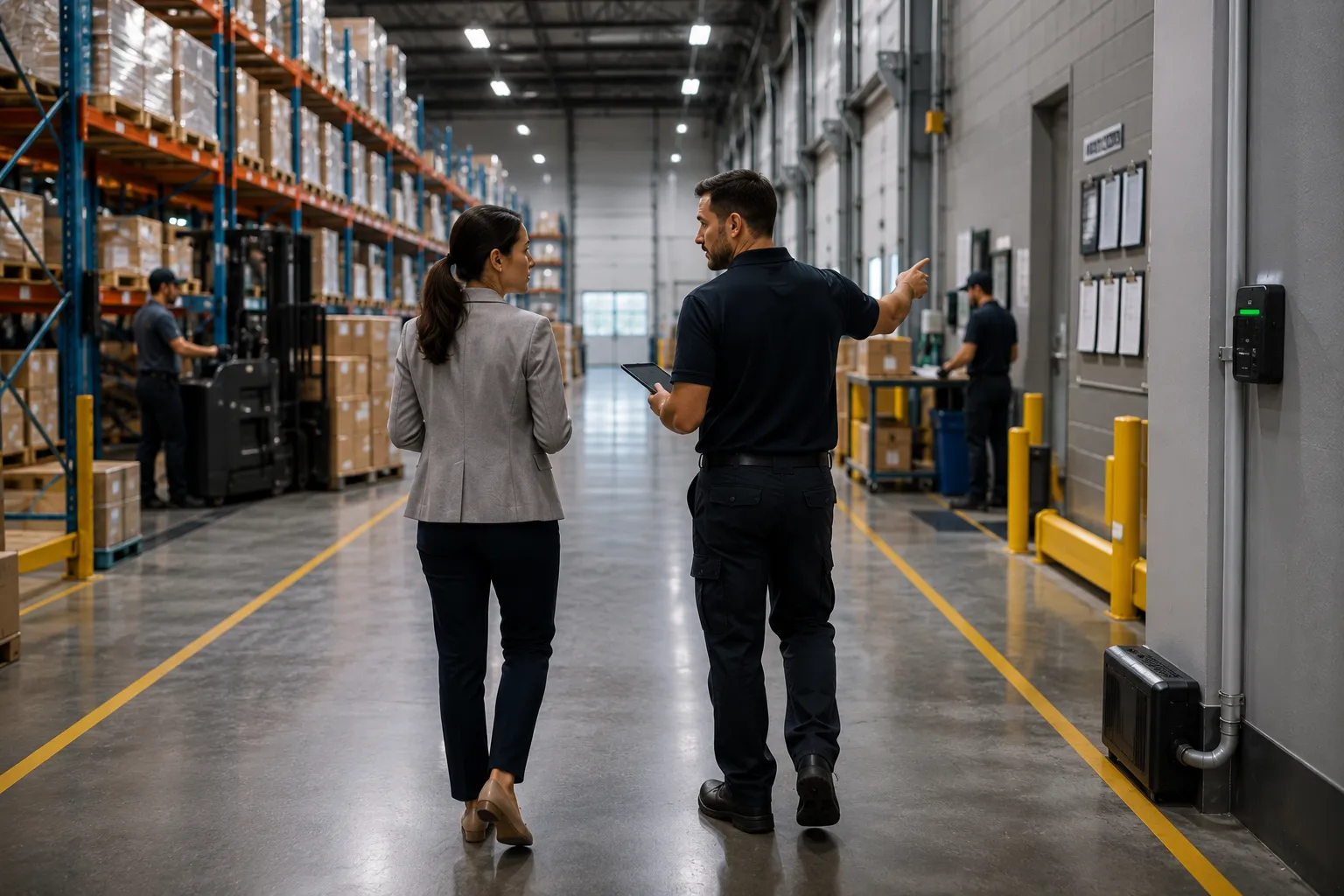
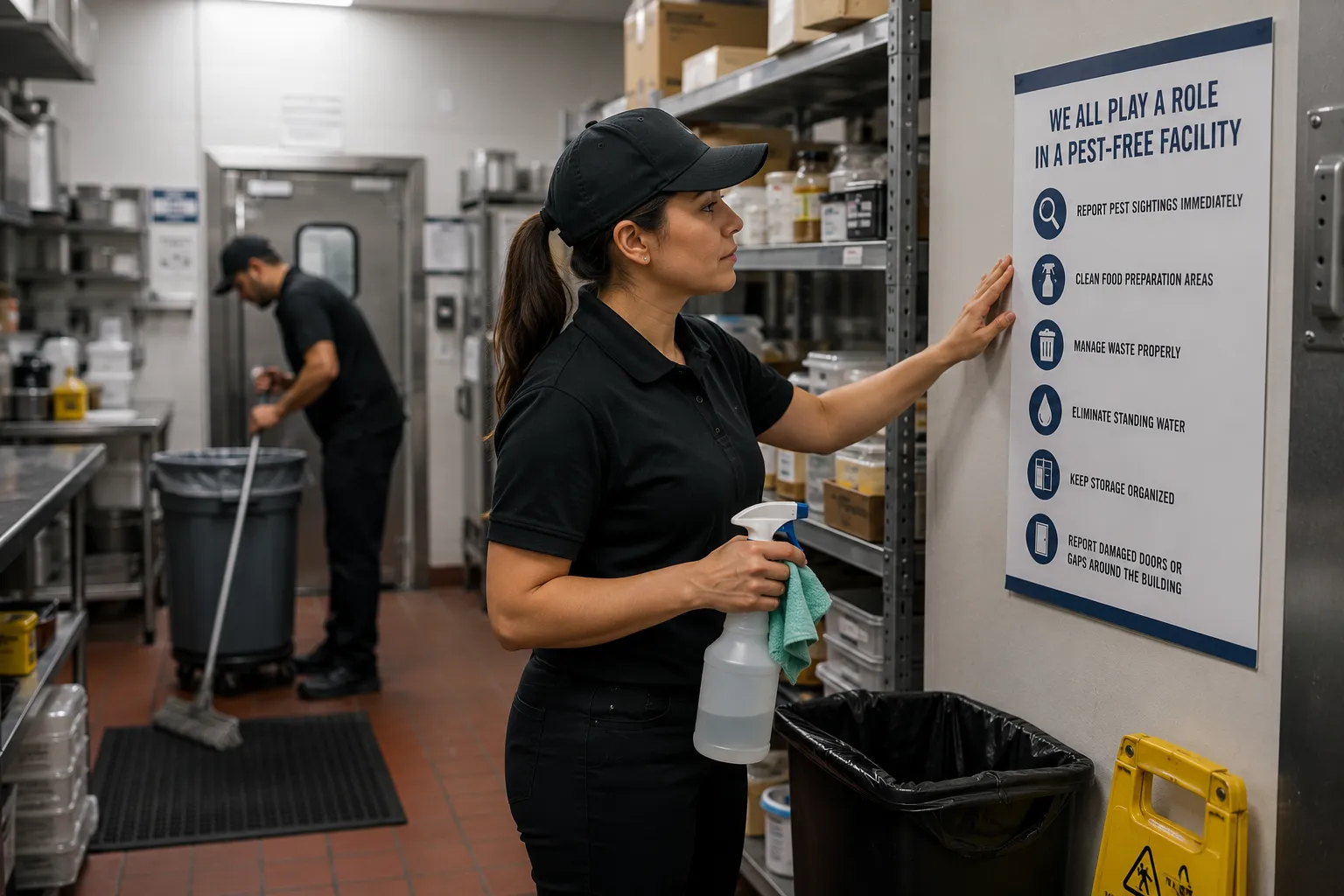
Employees play an important role in preventing pest activity.
Simple practices include:
- Reporting pest sightings immediately
- Cleaning food preparation areas
- Managing waste properly
- Eliminating standing water
- Keeping storage organized
- Reporting damaged doors or gaps around the building
These small actions support the effectiveness of a commercial pest management program.
Why Choosing a Commercial Pest Control Provider Matters
Commercial pest management requires experience that goes beyond treating individual pest problems.
A knowledgeable provider understands:
- Industry-specific regulations
- Seasonal pest activity
- Building construction
- Preventative strategies
- Business operations
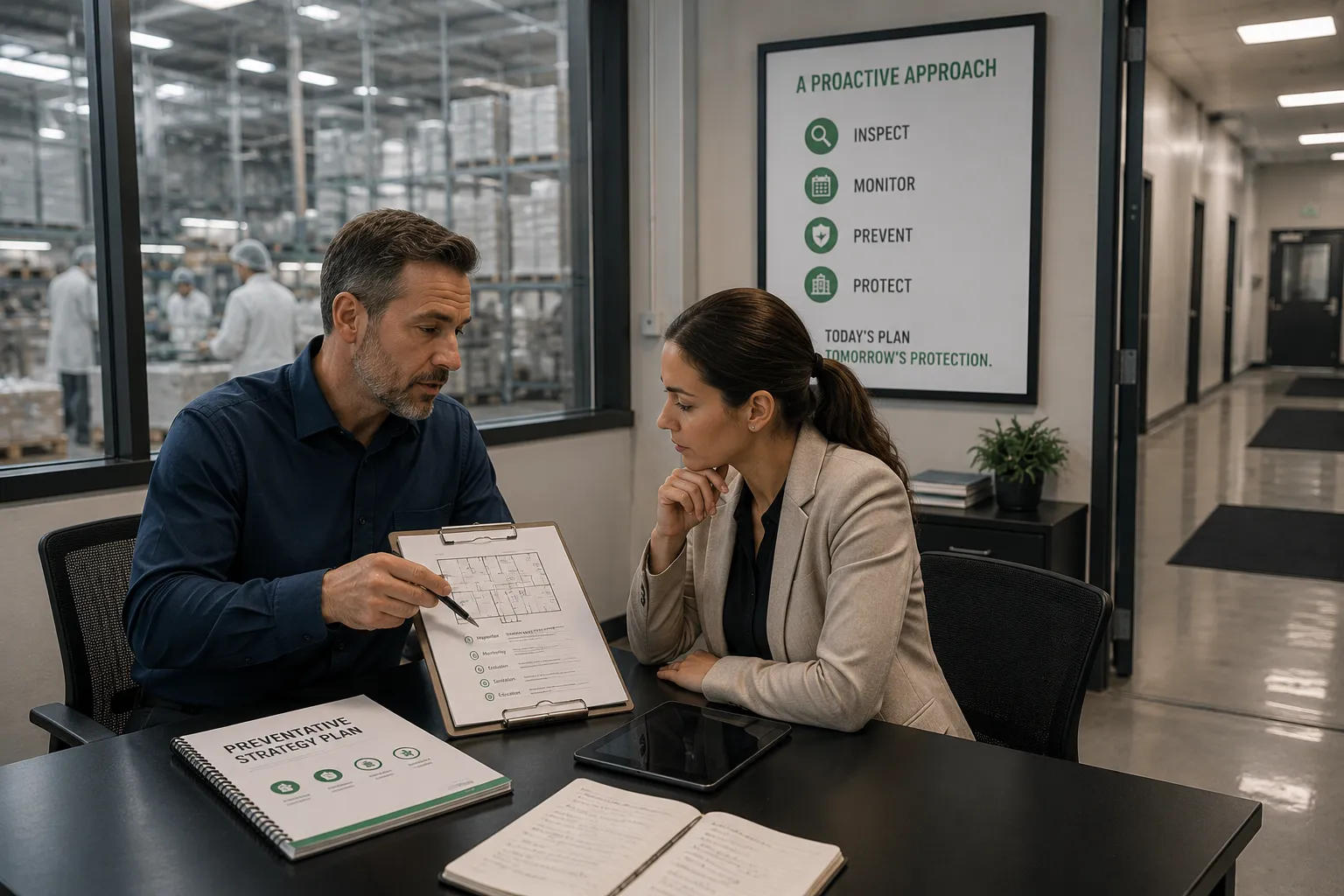
The goal isn’t simply eliminating today’s pests.
It’s helping prevent tomorrow’s infestation.
Protect Your Business With a Proactive Pest Management Plan
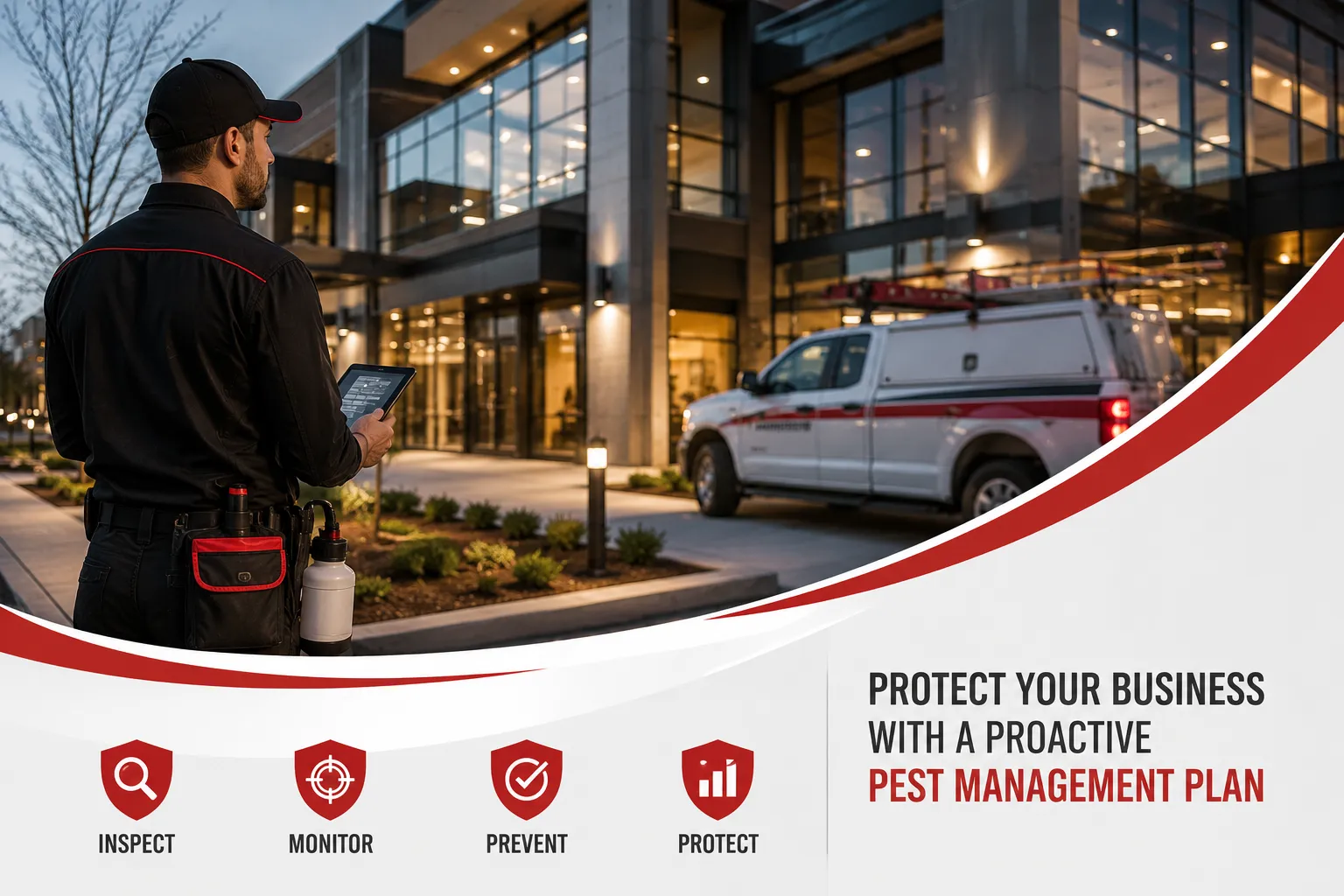
Whether you operate a restaurant, office building, apartment community, warehouse, healthcare facility, manufacturing plant, or retail business, a proactive commercial pest management program helps reduce risk while protecting your employees, customers, and reputation.
Learn more about Dr. Pest’s commercial pest control services by visiting:
Conclusion
Although residential and commercial pest control share the same ultimate goal—eliminating pests—the approach is very different.
Commercial facilities require customized treatment plans, ongoing inspections, detailed documentation, and proactive prevention strategies designed to support business operations.
By understanding these differences and investing in routine commercial pest management, businesses can reduce costly interruptions and create a healthier environment for employees and customers alike.

FAQ: Commercial vs. Residential Pest Control
1. What is the difference between commercial and residential pest control?
Commercial pest control focuses on protecting businesses through ongoing monitoring, customized treatment plans, documentation, and preventative strategies, while residential pest control is designed to protect individual homes.
2. Why do businesses need specialized pest control?
Commercial buildings are larger, more complex, and often face greater pest pressure due to food, shipping, inventory, and higher occupancy.
3. What industries benefit from commercial pest management?
Restaurants, offices, warehouses, retail stores, healthcare facilities, apartment communities, schools, manufacturing plants, and hotels all benefit from specialized commercial service.
4. Is commercial pest control more frequent than residential service?
Often, yes. Many businesses require more frequent inspections and treatments based on their operations and industry requirements.
5. What is Integrated Pest Management (IPM)?
IPM is a preventative strategy that combines inspection, monitoring, sanitation, exclusion, and targeted treatments to reduce pest activity.
6. Do commercial pest control companies provide documentation?
Yes. Service reports, inspection findings, and recommendations are common components of commercial pest management.
7. Why are loading docks common pest entry points?
Frequent deliveries and open doors create opportunities for rodents and insects to enter buildings.
8. Can office buildings have pest problems?
Yes. Offices commonly experience ants, rodents, spiders, and occasional cockroach activity.
9. Why is prevention emphasized in commercial pest control?
Preventing infestations helps businesses avoid downtime, customer complaints, and costly disruptions.
10. Can employees help prevent pest problems?
Absolutely. Good sanitation, reporting sightings, and maintaining clean work areas all contribute to successful pest prevention.
11. What pests are common in warehouses?
Rodents, birds, stored-product pests, and occasional insects are common concerns.
12. Why do restaurants require specialized pest management?
Food preparation and storage areas create unique pest pressures and regulatory requirements.
13. Are commercial treatments customized?
Yes. Every facility receives recommendations based on its industry, building design, and pest risks.
14. Can commercial pest problems affect inspections?
Yes. Pest activity can create issues during health or regulatory inspections.
15. Is one-time treatment enough for a business?
In most cases, ongoing service provides significantly better long-term protection.
16. How often should businesses be inspected?
The ideal schedule depends on the industry, facility size, and pest pressure.
17. Can pest problems hurt a company’s reputation?
Yes. Customer sightings and online reviews can have lasting impacts on a business.
18. Why are commercial buildings more attractive to pests?
Food, water, shelter, deliveries, and higher occupancy create favorable conditions.
19. Does commercial pest control reduce long-term costs?
Preventing infestations is often more cost-effective than responding to major pest problems.
20. Where can I learn more about commercial pest management?
Visit https://doctorpest.net/ to learn more about customized commercial pest control solutions.
Leave a Reply